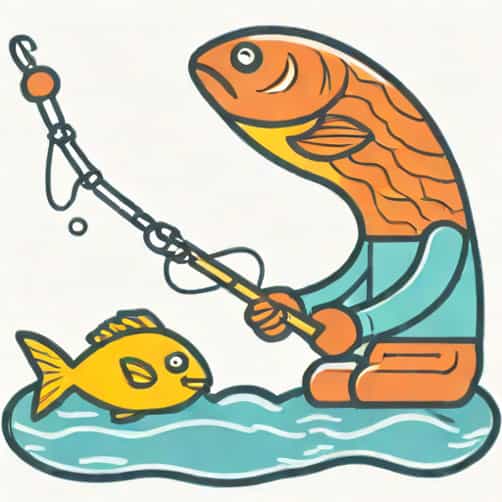
Fishing is a popular recreational activity enjoyed by millions around the world, providing relaxation, connection to nature, and the thrill of catching fish. However, beyond the enjoyment for humans, questions have arisen about the impact of fishing on the fish themselves. Many anglers and scientists have begun to explore whether fishing causes trauma to fish, both physically and psychologically. Understanding the effects of fishing on fish is important for ethical angling, conservation practices, and the development of responsible fishing methods. While fish do not experience trauma in the same way humans do, there is evidence that the process of being caught can induce stress, injury, and behavioral changes that may affect their survival and wellbeing.
Physical Trauma from Fishing
The most obvious form of trauma fish can experience during fishing is physical injury. Fish are caught using hooks, nets, or other equipment that can cause damage to their mouth, gills, or body. The severity of physical trauma depends on several factors including the type of fishing gear used, the size of the fish, and the skill of the angler.
Hook Injuries
Hooks are the primary tool for catching fish, but they can cause significant injury. Fish may suffer from torn lips, damaged mouths, or punctured gills when being hooked. Barbed hooks, in particular, can increase the severity of these injuries and may lead to infection or impaired feeding if the fish is released.
Handling and Release Stress
Even if a fish is caught and released without serious injury, handling can still cause harm. Fish have a protective slime coating that helps prevent infection and supports respiration. Improper handling can remove this coating, increasing susceptibility to disease. Additionally, prolonged exposure to air during release can cause physiological stress and impair the fish’s ability to recover.
Physiological Stress and Its Effects
Beyond physical injuries, fishing can induce physiological stress in fish. Stress responses in fish are triggered by a combination of capture, handling, and environmental changes. These responses involve elevated levels of stress hormones such as cortisol, which can affect the fish’s immune system, metabolism, and overall health.
Short-Term Effects
Immediately after being caught, fish may experience rapid breathing, increased heart rate, and exhaustion. These short-term effects can reduce their ability to escape predators and compete for food. In some cases, fish may die shortly after release due to stress-induced complications, even without severe physical injuries.
Long-Term Consequences
Repeated exposure to fishing stress or improper handling can have long-term consequences for fish populations. Chronic stress can lead to slower growth, reduced reproductive success, and weakened immunity. These effects may not be immediately visible but can impact the health and survival of fish over time, influencing overall ecosystem balance.
Behavioral Changes Due to Fishing
Fishing can also alter the behavior of fish in their natural environment. Studies suggest that fish that survive capture may become more cautious or avoid areas where they were previously caught. This behavioral adaptation can affect feeding patterns, migration routes, and social interactions within schools of fish.
Predator Awareness
Fish that have been caught may exhibit heightened alertness or avoid certain types of bait, indicating learned avoidance. This response is a natural survival mechanism but can change the dynamics of their interactions with predators and prey in the ecosystem.
Impact on Population Dynamics
Behavioral changes caused by fishing can also affect population dynamics. Fish that avoid popular fishing areas may concentrate in less optimal habitats, potentially reducing growth rates or increasing competition for resources. These shifts can have ripple effects on the wider aquatic environment, demonstrating that fishing has both direct and indirect consequences.
Ethical Considerations in Fishing
Understanding the potential trauma that fishing can cause has led to discussions about ethical angling practices. Many conservationists and responsible anglers advocate for methods that minimize harm, such as using barbless hooks, reducing handling time, and practicing catch-and-release with proper techniques. Ethical fishing considers not only human enjoyment but also the wellbeing of the fish and the sustainability of fish populations.
Catch-and-Release Techniques
Effective catch-and-release techniques are essential to reducing stress and trauma. These include
- Using wet hands or gloves when handling fish to protect their slime coating.
- Minimizing the time fish are out of the water.
- Supporting the fish’s body properly during release to avoid internal injury.
- Choosing appropriate fishing gear that reduces deep hooking.
Fishing Regulations and Conservation
Fishing regulations are often designed to protect fish populations and minimize harm. Size limits, seasonal restrictions, and catch quotas help ensure that fish have the opportunity to reproduce and maintain healthy populations. By adhering to these regulations, anglers can enjoy their sport while supporting sustainable practices and reducing the overall impact on fish.
Scientific Research on Fish Trauma
Research on the effects of fishing on fish has grown in recent years, with scientists studying both physiological and behavioral responses. Studies have shown that even short encounters with fishing gear can trigger stress responses, while proper handling and quick release can greatly reduce negative outcomes. Ongoing research aims to refine best practices for ethical fishing and enhance our understanding of how human activities affect aquatic life.
Findings and Recommendations
Key findings from research include
- Barbless hooks and careful handling significantly reduce injury and stress.
- Extended air exposure is one of the main contributors to post-release mortality.
- Fish species vary in their susceptibility to stress and injury, with some more resilient than others.
- Education and awareness among anglers are crucial to minimizing trauma.
fishing can traumatize fish to some extent, primarily through physical injury, physiological stress, and behavioral changes. While fish do not experience trauma in the same emotional sense as humans, the effects of being caught can impact their health, survival, and behavior. Ethical fishing practices, proper handling techniques, and adherence to regulations are essential for minimizing these effects. By understanding the potential impacts and adopting responsible methods, anglers can enjoy the sport of fishing while promoting the welfare of fish and supporting sustainable aquatic ecosystems. Awareness, care, and education are key to ensuring that fishing remains an activity that balances human enjoyment with ecological responsibility.