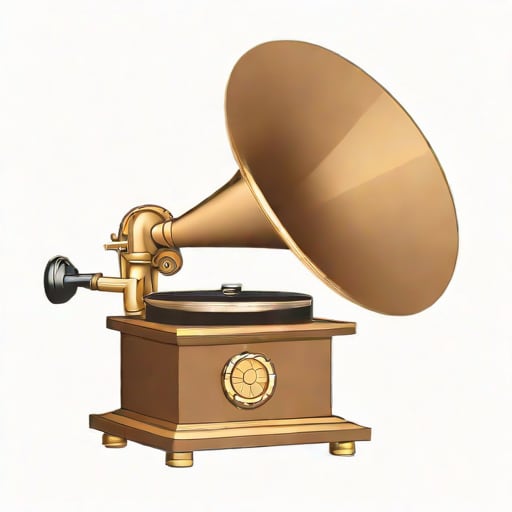
The phonograph and gramophone are two historic inventions that revolutionized the way people experienced music and sound in the late 19th and early 20th centuries. While they are often confused or used interchangeably in casual conversation, there are important differences between the two devices, ranging from their mechanisms to the types of records they play. Understanding the distinction between the phonograph and gramophone not only provides insight into the evolution of recorded sound technology but also highlights the ingenuity of inventors who shaped the music industry and home entertainment.
Origins and Invention of the Phonograph
The phonograph was invented by Thomas Edison in 1877 and represents one of the earliest successful methods of recording and reproducing sound. Edison’s phonograph used a cylindrical recording medium covered in tinfoil or wax. Sound vibrations were captured through a diaphragm and stylus, which etched grooves into the cylinder as the user spoke or played music. When replayed, the stylus retraced the grooves, vibrating the diaphragm to reproduce the recorded sound. The phonograph was groundbreaking because it allowed voices and music to be preserved and played back for the first time in human history.
Key Features of the Phonograph
- Uses cylindrical records as the recording medium.
- Initial recordings were etched into tinfoil and later wax cylinders.
- Sound reproduction is mechanical, relying on the stylus and diaphragm.
- Primarily used for voice recordings initially, later adapted for music.
The phonograph became popular for personal entertainment and business purposes, such as dictation and music preservation, but the technology had limitations in durability and recording length, which later prompted improvements and innovations.
Origins and Invention of the Gramophone
The gramophone was invented by Emile Berliner in the 1880s and introduced a different approach to sound recording and playback. Instead of using cylinders, the gramophone employed flat discs or records, which proved to be more practical and easier to manufacture. The disc’s grooves encoded sound in a spiral pattern, allowing for more efficient playback and mass production. Berliner’s gramophone quickly gained popularity for its improved sound quality, convenience, and compatibility with standard discs that could be reproduced in large quantities.
Key Features of the Gramophone
- Uses flat discs or records instead of cylinders.
- Grooves are engraved in a spiral pattern on the record surface.
- Sound reproduction is mechanical, similar to the phonograph but adapted for discs.
- Facilitates mass production of recordings and easier storage.
The gramophone became the dominant format for recorded music, leading to the development of modern records and the eventual rise of the music industry as a commercial enterprise. Its design was more user-friendly and durable compared to early phonographs, making it accessible to a wider audience.
Main Differences Between Phonograph and Gramophone
While both devices share the goal of recording and reproducing sound, there are several notable differences between phonographs and gramophones. These differences can be categorized into their recording mediums, playback mechanisms, historical development, and influence on the music industry.
Recording Medium
The most obvious difference lies in the recording medium. Phonographs use cylindrical records, which can be cumbersome to store and produce. In contrast, gramophones use flat discs, which are easier to mass-produce and handle. This shift from cylinders to discs represented a major technological advancement that enabled the widespread distribution of recorded music.
Playback Mechanism
Both devices rely on a mechanical process for playback, but the design of the stylus and diaphragm differs due to the shape of the medium. Phonographs trace grooves on cylinders, while gramophones trace spiral grooves on flat discs. The gramophone’s mechanism allows for greater consistency in playback and reduces wear on the recording, enhancing sound quality over repeated use.
Historical Development and Popularity
The phonograph was the first successful sound recording device, but it had limitations that restricted its commercial potential. Cylinders were fragile and difficult to reproduce in large quantities. The gramophone, however, enabled mass production of discs and became the preferred format for the music industry. By the early 20th century, gramophones largely replaced phonographs in homes and commercial use, shaping the modern music distribution model.
Impact on Music and Culture
Phonographs introduced the concept of recorded sound and personal music listening, allowing people to enjoy music at home for the first time. Gramophones built on this foundation by making recorded music more accessible and affordable, facilitating the growth of radio, record stores, and music labels. The transition from phonograph to gramophone illustrates the technological and cultural shift that set the stage for contemporary music consumption.
Similarities Between Phonograph and Gramophone
Despite their differences, phonographs and gramophones share several similarities that are important to recognize. Both rely on mechanical reproduction of sound, use a stylus to read grooves, and serve the same fundamental purpose of capturing and playing back audio. Additionally, both devices were instrumental in transforming how people experience music, paving the way for future audio innovations.
Technological Influence
- Both devices inspired subsequent developments in audio recording and playback.
- The mechanical principles of the phonograph and gramophone informed the design of modern turntables, record players, and even digital recording interfaces.
- They played a crucial role in the rise of the entertainment and music industries.
the phonograph and gramophone, while related, are distinct inventions that each contributed uniquely to the history of recorded sound. The phonograph, with its cylindrical recordings, introduced the world to the concept of sound preservation and playback. The gramophone, with its flat disc design, revolutionized the industry by making recordings easier to reproduce, store, and distribute. Understanding the differences between these devices provides insight into the technological and cultural evolution of music consumption. Today, collectors and historians continue to study phonographs and gramophones, appreciating their role in shaping modern audio technology and the way people enjoy music worldwide.