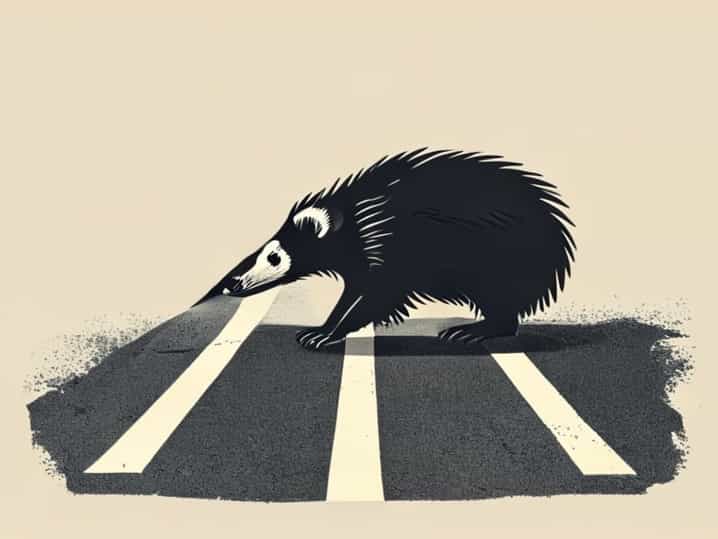
Encountering a dead skunk in the middle of the road is an unpleasant but surprisingly common experience in rural and suburban areas. Skunks are nocturnal animals that often cross roads at night, and unfortunately, their slow movements make them vulnerable to vehicles. The sight, smell, and potential health risks associated with a roadkill skunk can be distressing for drivers and passersby. Understanding how to handle this situation safely, why it happens, and its environmental impact can help people respond responsibly while reducing hazards for themselves and others.
Why Skunks End Up on Roads
Skunks are small mammals with limited awareness of human traffic. Their nocturnal habits make them particularly vulnerable to collisions with vehicles, especially in areas where roads cut through forests, fields, or suburban neighborhoods. Some common reasons skunks end up on roads include
- Foraging for FoodSkunks search for insects, small rodents, and plants, which often brings them across roads in search of nourishment.
- Mating SeasonDuring certain times of the year, skunks are more active and travel longer distances, increasing the chance of road crossings.
- Habitat LossExpansion of urban and suburban areas reduces their natural habitat, forcing skunks to cross roads more frequently.
- Nighttime MovementBeing nocturnal, skunks are difficult for drivers to spot, leading to accidental collisions.
The Hazards of a Dead Skunk in the Road
A dead skunk in the middle of the road presents several hazards for humans and animals alike. Beyond being an unpleasant sight and smell, it can create safety issues for drivers. Motorists may swerve to avoid hitting the carcass, potentially causing accidents. Additionally, scavengers such as raccoons, birds, or other animals may approach the road to feed, increasing the risk of further collisions.
Health Risks
Dead skunks can pose health risks due to bacteria, parasites, or diseases they might carry, such as rabies. While the likelihood of transmission through casual contact is low, touching or handling a skunk without proper precautions can be dangerous. Wearing gloves and avoiding direct contact is recommended if removal is necessary.
Dealing with a Roadkill Skunk Safely
Proper handling of a dead skunk requires caution to avoid injury or exposure to disease. Here are some recommended steps
- Do Not Touch With Bare HandsAlways use gloves or a shovel when dealing with a dead animal.
- Move it Off the RoadIf possible, carefully move the carcass to the side of the road to prevent accidents.
- Dispose of SafelyContact local animal control or follow municipal guidelines for disposing of roadkill safely.
- Clean UpDisinfect any tools or surfaces that came in contact with the skunk to prevent contamination.
Preventive Measures for Drivers
Preventing collisions with skunks involves awareness and cautious driving, particularly in areas where wildlife is common. Drivers can reduce risk by
- Reducing speed in areas marked for wildlife crossings.
- Being vigilant at dawn and dusk when skunks are most active.
- Using high beams on empty roads to spot animals earlier.
- Avoiding sudden swerving, which can lead to accidents.
Environmental Perspective
While seeing a dead skunk may be unpleasant, roadkill plays a role in the ecosystem. Carcasses provide food for scavengers like crows, vultures, and other wildlife. In this way, even an unfortunate event like a skunk being hit by a car contributes to the food chain. However, the increasing frequency of roadkill due to expanding roads can negatively impact local wildlife populations and biodiversity.
Skunk Behavior and Road Awareness
Skunks are generally slow-moving and have poor vision, relying mostly on their sense of smell and hearing. This makes them particularly vulnerable on roads, especially when vehicles approach quickly. Understanding skunk behavior can help communities develop strategies such as wildlife crossings or road signs to reduce roadkill incidents.
Community Responsibility and Road Safety
Handling dead skunks responsibly is not just a personal concern but a community issue. Local authorities often encourage reporting roadkill so it can be removed safely. Community awareness campaigns can educate residents about wildlife behavior, road safety, and disease prevention. This combined effort helps protect both humans and animals while maintaining a safer environment on roads.
- Report to Local AuthoritiesSome municipalities have hotlines or apps to report roadkill for safe removal.
- Educate ChildrenTeaching children to avoid touching dead animals reduces the risk of disease transmission.
- Support Wildlife-Friendly MeasuresEncourage the installation of wildlife corridors or underpasses in high-traffic areas.
Dealing With the Smell
The odor from a dead skunk can be particularly strong and unpleasant. Even after removal, lingering smell may remain if fluids seep into asphalt or soil. Household tips for neutralizing odors near roads include the use of baking soda, vinegar, or commercial odor-neutralizing products, though professional cleanup is usually recommended for heavily trafficked roads. Understanding that the smell is natural and temporary can help people respond calmly rather than with panic or disgust.
Psychological Effects
Encountering a dead skunk can also be distressing for some individuals. The sight of roadkill may evoke sadness, discomfort, or even fear of disease. Accepting this as a normal part of interacting with nature and developing coping strategies, such as focusing on safety measures and responsible removal, can alleviate emotional stress.
Encountering a dead skunk in the middle of the road is an unpleasant reality that blends issues of road safety, wildlife behavior, and community responsibility. While it may be shocking or smelly, understanding the reasons skunks are vulnerable to vehicles, recognizing the associated hazards, and knowing how to handle the situation safely are crucial. Drivers can minimize accidents by being alert, reducing speed, and avoiding sudden maneuvers. Communities can benefit from reporting roadkill, implementing wildlife-friendly measures, and educating the public about safe practices. Ultimately, handling a dead skunk responsibly protects both humans and the environment while reminding us of the delicate balance between human activity and wildlife ecosystems.