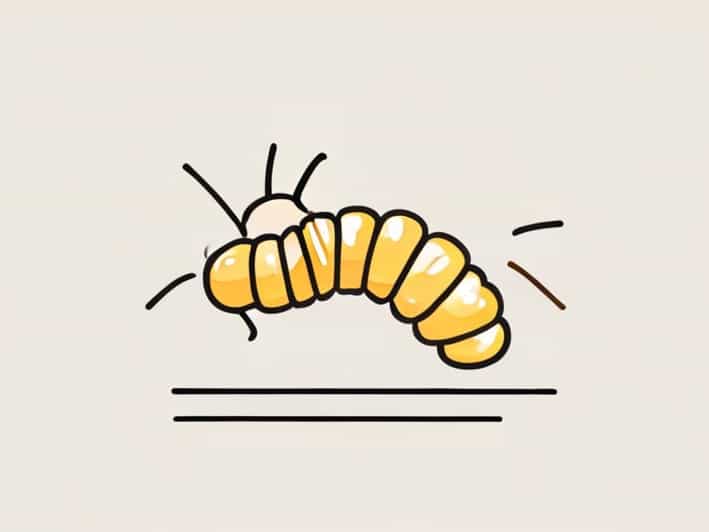
The commercial rearing of silkworm is called sericulture, and it represents one of the oldest agro-based industries in human history. This practice combines agriculture, biology, and craftsmanship to produce silk, a natural fiber valued for its softness, strength, and shine. For centuries, sericulture has supported rural livelihoods, encouraged cottage industries, and contributed to international trade. Even today, it remains an important economic activity in many countries, blending traditional knowledge with modern scientific methods.
Understanding the Meaning of Sericulture
Sericulture is the scientific and commercial process of rearing silkworms for silk production. The word itself comes from the Latin term sericum, meaning silk, and culture, meaning cultivation. When people ask, the commercial rearing of silkworm is called what, the precise and widely accepted answer is sericulture.
This field does not focus only on silkworms. It also includes the cultivation of mulberry plants, which serve as the primary food source for silkworms. Together, mulberry cultivation and silkworm rearing form the backbone of the silk industry.
Historical Background of Sericulture
Sericulture has a long and fascinating history. It is believed to have originated in ancient China over 4,000 years ago. According to traditional accounts, silk production was once a closely guarded secret, as silk fabric was highly prized and traded along early commercial routes.
Over time, the knowledge of sericulture spread to other regions of Asia, including India, Japan, and Korea. Eventually, it reached parts of Europe and other continents. The spread of sericulture significantly influenced cultural exchange, trade, and economic development.
The Silkworm and Its Life Cycle
At the heart of sericulture is the silkworm, scientifically known as Bombyx mori. The silkworm is a domesticated insect that depends entirely on humans for survival in commercial settings.
Stages of the Silkworm Life Cycle
- Egg stage Female moths lay hundreds of tiny eggs.
- Larval stage Eggs hatch into larvae, commonly called silkworms.
- Pupal stage The silkworm spins a cocoon and transforms into a pupa.
- Adult stage A moth emerges from the cocoon to reproduce.
The larval stage is the most important in sericulture, as this is when the silkworm consumes large amounts of mulberry leaves and produces silk fiber.
Why Mulberry Cultivation Is Essential
Mulberry leaves are the exclusive diet of Bombyx mori. Therefore, mulberry cultivation is an integral part of the commercial rearing of silkworm. Healthy mulberry plants ensure healthy silkworms and high-quality silk.
Farmers carefully manage soil, irrigation, and pruning to produce nutritious leaves. The quality of mulberry leaves directly affects the growth rate of silkworms and the strength of the silk they produce.
Steps Involved in Commercial Sericulture
Sericulture involves a series of well-defined steps that require precision and care. Each step contributes to the final quality of silk.
Egg Production and Incubation
The process begins with the selection of healthy silkworm eggs. These eggs are incubated under controlled temperature and humidity until they hatch.
Rearing of Silkworm Larvae
Newly hatched larvae are fed fresh mulberry leaves several times a day. Cleanliness and proper ventilation are crucial during this stage to prevent diseases.
Cocoon Formation
After several weeks of feeding, silkworms stop eating and begin spinning cocoons. Each cocoon consists of a single long silk filament.
Harvesting and Processing
Cocoons are harvested before the moth emerges. They are then processed to extract silk threads, which are spun into yarn and woven into fabric.
Economic Importance of Sericulture
The commercial rearing of silkworm, or sericulture, plays a significant role in rural economies. It provides employment opportunities to farmers, laborers, and artisans, especially in developing regions.
Sericulture is considered a low-investment, high-return activity. It can be practiced on small landholdings and offers regular income throughout the year. This makes it particularly valuable for small-scale farmers.
Sericulture as a Sustainable Industry
Sericulture is often described as an eco-friendly and sustainable industry. Silk is a natural, biodegradable fiber, unlike many synthetic alternatives. Mulberry plants help improve soil quality and prevent erosion.
Additionally, waste products from sericulture, such as pupae, are used as animal feed or organic fertilizer, reducing overall waste.
Challenges in Commercial Silkworm Rearing
Despite its benefits, sericulture faces several challenges. Diseases affecting silkworms can cause significant losses if not managed properly. Environmental factors such as temperature fluctuations and humidity also influence productivity.
Market competition from synthetic fibers and fluctuating silk prices can affect the income of sericulture farmers. Addressing these challenges requires training, research, and government support.
Modern Developments in Sericulture
Advancements in science and technology have improved the efficiency of sericulture. Improved silkworm breeds, better disease management techniques, and advanced rearing houses have increased silk yield and quality.
Research institutions continue to explore ways to make the commercial rearing of silkworm more resilient, profitable, and accessible to farmers.
Global Significance of Silk Production
Silk remains a luxury textile with strong demand worldwide. Countries that invest in sericulture benefit from export opportunities and cultural recognition. Traditional silk fabrics are often associated with heritage, craftsmanship, and elegance.
The global silk industry relies heavily on the successful practice of sericulture, highlighting the importance of this age-old occupation.
Educational and Cultural Value
Beyond economics, sericulture has educational value. It is often taught in biology and agriculture courses to explain insect life cycles, sustainable farming, and rural industries.
Culturally, silk production has influenced art, fashion, and rituals in many societies. The story of silk is closely tied to human creativity and innovation.
The commercial rearing of silkworm is called sericulture, and it stands as a remarkable example of how humans have learned to work with nature for economic and cultural benefit. From ancient traditions to modern industries, sericulture continues to play a vital role in livelihoods and global trade. Its combination of science, skill, and sustainability ensures that it remains relevant in today’s world, while also preserving a rich heritage passed down through generations.