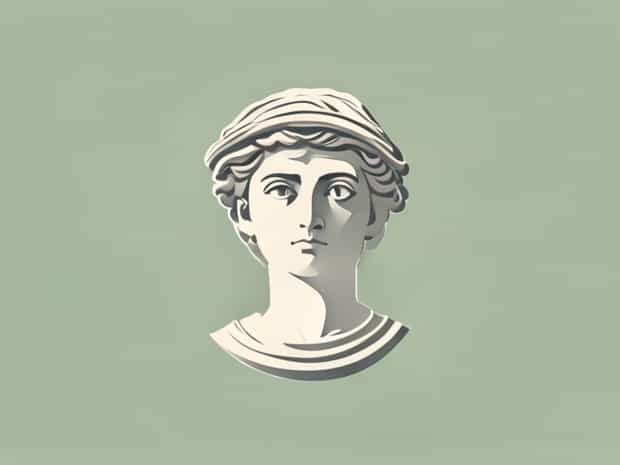
Neoclassicism art emerged in the mid-18th century as a reaction against the ornate and elaborate styles of Baroque and Rococo, embracing a return to the simplicity, harmony, and proportion of classical antiquity. This artistic movement drew inspiration from the art and architecture of ancient Greece and Rome, emphasizing order, rationality, and moral virtue. Neoclassicism reflected broader cultural trends of the Enlightenment, where reason, logic, and civic responsibility were highly valued. The characteristics of Neoclassicism art are evident in painting, sculpture, and architecture, with artists striving to achieve clarity, balance, and a sense of timeless elegance.
Historical Context of Neoclassicism
Neoclassicism developed during a period of intellectual and social transformation. The Enlightenment encouraged a renewed interest in classical learning, archaeology, and history, leading artists and patrons to favor art that embodied the virtues and ideals of ancient civilizations. This movement also coincided with political upheavals, including the American and French revolutions, where themes of heroism, citizenship, and moral responsibility became prominent. As a result, Neoclassical art often served both aesthetic and didactic purposes, aiming to educate and inspire viewers through depictions of noble deeds and historical events.
Key Characteristics of Neoclassicism Art
Several defining features distinguish Neoclassicism from other artistic movements. These characteristics are consistently present across different mediums, reflecting the movement’s focus on clarity, discipline, and classical inspiration.
1. Emphasis on Classical Antiquity
Neoclassical art draws heavily from Greek and Roman models. Artists studied ancient sculptures, ruins, and classical texts to replicate the balance and proportion seen in antiquity. This classical influence is evident in the use of idealized figures, symmetrical compositions, and references to mythological and historical themes. Neoclassical works often portray heroic individuals, moral narratives, and scenes from classical literature, reflecting the admiration for the virtues and aesthetics of ancient civilizations.
2. Clarity and Simplicity
One of the hallmarks of Neoclassicism is its clear and uncluttered visual style. Unlike the dramatic, ornate details of Baroque and Rococo, Neoclassical art emphasizes simple lines, smooth surfaces, and precise contours. Artists avoided excessive decoration, focusing instead on composition and proportion to achieve a sense of harmony. This clarity contributes to the intellectual and moral clarity that Neoclassicism sought to convey.
3. Idealized Figures and Proportions
Neoclassical artists often depicted human figures in idealized forms, inspired by classical sculpture. Musculature, posture, and facial expressions were rendered with careful attention to anatomical accuracy and aesthetic perfection. Figures were typically depicted in calm, balanced poses, exuding dignity and restraint. This idealization reinforced the moral and heroic qualities associated with classical subjects and emphasized the importance of rational control over emotion.
4. Use of Moral and Historical Themes
Neoclassical art frequently explored themes of morality, civic virtue, and heroism. Artists sought to convey ethical messages through depictions of historical events, mythological stories, or legendary figures. Paintings and sculptures often portrayed acts of courage, sacrifice, or patriotism, encouraging viewers to emulate these qualities. This didactic purpose reflects the Enlightenment belief in art as a tool for education and moral improvement.
5. Symmetry and Balanced Composition
Balance and order are central to Neoclassical art. Compositions are carefully structured, often using geometric arrangements to create a harmonious visual effect. Symmetry is employed to organize figures and architectural elements, providing a sense of stability and coherence. This compositional approach mirrors the rational and disciplined values celebrated by the movement, enhancing the viewer’s appreciation of both aesthetic beauty and intellectual order.
Neoclassicism in Different Art Forms
Neoclassicism influenced multiple artistic disciplines, each expressing the movement’s core principles in unique ways.
Painting
Neoclassical painting is characterized by precise drawing, muted colors, and controlled lighting. Artists like Jacques-Louis David and Jean-Auguste-Dominique Ingres depicted historical and mythological subjects with clarity and restraint. David’s Oath of the Horatii exemplifies the moral and patriotic themes of Neoclassicism, presenting a story of duty and sacrifice with a structured, balanced composition and idealized figures.
Sculpture
Neoclassical sculpture focused on clean lines, smooth surfaces, and classical subjects. Sculptors like Antonio Canova created works that celebrated ideal beauty and heroic virtue, drawing inspiration from ancient Greek and Roman statues. Canova’s Psyche Revived by Cupid’s Kiss demonstrates the elegance, harmony, and emotional restraint characteristic of Neoclassical sculpture, combining idealized anatomy with refined composition.
Architecture
Neoclassical architecture revived classical forms such as columns, pediments, and domes. Architects emphasized symmetry, proportion, and simplicity in building designs. Famous examples include the Panthéon in Paris and the White House in Washington, D.C., which reflect the grandeur and rationality of classical architecture while conveying civic pride and permanence. Neoclassical architecture often serves public and governmental functions, reinforcing the association between classical ideals and civic virtue.
Color Palette and Techniques
Neoclassical art often utilizes a restrained color palette to maintain visual clarity and focus. Subdued tones, earthy colors, and controlled contrasts are common, emphasizing form and line over decorative effects. Techniques such as smooth brushwork and fine detailing contribute to the refined and polished appearance of Neoclassical works, enhancing their sense of order and permanence.
Influence and Legacy
Neoclassicism had a lasting impact on the development of Western art. Its emphasis on clarity, harmony, and moral themes influenced later movements such as Romanticism and Academic art. The movement also left a significant mark on education and cultural institutions, as many schools and academies adopted Neoclassical principles in their teachings. Even today, Neoclassical aesthetics continue to inspire contemporary artists, architects, and designers seeking elegance, balance, and timeless appeal.
The characteristics of Neoclassicism art reflect a commitment to classical ideals, rationality, and moral purpose. Through its emphasis on clarity, symmetry, idealized figures, and ethical themes, Neoclassical art represents a profound engagement with the principles of antiquity while addressing the intellectual and cultural concerns of its time. Whether in painting, sculpture, or architecture, Neoclassicism combines aesthetic beauty with moral instruction, leaving a legacy of artistic excellence and enduring influence that continues to resonate in the art world today.