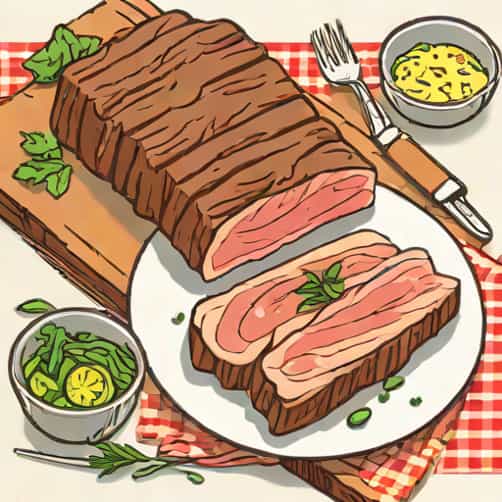
Flank steak is a flavorful and versatile cut of beef that is popular among home cooks and professional chefs alike. Known for its long, lean muscle fibers and rich taste, flank steak can be slightly tough if not prepared correctly, but when cooked using the best methods, it becomes tender, juicy, and full of flavor. Understanding the proper way to cook flank steak is essential to maximize its potential, whether you are grilling, broiling, pan-searing, or marinating. By following the right techniques and paying attention to details such as seasoning, cooking temperature, and slicing, you can transform this cut into a delicious main course that rivals restaurant-quality meals.
Choosing the Right Flank Steak
The first step in preparing flank steak is selecting a high-quality piece of meat. Look for a steak with a bright red color, even marbling, and firm texture. Although flank steak is leaner than some other cuts, a little marbling enhances the flavor and juiciness. Ideally, the steak should be around 1 to 1.5 inches thick, which allows for even cooking without drying out. Buying from a trusted butcher or grocery store ensures freshness and the best taste for your final dish.
Preparation Before Cooking
Proper preparation is crucial for tender and flavorful flank steak. Start by trimming any excess fat or silver skin from the meat. While flank steak can handle bold flavors, marinating it before cooking improves tenderness and enhances taste. A marinade usually includes an acid, such as vinegar or citrus juice, which helps break down muscle fibers, along with oil, herbs, and spices. Common ingredients for marinades include soy sauce, garlic, olive oil, lime juice, and black pepper. Allow the steak to marinate for at least 30 minutes to several hours, depending on the intensity of flavor you want to achieve.
Grilling Flank Steak
Grilling is one of the most popular ways to cook flank steak because it produces a smoky, charred flavor that complements the natural beef taste. Preheat your grill to high heat and lightly oil the grates to prevent sticking. Place the steak on the grill and cook for about 4 to 6 minutes per side for medium-rare, depending on thickness. Avoid overcooking, as flank steak can become tough and dry if cooked beyond medium doneness. Once done, let the steak rest for 5 to 10 minutes before slicing, allowing the juices to redistribute throughout the meat.
Slicing for Maximum Tenderness
Slicing flank steak correctly is essential to ensure tenderness. Always cut against the grain, perpendicular to the lines of muscle fibers. This shortens the fibers, making each bite easier to chew. Aim for thin slices, about 1/4 inch thick, which enhances the steak’s texture and helps it absorb any accompanying sauces or seasonings. Proper slicing is one of the most important steps that can make a simple flank steak taste restaurant-quality.
Pan-Searing and Broiling
If you don’t have access to a grill, pan-searing or broiling flank steak are excellent alternatives. For pan-searing, heat a heavy skillet over medium-high heat and add a small amount of oil. Place the steak in the hot pan and sear each side for 4 to 6 minutes, achieving a golden-brown crust while keeping the interior juicy. For broiling, preheat the oven’s broiler and position the steak on a broiler pan about 4 inches from the heat source. Broil for 4 to 6 minutes per side for medium-rare, watching carefully to prevent burning. Both methods produce a flavorful crust and retain the steak’s tenderness when done correctly.
Adding Flavor with Seasoning and Marinades
While flank steak has natural flavor, adding seasoning or a marinade enhances the taste. Dry rubs with salt, pepper, garlic powder, smoked paprika, or chili powder create a savory crust during cooking. Marinades with soy sauce, Worcestershire sauce, balsamic vinegar, or citrus juice tenderize the meat while infusing flavor. Combining dry seasoning with a brief marinade period can produce layers of flavor that elevate the dish. Remember to pat the steak dry before cooking if using a wet marinade to ensure proper searing.
Resting and Serving Flank Steak
After cooking, resting the flank steak is crucial to maintaining its juiciness. Let the steak rest at room temperature for at least 5 to 10 minutes, covered loosely with foil. This step allows the juices to redistribute within the meat, preventing them from spilling out when sliced. Serve the steak with your choice of sides, such as roasted vegetables, mashed potatoes, or a fresh salad. Flank steak is also excellent in fajitas, stir-fries, or sandwiches, providing a versatile protein option for various meals.
Tips for the Perfect Flank Steak
- Always cook flank steak to medium-rare or medium to avoid toughness.
- Use a meat thermometer to check doneness, aiming for 130°F to 135°F for medium-rare.
- Cut against the grain for maximum tenderness.
- Marinate for at least 30 minutes to tenderize and flavor the meat.
- Let the steak rest after cooking to retain juices.
- Use high heat for quick cooking methods like grilling or pan-searing to achieve a flavorful crust.
Common Mistakes to Avoid
Cooking flank steak can be tricky, and certain mistakes can compromise flavor and texture. Avoid overcooking, which makes the steak chewy and dry. Do not skip marinating or seasoning, as these steps significantly enhance taste. Cutting the steak with the grain instead of against it is a common error that results in tougher bites. Finally, neglecting to let the steak rest after cooking can cause loss of juices, making even a well-seasoned steak less enjoyable.
The best way to cook flank steak combines careful preparation, high-quality meat, proper seasoning, and correct cooking techniques. Whether you choose grilling, pan-searing, or broiling, the key is to maintain medium-rare doneness, rest the meat, and slice against the grain. Marinating enhances flavor and tenderness, while a well-chosen seasoning or dry rub elevates the natural beef taste. By following these steps and avoiding common mistakes, you can enjoy a juicy, flavorful flank steak that is tender and satisfying. With the right approach, flank steak becomes a versatile and delicious choice for any meal, capable of impressing family and friends with its rich flavor and perfect texture.