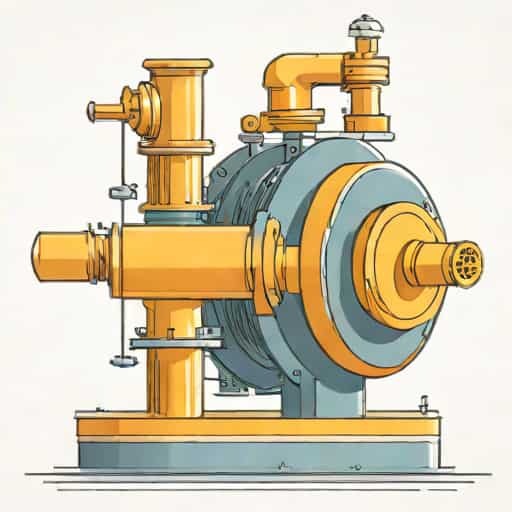
In multistage centrifugal pumps, the balancing drum plays a critical role in ensuring smooth operation, reducing axial thrust, and extending the lifespan of the pump. These pumps are widely used in industrial applications such as water supply, boiler feed, and chemical processing due to their ability to generate high pressures through multiple impeller stages. However, one challenge with multistage centrifugal pumps is the axial thrust generated by the hydraulic forces of the impellers. The balancing drum is specifically designed to counteract this thrust, improving efficiency and reliability. Understanding its function, design considerations, and maintenance requirements is essential for engineers, operators, and maintenance personnel who work with these pumps.
Function of the Balancing Drum in Multistage Centrifugal Pumps
The primary function of a balancing drum is to reduce or eliminate axial thrust caused by the difference in pressure between impellers in a multistage centrifugal pump. Axial thrust occurs when the impellers push the fluid towards the pump discharge, generating a force along the pump shaft. If not properly managed, this thrust can cause excessive wear on the bearings, reduce mechanical efficiency, and potentially lead to pump failure. The balancing drum helps distribute this force more evenly, allowing the pump to operate smoothly under high pressure conditions.
How the Balancing Drum Works
The balancing drum is typically positioned between the last stage impeller and a throttling device or a stationary balance piston. As fluid flows through the pump, some of it is diverted through a balance drum clearance or a balancing line to the suction side. This diversion creates a counteracting force that opposes the axial thrust generated by the impellers. The precise design of the balancing drum, including the clearance, diameter, and length, is critical to achieving the desired thrust reduction. Properly calibrated, it allows the pump to operate without transferring excessive axial load to the bearings.
Design Considerations for Balancing Drums
Designing an effective balancing drum involves several key considerations to ensure optimal performance and durability of the multistage centrifugal pump.
Clearance and Pressure Balance
The clearance between the balancing drum and the stationary components is a crucial factor. Too large a clearance can reduce the effectiveness of thrust balancing, while too small a clearance can cause excessive wear and hydraulic losses. Engineers calculate the optimal clearance based on the pump’s operating pressure, fluid viscosity, and desired thrust reduction. The goal is to create a precise hydraulic counterforce that offsets axial thrust without introducing turbulence or cavitation.
Material Selection
Balancing drums are often made from high-quality stainless steel or other corrosion-resistant alloys. Since they are constantly exposed to high-pressure fluid flow, the material must withstand mechanical stress, erosion, and potential chemical attack. In applications involving abrasive or corrosive fluids, special coatings or hardened surfaces may be applied to extend the drum’s lifespan.
Integration with Pump Stages
The balancing drum must be designed in coordination with the pump’s impeller stages. Its location, size, and flow path are determined based on the number of stages, impeller geometry, and axial thrust calculations. Proper integration ensures that the drum effectively reduces axial thrust across the operating range of the pump while maintaining hydraulic efficiency.
Advantages of Using a Balancing Drum
Incorporating a balancing drum in a multistage centrifugal pump provides several significant benefits
- Reduced Bearing LoadBy counteracting axial thrust, the balancing drum decreases the load on pump bearings, extending their service life and reducing maintenance costs.
- Improved Pump EfficiencyReducing axial thrust ensures smoother operation and less energy loss, enhancing overall pump efficiency.
- Enhanced ReliabilityMinimizing axial load prevents premature wear and mechanical failures, contributing to more reliable operation in industrial settings.
- Extended Shaft LifeWith reduced axial stress, the pump shaft experiences less fatigue, reducing the risk of deformation or failure.
Maintenance of Balancing Drums
Proper maintenance of the balancing drum is essential for ensuring the long-term performance of a multistage centrifugal pump. Regular inspection, cleaning, and monitoring of wear are necessary to maintain the correct clearance and hydraulic performance.
Inspection Procedures
Maintenance personnel should inspect the balancing drum for signs of erosion, corrosion, or excessive wear. Measurement of the drum clearance using precision instruments ensures that the counter-thrust effect remains effective. Any deviation from the design specifications should be addressed promptly to prevent damage to the pump.
Cleaning and Repair
Deposits or debris can accumulate in the balancing drum clearance, affecting its performance. Periodic cleaning using appropriate techniques is essential. In cases of significant wear, resurfacing or replacement of the drum may be necessary. Using original manufacturer specifications ensures that replacement parts maintain proper functionality.
Monitoring Performance
Operators should monitor pump vibrations, bearing temperatures, and axial thrust indicators. Sudden changes in these parameters can indicate issues with the balancing drum or related components. Early detection allows for preventive maintenance, reducing downtime and repair costs.
Applications of Balancing Drums
Balancing drums are commonly used in various industrial applications where multistage centrifugal pumps operate under high pressure. Examples include
- Power GenerationBoiler feed pumps often require balancing drums to manage axial thrust at high flow rates and pressures.
- Water Treatment and SupplyMultistage pumps in municipal water systems use balancing drums to ensure efficient, long-lasting operation.
- Chemical ProcessingPumps handling corrosive or high-pressure chemicals benefit from thrust reduction provided by balancing drums.
- Oil and Gas IndustryHigh-pressure multistage pumps in refineries and pipelines rely on balancing drums for smooth and reliable performance.
The balancing drum is a vital component in multistage centrifugal pumps, designed to manage axial thrust and ensure efficient, reliable operation. By reducing bearing loads, improving hydraulic efficiency, and extending the life of shafts and other components, it contributes to the overall performance and longevity of the pump. Careful design, material selection, and regular maintenance are essential to achieve optimal results. Understanding the role of the balancing drum helps engineers and operators maintain high-performing multistage centrifugal pumps in various industrial applications, from water treatment to power generation and chemical processing.