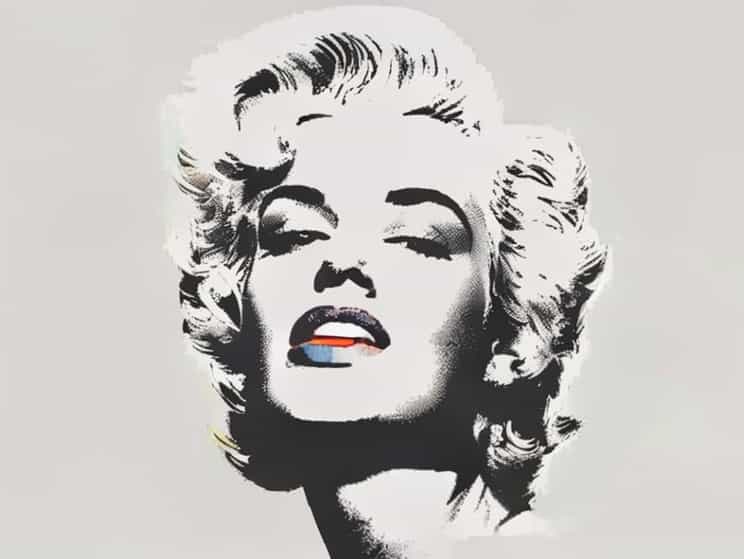
Andy Warhol’s Marilyn Monroe series is one of the most iconic and recognizable works in modern art, blending celebrity culture, commercial techniques, and bold color experimentation. Created in the early 1960s, these artworks transformed a simple publicity photograph into a vibrant, repeated icon that reflected the intersection of fame, consumerism, and tragedy. Warhol’s approach challenged traditional notions of fine art while exploring themes of mortality, mass media, and the cult of celebrity. The Marilyn series continues to captivate audiences worldwide, making it a landmark in pop art history and a defining moment in Warhol’s career.
Background of Andy Warhol and Pop Art
Andy Warhol, born in 1928 in Pittsburgh, Pennsylvania, emerged as a leading figure in the pop art movement, which sought to blur the boundaries between high art and popular culture. Pop art drew inspiration from advertising, comic books, and mass-produced consumer goods. Warhol’s fascination with fame, media, and commercial imagery positioned him uniquely to comment on the rapidly evolving landscape of American culture. The Marilyn Monroe series reflects these influences, combining mass-production techniques with a deeply personal exploration of celebrity and mortality.
The Influence of Marilyn Monroe
Marilyn Monroe was the quintessential Hollywood star of the 1950s and early 1960s, known for her beauty, charm, and vulnerability. Warhol chose her as the subject of his artwork shortly after her death in 1962, which added a layer of poignancy to the series. By selecting Monroe, Warhol captured the public’s fascination with celebrity and the fleeting nature of fame. His works immortalized her image while simultaneously commenting on the commercial exploitation and objectification inherent in Hollywood stardom.
Techniques Used in the Marilyn Series
Warhol’s Marilyn artworks were primarily created using silkscreen printing, a method that allowed him to reproduce the same image multiple times while experimenting with different colors and contrasts. This technique reflected the mass-production ethos of pop art and commercial advertising, emphasizing the mechanical reproduction of images over traditional hand-painted methods. Warhol manipulated the original publicity photograph of Monroe from the film Niagara (1953), transforming it into a vibrant, almost surreal icon.
Color and Composition
- Bold ColorsWarhol used striking, often non-naturalistic colors such as bright pinks, yellows, blues, and greens to create visual impact and emotional intensity.
- RepetitionBy repeating Monroe’s image in grids or multiple panels, Warhol highlighted the idea of mass media saturation and the commodification of celebrity.
- Contrast and VariationEach variation in color and intensity produced a different emotional response, allowing viewers to perceive Monroe’s image in multiple ways.
The deliberate use of garish and contrasting colors transformed Monroe from a real-life icon into a symbol of both glamour and mortality. Warhol’s color choices were not merely decorative; they were essential to conveying the tension between public persona and private tragedy.
The Cultural Impact of Warhol’s Marilyn
Warhol’s Marilyn series had a profound influence on both contemporary art and popular culture. The artworks questioned the traditional hierarchy of art by elevating a mass-media celebrity to the status of fine art. They also highlighted the power of imagery in shaping public perception, particularly the way mass media creates and perpetuates celebrity mythology. Warhol’s approach reflected the growing fascination with fame, consumerism, and the role of media in everyday life.
Artistic Legacy
- Pop Art IconThe Marilyn series solidified Warhol’s position as a leading pop artist, influencing generations of artists who explored celebrity and commercial imagery.
- Commercial and Fine Art IntersectionBy using silkscreen techniques, Warhol bridged the gap between mass-produced images and high art, challenging traditional artistic conventions.
- Enduring PopularityThe series remains widely celebrated in exhibitions and auctions, symbolizing the enduring appeal of both Warhol’s work and Marilyn Monroe’s image.
Interpretations and Symbolism
Warhol’s Marilyn artworks invite multiple interpretations, from critiques of consumer culture to reflections on fame, mortality, and identity. The repetition of Monroe’s image suggests a dehumanization, as if celebrity exists more as a commodity than as an individual. The vibrant colors and mechanical reproduction emphasize the artificiality of Hollywood glamour, while the use of a recently deceased icon introduces a poignant reminder of life’s fragility. Viewers are encouraged to reflect on how society consumes and discards images of fame.
Mortality and Celebrity
Marilyn Monroe’s tragic life and untimely death imbue Warhol’s series with a sense of melancholy beneath its vibrant surface. The artworks confront viewers with the contrast between Monroe’s public image of beauty and the private reality of vulnerability. By reproducing her image endlessly, Warhol reflects on how fame immortalizes individuals yet simultaneously strips away their humanity, turning people into symbols rather than complex beings.
Exhibitions and Public Reception
Since their creation, Warhol’s Marilyn pieces have been featured in major museums and galleries worldwide, attracting both critical acclaim and popular interest. Exhibitions often highlight the tension between Monroe’s glamorous persona and the underlying commentary on mortality, media saturation, and consumer culture. The series resonates across generations, making it a touchstone for discussions about the interplay of art, celebrity, and society.
Notable Exhibitions
- Museum of Modern Art, New York
- Tate Modern, London
- Whitney Museum of American Art, New York
- Art Institute of Chicago
The continued display and study of Warhol’s Marilyn works reinforce their significance in art history and popular culture. They serve as an enduring reminder of Warhol’s vision and his ability to transform the familiar into profound statements about contemporary life.
Andy Warhol’s Marilyn Monroe series represents a pivotal moment in 20th-century art, blending commercial techniques with cultural commentary to create works that are visually striking and conceptually rich. The use of silkscreen printing, bold colors, and repetition transformed Monroe into a symbol that critiques fame, mortality, and the pervasive influence of media. The series continues to captivate audiences and inspire artists, solidifying its place as a cornerstone of pop art. Through these works, Warhol invites viewers to consider the complex relationship between celebrity, society, and the enduring power of imagery, ensuring that both Marilyn Monroe and Warhol’s artistic vision remain immortal in the collective imagination.
In essence, the Marilyn series is more than just a portrait; it is a cultural commentary, a celebration of pop art, and a meditation on the fleeting nature of life and fame. Andy Warhol’s innovative approach transformed a simple photograph into a multi-layered work of art that continues to resonate with audiences around the world, demonstrating the timeless impact of both the artist and his iconic muse.