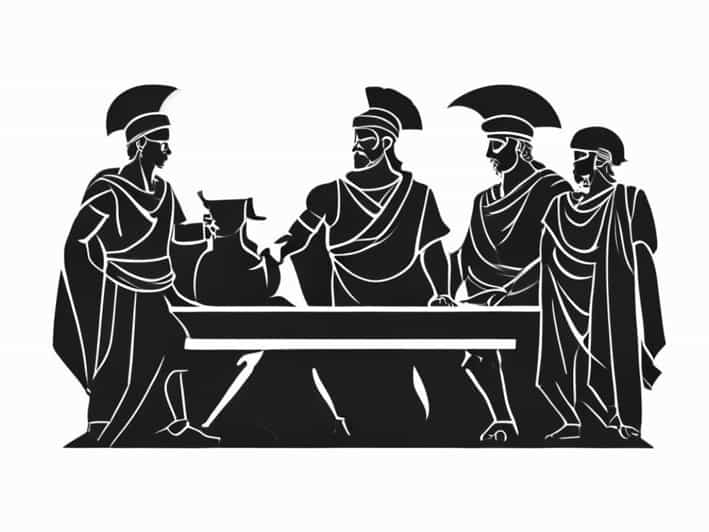
The Oresteia, a trilogy of Greek tragedies written by Aeschylus, remains one of the most significant works in classical literature. It explores themes of justice, vengeance, and the evolution of law in human society. Among the three plays in the trilogy,Agamemnon,The Libation Bearers, andThe Eumenides, the focus on familial revenge, moral responsibility, and divine intervention captivates audiences even today. These works not only tell the story of the cursed House of Atreus but also reflect broader philosophical questions about human behavior, societal order, and the transition from personal vendetta to structured justice systems.
Agamemnon The Tragedy of Hubris and Betrayal
The first play,Agamemnon, opens with the return of King Agamemnon from the Trojan War. As the leader of the Greek forces, Agamemnon embodies both power and pride, yet he becomes a victim of familial curses and political intrigue. His wife, Clytemnestra, driven by rage over the sacrifice of their daughter, Iphigenia, and the perceived betrayal of her husband, orchestrates his murder. This act of regicide sets the stage for a cycle of vengeance within the family. Aeschylus highlights themes of hubris, the consequences of immoral decisions, and the inevitability of fate in this opening drama.
Key Themes and Characters
- AgamemnonThe tragic hero whose arrogance and decisions lead to his downfall.
- ClytemnestraA complex character, blending the roles of grieving mother and vengeful spouse.
- The ChorusRepresenting the citizens of Argos, they reflect on moral and societal norms.
- Justice and RevengeThe play establishes the central conflict between personal vengeance and moral order.
Agamemnondemonstrates how personal pride and familial curses can intertwine, creating a sense of inevitability and tragedy. The play also introduces the motif of blood guilt, which will continue to dominate the subsequent works in the trilogy.
The Libation Bearers Orestes’ Quest for Justice
The second play,The Libation Bearers, follows the aftermath of Agamemnon’s murder. His son, Orestes, returns to Argos with a determination to avenge his father’s death. Guided by the gods, particularly Apollo, Orestes struggles with the moral implications of matricide, as he confronts Clytemnestra. The play emphasizes the tension between duty, familial loyalty, and ethical responsibility. Orestes’ actions illustrate the challenges of balancing personal revenge with divine commands and societal expectations.
Important Elements in The Libation Bearers
- OrestesTorn between filial duty and moral hesitation, he embodies the conflict of human conscience.
- ElectraOrestes’ sister, who supports him and shares in the grief and desire for vengeance.
- The ChorusServants and followers who provide commentary on justice, loyalty, and family honor.
- Divine InfluenceApollo’s guidance emphasizes the role of the gods in determining human action and morality.
The play ends with Orestes fulfilling his vengeance by killing Clytemnestra, but this act ignites the wrath of the Furies, ancient deities of vengeance, setting the stage for the final play.The Libation Bearersthus examines the cyclical nature of violence and the moral dilemmas inherent in seeking justice through personal retribution.
The Eumenides Transformation from Vengeance to Law
The final play,The Eumenides, shifts focus to the pursuit of justice and the establishment of societal order. Orestes is pursued by the Furies, who represent ancient, primal justice, for the crime of matricide. This play introduces the idea that divine justice and human law must coexist to maintain social stability. Athena intervenes, offering a path toward reconciliation and the foundation of the Areopagus court, symbolizing the transition from personal vengeance to formal legal processes.
Major Themes and Characters
- OrestesThe tormented protagonist whose actions challenge both divine and human law.
- The FuriesFearsome goddesses of vengeance who enforce the moral order through terror and pursuit.
- AthenaRepresents wisdom, law, and the establishment of civic justice.
- Justice vs. RevengeThe play culminates in the transformation from retributive violence to structured legal systems.
The Eumenideshighlights Aeschylus’ exploration of legal and ethical evolution. The establishment of a court to judge Orestes demonstrates the shift from personal vengeance to a system of public justice, reflecting the development of societal institutions and the rule of law. The Furies, after being appeased, are honored as the Eumenides, or Kindly Ones, symbolizing the reconciliation between old and new forms of justice.
Interconnected Themes Across the Trilogy
AcrossAgamemnon,The Libation Bearers, andThe Eumenides, Aeschylus weaves a complex narrative exploring the following themes
- Cycle of VengeanceEach act of murder triggers further violence, emphasizing the dangers of unchecked revenge.
- Divine InfluenceGods play a central role in guiding human actions and resolving moral dilemmas.
- Moral ResponsibilityCharacters must navigate the tension between duty, conscience, and societal expectations.
- Evolution of JusticeThe trilogy moves from personal vendetta to structured legal systems, reflecting the development of civic order.
- Fate and Free WillHuman choices are often constrained by curses and divine intervention, raising questions about autonomy and responsibility.
Significance in Classical Literature
The Oresteia trilogy stands out in classical literature for its exploration of both human and divine justice. Unlike earlier tragedies, which often focused on the suffering of a single hero, Aeschylus examines the broader consequences of violence and the necessity of law for social cohesion. The trilogy’s resolution, in which vengeance is transformed into a system of justice, underscores the idea that civilization requires order, rules, and rational adjudication to prevent endless cycles of retribution.
Agamemnon, The Libation Bearers, and The Eumenides together offer a compelling narrative that combines tragedy, philosophy, and social commentary. The trilogy explores themes of revenge, moral responsibility, divine intervention, and the evolution of justice, capturing the complexities of human behavior and societal development. From Agamemnon’s hubris and murder, to Orestes’ moral struggle and pursuit of vengeance, to the ultimate reconciliation and establishment of law, these works provide timeless insights into the human condition. Aeschylus’ masterful storytelling ensures that the Oresteia remains a foundational text in classical literature, illustrating the transformative power of justice and the enduring relevance of these ancient narratives.