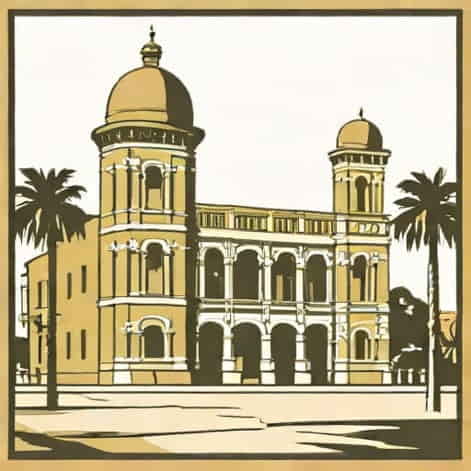
The Ringling Winter Quarters in Sarasota, Florida, is a historic and culturally significant site that once served as the winter home and operational hub for the iconic Ringling Bros. and Barnum & Bailey Circus. This sprawling complex not only housed circus performers and staff during the off-season, but it also provided stables and living quarters for hundreds of exotic animals, including elephants, lions, and tigers. Today, the site represents a fascinating intersection of circus history, architecture, and American entertainment heritage, attracting visitors interested in the legacy of one of the most famous circuses in the world. Its preservation offers a unique glimpse into how circus life was organized during the early and mid-20th century.
History of the Ringling Winter Quarters
The Ringling Winter Quarters were established in the early 1920s after John Ringling, one of the five Ringling brothers who founded the circus, purchased a large tract of land in Sarasota. The site was chosen for its mild winter climate, which allowed performers, staff, and animals to live and train comfortably during the circus’s off-season. Over the years, the complex grew to include a wide range of facilities such as stables, repair shops, rehearsal areas, and residential buildings for circus employees. The Winter Quarters became a self-sufficient village, reflecting the scale and ambition of the Ringling Bros. enterprise.
Architecture and Layout
The design of the Winter Quarters combined practicality with architectural charm. Many of the buildings were constructed in the Mediterranean Revival style, which was popular in Florida during the 1920s. This style is characterized by stucco walls, red-tiled roofs, arched windows, and decorative ironwork, giving the complex a distinct and elegant appearance. The layout of the quarters was carefully planned to accommodate the movement and care of large animals while providing comfortable living spaces for performers and staff. Wide pathways allowed for easy transport of circus equipment and animals, while separate enclosures ensured safety and efficiency.
Life at the Winter Quarters
Life at the Winter Quarters was unique and vibrant, with performers and staff living and working closely together in a communal environment. Acrobats, clowns, animal trainers, and other circus personnel would spend months preparing for the next season, rehearsing routines and caring for the animals. Children of performers often attended local schools, blending circus life with the Sarasota community. For many employees, the Winter Quarters became more than just a seasonal home; it was a tight-knit community that fostered camaraderie and collaboration among circus families.
Animal Care and Training
The Winter Quarters were especially significant for the care and training of circus animals. Elephants, camels, lions, and other exotic animals had specialized stables and enclosures designed to meet their needs. Trainers worked year-round to maintain the animals’ health, conduct training sessions, and ensure they were ready for the rigorous demands of the traveling circus. The site also included veterinary facilities and storage areas for food and equipment, reflecting the scale of operations required to manage such a large and diverse collection of animals.
Cultural Significance
The Ringling Winter Quarters hold a special place in American cultural history. They represent a period when the circus was a central form of entertainment, captivating audiences across the country. The site offers insight into the logistics, discipline, and artistry required to run a traveling circus successfully. It also highlights the contributions of the many individuals who worked behind the scenes, from animal caretakers to performers, whose efforts made the circus a spectacle of wonder and excitement. Today, the Winter Quarters are recognized for their historical and cultural importance, preserving the memory of a bygone era of American entertainment.
Preservation and Current Use
After the circus closed in 2017, efforts were made to preserve the Winter Quarters as a historic site. The complex is now partially open to the public, allowing visitors to explore the stables, rehearsal areas, and residential buildings. Museums and interpretive centers on-site provide information about the history of the Ringling Bros. Circus, the performers, and the animals. Preservation efforts focus on maintaining the original architecture, restoring key structures, and protecting the site’s cultural heritage. The Winter Quarters serve as an educational resource, offering tours, exhibitions, and events that celebrate the legacy of the circus and its impact on American culture.
Visitor Experience
Visitors to the Ringling Winter Quarters can experience the unique atmosphere of the historic site through guided tours and interactive exhibits. These tours often include stories about famous performers, behind-the-scenes insights into circus life, and demonstrations of traditional circus techniques. The site also hosts special events such as historical reenactments, educational programs for children, and temporary exhibitions that showcase circus memorabilia. Walking through the Winter Quarters provides a tangible connection to the past, allowing visitors to imagine the bustling activity and creative energy that once defined this vibrant community.
Educational Opportunities
The Winter Quarters offer extensive educational opportunities for schools, researchers, and the general public. Students can learn about the history of the circus, animal care and training, and the architectural significance of the site. Researchers can study the preservation techniques used to maintain the buildings and enclosures, while historians gain insight into the social and cultural aspects of circus life. The site’s educational programs emphasize the importance of preserving cultural heritage and understanding the complex logistics behind one of America’s most iconic entertainment forms.
Legacy of the Ringling Winter Quarters
The legacy of the Ringling Winter Quarters extends beyond Sarasota and the circus itself. It stands as a symbol of the ingenuity, dedication, and creativity required to sustain a large-scale entertainment enterprise. The site also reflects broader trends in American history, including the development of Florida as a cultural destination and the evolution of leisure and performance arts. By preserving the Winter Quarters, Sarasota has maintained a connection to an important chapter in American entertainment history, ensuring that future generations can learn about and appreciate the contributions of the Ringling Bros. Circus.
Key Highlights
- Historic stables and enclosures for elephants, lions, and other animals.
- Residential buildings and rehearsal spaces for performers and staff.
- Mediterranean Revival architecture, reflecting the style of the 1920s.
- Educational tours and programs highlighting circus history and culture.
- Preservation efforts ensuring the site’s historical integrity for future generations.
The Ringling Winter Quarters in Sarasota serve as a remarkable testament to the history of the circus in America. From its carefully planned architecture and vibrant community life to the meticulous care of exotic animals, the site offers a window into a world that was both demanding and magical. Today, the Winter Quarters continue to educate and inspire visitors, preserving the memory of the Ringling Bros. and Barnum & Bailey Circus while celebrating its contributions to American culture. For anyone interested in history, performance art, or the legacy of the circus, a visit to the Winter Quarters provides an unforgettable journey into a unique and captivating chapter of entertainment history.