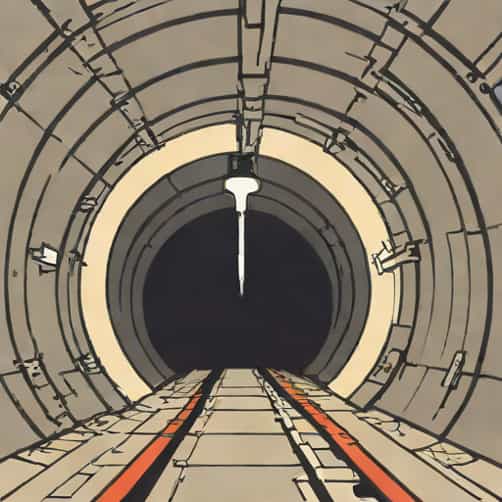
Elon Musk’s underground tunnel project has attracted significant attention for its innovative approach to addressing urban traffic congestion and transportation inefficiencies. The concept involves constructing tunnels beneath busy city streets to facilitate high-speed transportation using electric vehicles, reducing the need for traditional road expansion. Musk’s venture into underground tunneling represents a bold vision for the future of urban mobility, combining cutting-edge engineering, advanced tunneling technology, and futuristic transportation concepts. By exploring this underground network, cities could potentially alleviate traffic problems while offering a faster, more efficient, and environmentally friendly mode of transit.
The Origins of Elon Musk’s Underground Tunnel Project
The idea for the underground tunnel system originated from Musk’s recognition of severe traffic issues in metropolitan areas, particularly Los Angeles. Frustrated by daily traffic jams, he proposed a solution that would bypass congested streets by moving vehicles underground. This vision led to the creation of The Boring Company, a venture dedicated to developing tunnel-digging technology and creating scalable urban tunnel networks. Musk emphasized that the project aims to provide a practical, cost-effective alternative to expensive overground infrastructure and conventional highway expansion.
The Boring Company
The Boring Company focuses on constructing tunnels using innovative techniques that reduce costs and speed up construction. By employing advanced tunnel boring machines (TBMs) and modular tunnel designs, the company aims to make underground transportation feasible on a large scale. The company has also experimented with improving tunnel safety, ventilation, and operational efficiency. Elon Musk envisions a future where tunnel networks can integrate with electric vehicles and autonomous driving technology, offering a seamless transportation experience below city streets.
Design and Technology
Elon Musk’s underground tunnel system incorporates several innovative design elements to optimize transportation efficiency. The tunnels are designed to accommodate high-speed electric vehicles using narrow lanes and multi-level tunnels to maximize space utilization. The vehicles can travel at speeds significantly faster than surface traffic, reducing commute times considerably. The project also emphasizes safety, incorporating emergency exits, advanced lighting, and real-time monitoring systems to ensure secure operations.
Tunnel Construction Techniques
- Use of custom tunnel boring machines to minimize construction time and cost.
- Modular tunnel segments for efficient assembly and structural stability.
- Implementation of advanced ventilation systems for air quality and safety.
- Real-time monitoring of tunnel conditions and vehicle movements.
- Design of multi-level tunnels to optimize space in urban areas.
Notable Projects and Test Tunnels
One of the first publicly known underground tunnels by Elon Musk is located in Hawthorne, California, near SpaceX headquarters. This test tunnel, built by The Boring Company, serves as a prototype to showcase the feasibility of high-speed underground transit. The tunnel features a one-way, single-lane design with autonomous electric vehicles transporting passengers efficiently. The test project demonstrates potential applications for larger urban areas, providing a glimpse into the future of underground transportation systems.
Planned Urban Tunnel Networks
- Los Angeles Aimed at reducing surface congestion in key urban corridors.
- Las Vegas Convention Center Loop A fully operational underground system transporting passengers across the convention center campus.
- Proposed expansions Potential tunnels connecting major city hubs, airports, and residential areas.
- Integration with autonomous and electric vehicle fleets for continuous operation.
Advantages of Underground Tunnels
Elon Musk’s underground tunnel concept offers numerous advantages for urban transportation. By moving vehicles below the surface, cities can alleviate traffic congestion without the need for extensive land acquisition or disruptive construction projects above ground. The tunnels also reduce commute times, lower vehicle emissions by promoting electric transportation, and create safer travel environments by separating vehicles from pedestrian traffic. Additionally, underground tunnels are less affected by weather conditions, providing a reliable year-round transportation option.
Key Benefits
- Significant reduction in surface traffic congestion.
- Faster travel times due to direct, uninterrupted routes.
- Environmentally friendly through electric vehicle integration.
- Minimized impact on city landscapes and existing infrastructure.
- Potential for autonomous vehicle operations and smart traffic management.
Challenges and Criticisms
Despite its innovative potential, Elon Musk’s underground tunnel project faces several challenges. Construction costs, although reduced compared to traditional tunneling methods, remain substantial. Regulatory hurdles, city approvals, and safety concerns can also slow project development. Critics argue that while tunnels may help alleviate congestion locally, they may not address broader traffic issues without systemic changes in urban planning and public transportation infrastructure. Additionally, scaling the project to cover entire cities requires significant coordination, investment, and technological refinement.
Main Challenges
- High construction costs and financial investment required for large-scale networks.
- Regulatory approvals and city permits for tunneling in urban areas.
- Engineering challenges related to soil conditions, water tables, and underground utilities.
- Ensuring safety standards and emergency response capabilities.
- Integrating tunnels with existing transportation infrastructure effectively.
Future Prospects
The future of Elon Musk’s underground tunnel project holds considerable promise for transforming urban mobility. As The Boring Company refines its tunneling technology and expands operational tunnels, more cities may adopt similar underground transit solutions. Integration with autonomous vehicles, electric fleets, and smart city technology could further enhance efficiency and sustainability. Musk envisions a network of tunnels that can be replicated in major metropolitan areas worldwide, offering a scalable and futuristic approach to urban transportation.
Potential Developments
- Expansion of tunnel networks to connect key urban and suburban areas.
- Incorporation of autonomous electric vehicles for continuous, efficient service.
- Use of smart sensors and real-time traffic management systems.
- Integration with other modes of transportation, including trains and buses.
- Development of multi-level tunnels to maximize urban space usage.
Elon Musk’s underground tunnel initiative represents a bold and innovative approach to solving urban transportation challenges. By creating high-speed tunnels for electric and potentially autonomous vehicles, The Boring Company aims to alleviate traffic congestion, reduce travel times, and provide a futuristic, environmentally friendly transit option. While the project faces challenges in cost, regulation, and scaling, early prototypes and operational tunnels demonstrate its potential. As cities continue to grow and traffic congestion worsens, Musk’s vision for underground tunnels could play a pivotal role in shaping the future of urban mobility, offering a blend of technological innovation, efficiency, and sustainable urban planning.