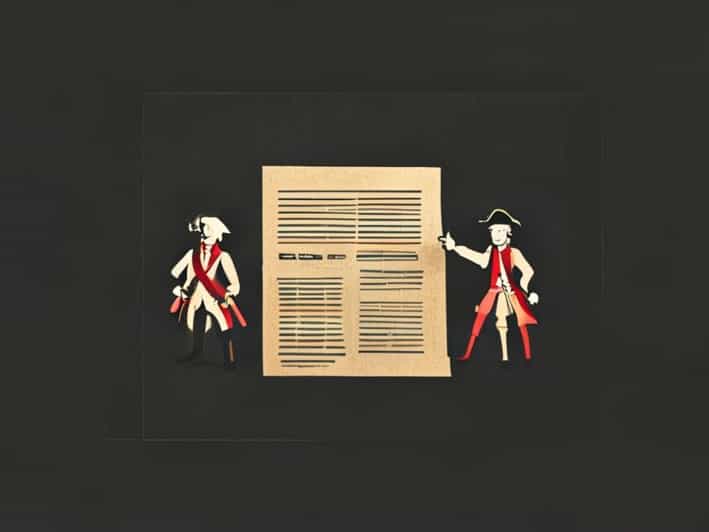
During the Revolutionary War, newspapers played a crucial role in shaping public opinion, spreading information, and mobilizing support for both the American and British causes. They were among the most important tools for communication in a time when rapid news transmission was limited. Newspapers did more than report events; they influenced political debate, encouraged patriotism, and reflected the social and cultural tensions of the era. Understanding how newspapers during the Revolutionary War tended to function provides insight into their impact on the war effort and on the formation of early American identity.
The Role of Newspapers in the Revolutionary Era
Newspapers in the late 18th century served as the primary source of information for many colonists. They reported on local events, battles, and political developments, while also publishing essays, editorials, and letters that expressed a range of political views. These publications often became forums for debate about liberty, taxation, and governance, providing ordinary citizens with access to ideas that shaped revolutionary thinking. The press was not just informative; it was persuasive, aiming to influence public opinion and rally support for the cause of independence or, in some cases, loyalty to the crown.
Content and Focus
Newspapers during the Revolutionary War tended to focus on several key areas
- Political CommentaryMany papers published essays advocating for independence or defending British policies. These topics often framed events in moral or ideological terms.
- News of Battles and Military MovementsUpdates on skirmishes, troop movements, and victories were eagerly read and often used to boost morale.
- Pamphlets and LettersNewspapers printed letters from political leaders, essays by thinkers like Thomas Paine, and responses from readers, allowing dialogue across communities.
- PropagandaBoth sides used newspapers to shape perception, exaggerate successes, and downplay defeats. Patriot newspapers tended to emphasize British tyranny, while Loyalist papers highlighted the dangers of rebellion.
This variety of content demonstrates that newspapers were both informational and persuasive, shaping how the public understood the Revolutionary War and their role in it.
The Influence of Newspapers on Public Opinion
Newspapers had a profound effect on public opinion during the Revolutionary War. They helped colonists understand complex political ideas, such as taxation without representation and natural rights, in ways that were accessible and engaging. By framing stories with moral and patriotic language, newspapers encouraged readers to take sides and become active participants in the revolutionary cause. Political essays, especially anonymous ones, allowed writers to voice criticism and debate without fear of immediate reprisal, contributing to a lively public discourse.
Partisan Perspectives
Many newspapers openly aligned themselves with either the Patriot or Loyalist perspective. This partisanship influenced the tone and content of reporting
- Patriot NewspapersFocused on promoting independence, criticizing British authorities, and highlighting colonial unity. Publications like thePennsylvania Journalor theBoston Gazettewere instrumental in spreading revolutionary ideas.
- Loyalist NewspapersSupported continued allegiance to Britain, warned of the dangers of rebellion, and sought to portray Patriots as reckless or disloyal. These papers offered alternative narratives to counteract Patriot propaganda.
The presence of these differing perspectives shows that newspapers were not neutral observers but active participants in shaping the ideological battleground of the war. Readers often chose papers that reflected their own views, reinforcing communities of opinion and contributing to the polarization of colonial society.
Distribution and Accessibility
Although newspapers were widespread in colonial towns and cities, distribution faced significant challenges. Printing presses were expensive, and transportation was slow. As a result, newspapers often circulated among small communities, coffeehouses, and reading societies, where copies might be shared and discussed. This practice made newspapers more than just printed sheets; they became social tools for conversation, debate, and the dissemination of political ideas.
Accessibility and Literacy
Newspapers reached a primarily literate audience, often including merchants, artisans, and political leaders. While many rural colonists might not have had direct access to printed materials, the content of newspapers was frequently read aloud in public spaces, ensuring that news and ideas reached broader audiences. This oral transmission amplified the impact of newspapers and helped create a shared understanding of events, even among those who could not read themselves.
Challenges Faced by Newspapers
Operating a newspaper during the Revolutionary War was not without difficulty. Printers faced censorship, threats, and logistical obstacles. Printing presses were sometimes targeted by opposing political factions, and editors risked legal repercussions for publishing seditious material. Despite these challenges, newspapers continued to operate, demonstrating the determination of publishers to provide information and influence public opinion during turbulent times.
Legal and Social Pressures
Both colonial and British authorities attempted to control the press through regulations, fines, and arrests. Editors had to navigate these risks carefully, balancing the need to report news and opinion with the potential for punishment. Social pressure also played a role, as community opinion could either support or condemn a newspaper depending on its political stance.
Legacy of Revolutionary War Newspapers
The newspapers of the Revolutionary War era left a lasting legacy on American society. They helped establish the idea of a free press as essential to democracy and public engagement. By documenting events, expressing opinion, and providing a forum for debate, these publications contributed to the creation of a politically aware citizenry. Their partisanship and persuasive power foreshadowed the role of modern media in shaping public discourse and political participation.
Impact on American Identity
Newspapers during this period did more than report events; they helped define what it meant to be a citizen in a new nation. Patriot newspapers, in particular, emphasized themes of liberty, justice, and communal responsibility, influencing how colonists viewed themselves and their role in the struggle for independence. By spreading revolutionary ideas and fostering debate, newspapers contributed to a sense of shared identity that would endure long after the war ended.
Newspapers during the Revolutionary War tended to be highly partisan, persuasive, and influential in shaping public opinion. They provided information on battles, political developments, and social issues while promoting ideological perspectives aligned with either Patriot or Loyalist causes. Despite challenges in printing, distribution, and censorship, newspapers became critical tools for communication, debate, and mobilization. Their role extended beyond simple reporting, helping to define community, citizenship, and national identity in a time of conflict. By understanding how these newspapers functioned, we gain valuable insight into the early American experience and the power of media in shaping historical events.
Ultimately, Revolutionary War newspapers illustrate that media has always been central to the political process. Their influence on public opinion, debate, and social cohesion underscores the enduring importance of a free and engaged press in society. The lessons of their impact remain relevant today, reminding us of the ways information, perspective, and communication can shape the course of history.