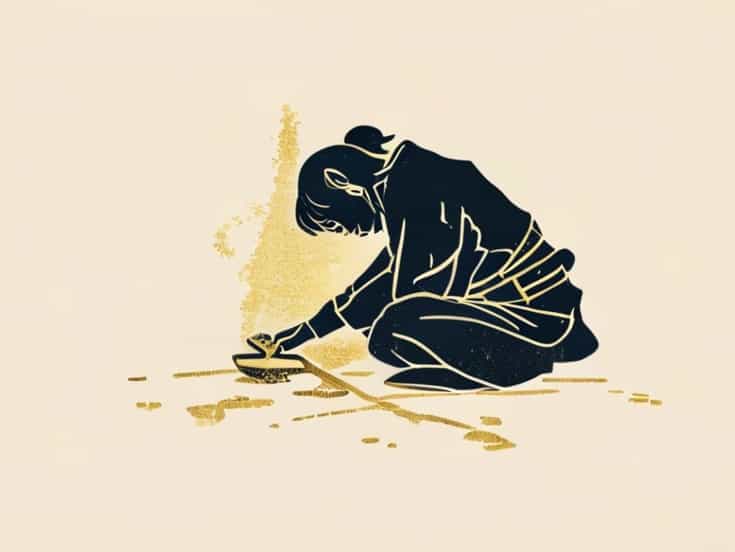
The Japanese art of mending broken things with gold is a centuries-old tradition that transforms broken objects into works of beauty. Known as Kintsugi, this practice reflects a philosophy that embraces imperfection and highlights the history of an object rather than hiding its flaws. By repairing broken pottery or ceramics with lacquer mixed with gold, silver, or platinum, Kintsugi creates a visible, golden seam where the break occurred. This art form is more than just a repair technique; it is a celebration of resilience, impermanence, and the beauty of imperfection, offering profound lessons applicable beyond the realm of pottery.
Origins and History of Kintsugi
Kintsugi dates back to the late 15th century during Japan’s Muromachi period. The story goes that a Japanese shogun sent a damaged Chinese tea bowl back to China for repairs. When it returned, it was repaired with unsightly metal staples, which inspired Japanese craftsmen to develop a more aesthetically pleasing method. Using lacquer infused with precious metals, they transformed the repair process into an art form, turning broken objects into symbols of beauty and continuity.
The Philosophy Behind Kintsugi
Kintsugi embodies the Japanese philosophy of Wabi-Sabi, which finds beauty in imperfection, transience, and simplicity. Rather than hiding cracks or treating a broken item as worthless, Kintsugi emphasizes the object’s history and unique character. Each repair tells a story, creating a visual narrative that honors the passage of time and the resilience of the material. This approach encourages a shift in perspective, teaching that flaws and damage are integral to an object’s identity, and by extension, human experience.
Techniques and Materials
The Kintsugi process is both meticulous and delicate. It requires careful handling, skill, and patience. Traditional methods involve several steps
- PreparationThe broken pieces are cleaned and arranged to ensure a precise fit.
- AdhesionLacquer, a natural resin, is applied to bond the pieces together. The lacquer may take several days to cure.
- Application of GoldOnce the lacquer has set, powdered gold, silver, or platinum is sprinkled or brushed over the seams to highlight the repair.
- FinishingThe surface is polished, creating a smooth, gleaming line along the break.
Different variations of Kintsugi exist. Some focus on filling large missing pieces, while others emphasize hairline cracks. Regardless of the method, the process transforms the broken object into something visually stunning and unique.
Symbolism of Kintsugi
Kintsugi carries deep symbolism beyond its aesthetic appeal. The visible gold lines are metaphors for resilience, healing, and transformation. In Japanese culture, these repaired items are reminders that damage and recovery are part of life, and that scars can enhance, rather than diminish, beauty. This philosophy resonates with personal growth, emotional healing, and the acceptance of change, making Kintsugi a meaningful metaphor for human experience.
Kintsugi in Modern Culture
In contemporary times, Kintsugi has inspired art, design, fashion, and psychology. Artists incorporate Kintsugi principles into paintings, sculptures, and even digital media. Interior designers use golden seams as decorative motifs, while therapists employ the philosophy of Kintsugi as a tool for emotional resilience, encouraging individuals to embrace past hardships as part of their identity. The art form’s popularity has grown worldwide, resonating with those seeking mindfulness, acceptance, and the beauty of imperfection.
Applications of Kintsugi
While Kintsugi originally applied to pottery, its principles extend to various materials and contexts
- Ceramics and PorcelainTraditional Kintsugi repairs broken bowls, cups, and vases.
- GlassModern adaptations apply the technique to shattered glass objects, creating striking visual effects.
- Furniture and WoodKintsugi-inspired methods repair cracks in wooden furniture using gold-infused epoxy.
- Jewelry and FashionDesigners use Kintsugi aesthetics to create pieces that celebrate imperfection and uniqueness.
Kintsugi and Mindfulness
Practicing Kintsugi encourages mindfulness, patience, and attention to detail. The process requires focus on every step, from aligning broken pieces to applying the gold lacquer. It is meditative, fostering a sense of calm and intentionality. Beyond physical repair, Kintsugi teaches acceptance and reflection, allowing practitioners and observers to appreciate the beauty in what is often overlooked flaws, scars, and history.
Kintsugi as a Metaphor for Life
Kintsugi’s lessons extend far beyond pottery. It reminds people that personal struggles, emotional setbacks, and past experiences contribute to one’s unique character. Like the repaired cracks in a bowl, life’s difficulties can be transformed into sources of beauty, strength, and wisdom. This perspective promotes resilience, encouraging individuals to embrace imperfections rather than conceal them, and to find meaning in adversity.
Global Influence and Popularity
Today, Kintsugi has transcended Japanese culture, inspiring artists, designers, and philosophers worldwide. Exhibitions, workshops, and online tutorials showcase the technique and its philosophy. Its influence is seen in contemporary art installations, interior design, and creative writing, reflecting universal appreciation for the concept of turning damage into beauty. The global popularity of Kintsugi highlights a collective human desire to find value in imperfection and continuity in transformation.
Educational Value of Kintsugi
Kintsugi also serves an educational purpose, teaching history, craftsmanship, and philosophy. Learning the technique offers insights into traditional Japanese culture, material science, and design aesthetics. It encourages critical thinking, creativity, and patience, while also fostering an appreciation for cultural heritage and the philosophical depth embedded in artistic practices.
The Japanese art of mending broken things with gold, or Kintsugi, is far more than a simple repair technique. It is a philosophy, a celebration of imperfection, and a symbol of resilience. Through the careful process of repairing ceramics with lacquer and gold, broken objects are transformed into unique, beautiful artworks that tell a story. Kintsugi teaches that flaws and history should be celebrated rather than hidden, offering a metaphor for life, healing, and personal growth. Its influence continues to spread globally, inspiring art, design, mindfulness, and emotional resilience, proving that beauty can emerge from brokenness and that imperfection is a valuable part of existence.