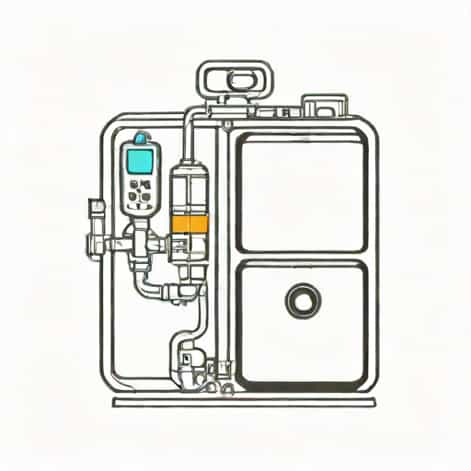
The Zero B Water Softener is a popular choice among homeowners seeking to improve water quality by reducing hardness caused by minerals like calcium and magnesium. Hard water can lead to scale buildup in pipes, damage to appliances, and dry skin or hair. Understanding how to use and maintain your Zero B Water Softener is essential to ensure it functions efficiently. This guide explores the features, setup, maintenance, and troubleshooting tips for Zero B Water Softener systems, based on information commonly found in the Zero B water softener manual.
Understanding the Zero B Water Softener System
A Zero B Water Softener is designed to convert hard water into soft water through an ion-exchange process. This system uses resin beads to trap hardness ions and replace them with sodium or potassium ions. The result is soft water that prevents scaling and increases the efficiency of household cleaning and heating systems.
The softener is typically installed at the main water inlet to treat all water entering the home. Depending on the model-such as the Zero B AutoSoft, Zero B Smart Softener, or the Zero B Suraksha series-there may be variations in features and operation, but the fundamental principles remain the same.
Main Components of a Zero B Water Softener
The Zero B Water Softener manual identifies several key components that work together to ensure proper softening and regeneration
- Resin TankContains ion-exchange resin beads that capture calcium and magnesium ions.
- Brine TankHolds the salt solution used for regenerating the resin beads.
- Control ValveManages the flow of water during service and regeneration cycles.
- Inlet and Outlet ConnectionsAllow hard water to enter the system and soft water to exit.
- Drain LineRemoves the used brine and hardness minerals during regeneration.
Each of these components must be properly installed and maintained to ensure the system performs optimally.
Installation Guidelines
According to most Zero B water softener manuals, installation should ideally be done by a qualified technician to prevent damage or leaks. However, understanding the process helps users grasp how the system operates. The typical installation steps include
- Choosing a location near the main water supply line and electrical outlet.
- Ensuring the area has proper drainage for the regeneration process.
- Connecting the inlet and outlet ports correctly-input from the main water line and output to the household water supply.
- Filling the brine tank with the recommended type and quantity of salt.
- Setting the control valve or timer according to water hardness and household consumption.
Proper installation ensures the water softener begins its function smoothly and avoids potential performance issues later on.
Programming the Control Valve
Modern Zero B water softeners come equipped with automatic control valves that simplify operation. The manual provides instructions for programming these valves, which usually involve the following steps
- Setting the time of day to ensure regeneration occurs during off-peak hours, such as early morning.
- Entering the water hardness level, usually measured in parts per million (ppm) or grains per gallon (gpg).
- Adjusting regeneration frequency based on the household’s daily water usage.
- Choosing between manual and automatic regeneration modes, depending on the model.
Proper configuration ensures that the water softener regenerates efficiently and provides a continuous supply of soft water.
Regeneration Process Explained
The regeneration cycle is the heart of any water softener’s operation. Over time, the resin beads become saturated with hardness ions, and the system must flush these out using a saltwater (brine) solution. The process usually occurs in four stages
1. Backwash Cycle
Water flows upward through the resin tank, dislodging any trapped sediments or debris and flushing them out through the drain.
2. Brine Draw Cycle
The system pulls the saltwater solution from the brine tank into the resin tank. The sodium ions replace the calcium and magnesium ions on the resin beads.
3. Slow Rinse Cycle
Fresh water rinses through the resin tank, removing excess salt and ensuring the resin is clean and recharged.
4. Fast Rinse Cycle
The system performs a final rinse to compact the resin bed and prepare it for regular service again.
This regeneration cycle usually takes one to two hours and may be programmed to occur automatically based on water usage or time intervals.
Maintenance Instructions
Maintaining your Zero B Water Softener regularly ensures its long-term efficiency and prevents problems like salt bridging, low flow rates, or resin degradation. The manual typically recommends the following maintenance tasks
- Check the salt level in the brine tank once every two to three weeks and refill as needed.
- Clean the brine tank once every six months to remove any sludge or salt buildup.
- Inspect the control valve for leaks or blockages and clean the nozzle assembly if necessary.
- Run a manual regeneration cycle occasionally to ensure proper operation.
- Replace the resin beads every few years if the softening performance decreases significantly.
Always use high-quality water softener salt, preferably pellet or crystal type, to avoid impurities that can clog the system.
Common Issues and Troubleshooting
The Zero B water softener manual also covers common problems users might encounter and how to resolve them
- Hard water persistsCheck if the system is in bypass mode or if the salt level is low.
- Water tastes saltyThe rinse cycle may be incomplete-adjust the control settings or inspect the drain line for clogs.
- System not regeneratingEnsure the timer is correctly programmed and that the power supply is connected.
- Low water pressureClean the inlet filter or resin bed to remove any mineral deposits.
Most issues can be resolved with basic maintenance, but severe problems may require service from an authorized technician.
Safety Precautions
The manual also emphasizes safety measures to protect both the user and the equipment. Always disconnect the system from the power supply before performing maintenance. Avoid using unapproved cleaning agents or lubricants that might damage internal components. If you detect unusual odors or discoloration in your water, stop using the system until it has been inspected.
Additionally, the manual suggests placing the softener on a stable, level surface and ensuring that the drain line does not become kinked or obstructed during operation.
Benefits of Using Zero B Water Softener
Regular use of a Zero B Water Softener brings multiple benefits beyond just soft water. Homeowners notice smoother skin and hair, less soap usage, and longer-lasting appliances. The absence of mineral buildup also improves the performance of water heaters, washing machines, and dishwashers, saving on maintenance costs in the long run.
Moreover, soft water prevents scaling on faucets and tiles, making cleaning easier and preserving the aesthetic of your home’s plumbing fixtures.
The Zero B Water Softener manual provides clear and practical instructions for setup, operation, and maintenance. Understanding the system’s components, regeneration process, and troubleshooting steps ensures optimal performance and longevity. With regular upkeep, this system effectively combats hard water issues, enhances daily comfort, and protects household appliances from mineral damage. Whether you own a Zero B AutoSoft or a Smart Softener model, following the proper guidelines will help you enjoy consistent, high-quality soft water throughout your home.