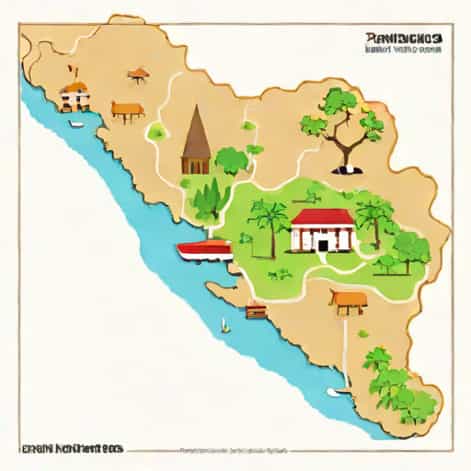
Zamboanga del Norte, located in the northern part of Mindanao in the Philippines, is a province rich in culture, natural beauty, and historical significance. Known for its pristine beaches, lush mountains, and vibrant local communities, this province offers a unique glimpse into the diverse heritage of Mindanao. From bustling towns to serene rural landscapes, Zamboanga del Norte has become a destination that attracts both local and international visitors seeking adventure, cultural experiences, and natural wonders. Its strategic location in Mindanao also makes it an important hub for trade, agriculture, and tourism within the region.
Geography and Location
Zamboanga del Norte occupies the northwestern part of Mindanao, bordered by the provinces of Zamboanga del Sur, Misamis Occidental, Misamis Oriental, and Lanao del Norte. Its coastal areas face the Sulu Sea and the Mindanao Sea, providing access to rich fishing grounds and maritime routes. The province covers a diverse landscape, including lowland plains, rolling hills, and rugged mountains. This variety in terrain supports a wide range of agricultural activities and contributes to the province’s scenic beauty, making it an appealing destination for eco-tourism and outdoor activities.
Major Cities and Municipalities
The capital of Zamboanga del Norte is Dipolog City, often referred to as the Gateway to Western Mindanao. Dipolog is known for its bustling markets, educational institutions, and vibrant cultural scene. Another notable city is Dapitan, famous for its historical significance as the place of exile of the Philippine national hero, Dr. Jose Rizal. The province is further divided into numerous municipalities, each with its own unique attractions and traditions, reflecting the rich cultural tapestry of the region.
History and Cultural Heritage
Zamboanga del Norte has a rich historical background that reflects the broader history of Mindanao. Indigenous communities, such as the Subanen, have inhabited the area for centuries, preserving unique customs, crafts, and rituals. The arrival of Spanish colonizers in the 16th century introduced Catholicism, new governance structures, and architectural influences, many of which can still be seen in churches and historic buildings today. The province played a significant role during the Philippine Revolution and the subsequent periods of resistance and development, leaving a legacy that continues to shape its cultural identity.
Festivals and Traditions
The people of Zamboanga del Norte celebrate numerous festivals that highlight local culture, agricultural products, and religious devotion. One of the most prominent events is the Dapitan Zamboanga del Norte Charter Day Festival, which showcases traditional dances, music, and local cuisine. Festivals often include parades, cultural performances, and competitions that allow communities to display their talents and preserve their heritage. These celebrations are a reflection of the province’s vibrant spirit and provide visitors with immersive experiences into local traditions.
Tourism and Attractions
Zamboanga del Norte is home to a wealth of natural attractions and tourist destinations. Visitors can explore pristine beaches, such as those found in Sicayab Beach and Dakak Beach, which offer white sands, clear waters, and opportunities for water sports. The province also boasts scenic mountains and hiking trails, such as Mount Dabiak, which provide panoramic views of the surrounding landscapes. Dapitan City, with its historical landmarks like Rizal Shrine, provides cultural and historical tourism opportunities, attracting those interested in the legacy of Dr. Jose Rizal.
Eco-Tourism and Adventure Activities
For adventure enthusiasts, Zamboanga del Norte offers activities such as trekking, snorkeling, diving, and river rafting. The diverse ecosystems in the province, including mangroves, coral reefs, and forests, make it an ideal destination for eco-tourism. Bird watching and wildlife exploration are also popular, as the province is home to several endemic species. Efforts to promote sustainable tourism ensure that visitors can enjoy these natural wonders while helping to preserve the environment for future generations.
Economy and Agriculture
The economy of Zamboanga del Norte is largely based on agriculture, fishing, and trade. Rice, corn, coconut, and various fruits are among the primary crops cultivated in the region. Fishing is a vital industry due to the province’s extensive coastline, providing livelihoods for coastal communities and contributing to local cuisine. Additionally, small-scale industries, including handicrafts and food processing, support the local economy. Emerging tourism also plays a significant role, generating income and creating job opportunities for residents.
Infrastructure and Development
Zamboanga del Norte has made significant strides in infrastructure development, including improvements in roads, ports, and public facilities. Dipolog Airport connects the province to major cities in Mindanao and the Visayas, facilitating travel and commerce. Local government initiatives focus on enhancing public services, healthcare, education, and tourism infrastructure, ensuring sustainable growth while improving the quality of life for residents.
Education and Institutions
Education is a priority in Zamboanga del Norte, with numerous schools, colleges, and universities serving the province. Institutions like Josefina H. Cerilles State College and Andres Bonifacio College provide higher education and vocational training, contributing to workforce development and regional progress. Literacy programs and community education initiatives further strengthen the province’s social and economic fabric, empowering residents to participate actively in development and innovation.
Challenges and Opportunities
Like many provinces in Mindanao, Zamboanga del Norte faces challenges such as infrastructure gaps in remote areas, environmental concerns, and the need for sustainable economic development. However, these challenges also present opportunities for growth. By leveraging its natural resources, cultural heritage, and strategic location, the province can expand tourism, promote eco-friendly agriculture, and enhance trade networks. Investments in renewable energy, digital infrastructure, and education also have the potential to transform Zamboanga del Norte into a model of balanced regional development.
Zamboanga del Norte in Mindanao is a province of remarkable diversity, blending natural beauty, rich history, and vibrant cultural traditions. From its picturesque beaches and mountains to its historical landmarks and festivals, the province offers a wealth of experiences for residents and visitors alike. The combination of agriculture, fishing, and emerging tourism contributes to a growing economy, while ongoing infrastructure and educational improvements ensure a sustainable future. Zamboanga del Norte represents the dynamic spirit of Mindanao, offering a harmonious mix of tradition, modernity, and natural splendor that continues to captivate all who visit.