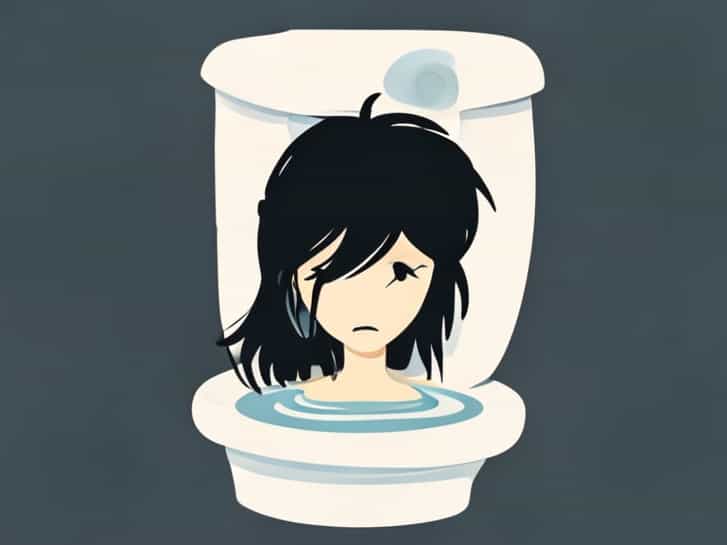
Discovering that your hair has accidentally fallen into toilet water is one of the most unpleasant and disgusting experiences anyone can have. It can happen in the rush of everyday life, whether at home, in public restrooms, or during unexpected situations. The immediate reaction is often a mix of disgust, frustration, and anxiety about hygiene. Hair coming into contact with toilet water raises concerns about germs, bacteria, and cleanliness, which are natural reactions given the nature of toilets. Handling the situation properly requires a combination of quick thinking, hygiene measures, and strategies to prevent it from happening again.
Understanding the Disgust Factor
The human reaction of disgust when hair falls into toilet water is rooted in both psychological and biological instincts. Toilets, even when clean, are associated with waste and potential germs. The sight of hair in water that has been in contact with a toilet can trigger strong emotional responses due to the association with contamination. Disgust is a protective mechanism, signaling the need to avoid potential pathogens. It is not just about hygiene but also about the way our brains interpret situations linked to health risks.
Why Toilet Water Is Considered Contaminated
Even if a toilet has been cleaned recently, water in the bowl can contain bacteria from human waste, skin cells, and other ptopics. When hair comes into contact with this water, it may collect microorganisms that could be transferred to your hands or scalp if not handled properly. Understanding the potential risks can help you take the right steps to clean the hair and prevent health issues. The disgust we feel is thus a reflection of our natural instincts to avoid contamination and protect our bodies.
Immediate Steps to Take
When your hair falls into toilet water, the first response should be to remove it safely and hygienically. Quick action helps reduce the risk of contamination and alleviates the discomfort associated with the situation. Here are some practical steps to follow
1. Use Gloves or a Tool
If possible, wear disposable gloves to avoid direct contact with the hair and toilet water. Alternatively, use a tool such as tweezers or tongs to retrieve the hair safely. This prevents germs from transferring to your skin and reduces the risk of infection.
2. Clean the Hair Thoroughly
Once the hair is retrieved, it should be washed thoroughly with soap and warm water. Shampooing the hair helps remove any contaminants, while conditioning can restore moisture lost during the cleaning process. Proper cleaning is essential to prevent the spread of bacteria and to restore the hair’s hygiene and appearance.
3. Disinfect the Toilet Area
After retrieving the hair, it is important to clean and disinfect the toilet area. Using disinfectant sprays or wipes can kill bacteria and reduce the likelihood of further contamination. Cleaning the surrounding area also restores a sense of hygiene and safety, especially if the incident occurred in a shared or public space.
Psychological Impact and Coping Strategies
Accidents involving hair falling into toilet water can cause not just physical concerns but also psychological discomfort. Many people experience embarrassment, stress, or lingering feelings of disgust. Managing these emotional responses is important to prevent overreaction and to maintain good mental health.
Stay Calm and Rational
While the situation is unpleasant, staying calm helps you handle it effectively. Rational thinking allows you to focus on cleaning the hair and maintaining hygiene rather than panicking. Remind yourself that while the incident is gross, it is manageable with proper steps.
Use Humor to Alleviate Stress
Sometimes, viewing the situation with humor can reduce the emotional discomfort. Sharing a funny anecdote or laughing at the mishap can help normalize the experience and prevent feelings of embarrassment from escalating.
Preventive Measures
While accidents happen, taking preventive steps can reduce the chances of hair falling into toilet water in the future. Simple measures can improve safety and hygiene in both home and public restroom environments.
1. Use Hair Ties or Clips
Keeping hair tied back or clipped while using the restroom can prevent loose strands from falling into the water. This is particularly helpful for long hair, which is more likely to come into contact with the bowl.
2. Maintain Clean and Dry Surroundings
Ensure that toilet lids are closed when not in use and that the area around the toilet is clean and dry. This reduces the chance of hair or other items accidentally coming into contact with water and limits exposure to germs.
3. Be Mindful of Personal Habits
Paying attention to habits such as brushing hair near the toilet or moving hair care items around the bathroom can minimize the risk of accidents. Small changes in behavior can prevent disgusting mishaps and maintain better hygiene.
Long-Term Hygiene Practices
Regular hair and bathroom hygiene play a crucial role in preventing contamination and maintaining overall cleanliness. Implementing consistent practices ensures that even if an accident occurs, the risk of health issues is minimized.
Hair Care Routines
Shampooing hair regularly, using conditioner, and keeping hair clean helps reduce the impact of accidental exposure to contaminants. In cases where hair comes into contact with toilet water, having a routine of washing hair thoroughly ensures that any potential germs are removed promptly.
Bathroom Maintenance
Regular cleaning and disinfecting of the toilet and surrounding areas reduce bacterial buildup. This not only prevents accidents from becoming health hazards but also promotes a hygienic environment that minimizes disgust if hair falls into toilet water.
Having your hair fall into toilet water is undoubtedly a disgusting experience, but it can be managed with calm, proper hygiene, and preventive measures. Understanding why toilet water is considered contaminated and why humans naturally react with disgust helps contextualize the situation. Immediate actions such as using gloves or tools, cleaning the hair, and disinfecting the toilet area are essential to maintain hygiene. Emotional responses can be mitigated through rational thinking and humor, while preventive measures such as tying back hair, closing toilet lids, and maintaining cleanliness reduce the chances of recurrence. By taking these steps, individuals can handle this unfortunate mishap safely and effectively, turning a moment of disgust into an opportunity for improved hygiene awareness and practical problem-solving.