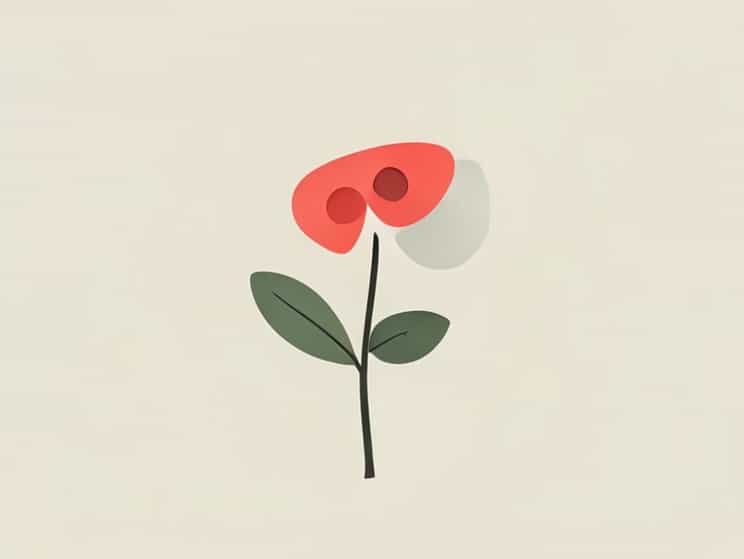
You pretend to be a weak forgettable wallflower, a phrase that immediately suggests quietness, invisibility, and deliberate restraint. It captures a state of being where someone chooses to fade into the background, not because they lack substance, but because they want to avoid attention or expectation. This idea resonates with many people who have, at some point, hidden their true thoughts, talents, or strength behind silence. Exploring this concept opens a deeper discussion about identity, self-protection, and the misunderstood power of those who appear unnoticed.
The Meaning Behind Pretending to Be a Wallflower
To pretend to be a weak forgettable wallflower is not always about weakness. Often, it is a conscious or unconscious strategy for survival. A wallflower is traditionally someone who stays on the sidelines, observing rather than participating. By pretending to be forgettable, a person may feel safer from judgment, conflict, or disappointment.
This behavior can emerge in social settings, workplaces, schools, or even within families. The act of pretending suggests that there is more beneath the surface, something intentionally concealed.
Why People Choose Invisibility
There are many reasons someone might choose to appear invisible. Past experiences of rejection, criticism, or failure can encourage people to minimize themselves. By becoming unnoticed, they believe they reduce the risk of being hurt.
In some cases, cultural or social expectations reward quiet obedience over individuality, reinforcing the idea that blending in is preferable to standing out.
Common Motivations
- Fear of judgment or rejection
- Desire to avoid conflict or attention
- Past emotional trauma
- Low self-confidence or self-worth
The Difference Between Being Weak and Appearing Weak
Appearing weak does not mean being weak. Many people who pretend to be forgettable possess strong inner lives, sharp intelligence, and deep emotional awareness. Their silence is not emptiness, but restraint.
This distinction is important because society often equates loudness with strength and visibility with value. In reality, quiet individuals often observe more, think more deeply, and understand situations with greater clarity.
The Wallflower as an Observer
Those who stand at the edges often see what others miss. By not dominating conversations or seeking attention, the wallflower becomes an observer of human behavior. This perspective can lead to insight, creativity, and empathy.
Pretending to be forgettable can provide a form of control, allowing someone to choose when and how they reveal themselves.
Emotional Armor and Self-Protection
For many, pretending to be a weak forgettable wallflower acts as emotional armor. If people expect little from you, they cannot easily disappoint you. If they do not notice you, they cannot criticize you.
This protective mechanism may work in the short term, but over time it can limit personal growth and connection.
The Cost of Staying Invisible
While hiding can feel safe, it often comes with a cost. Being unnoticed can lead to feelings of loneliness, frustration, and invisibility. When people constantly suppress their voice, they may begin to believe that their thoughts and feelings do not matter.
Over time, this self-erasure can affect mental health and self-esteem.
Potential Consequences
- Missed opportunities
- Difficulty forming deep relationships
- Internalized self-doubt
- Emotional isolation
Social Expectations and Quiet Personalities
Modern society often celebrates confidence, charisma, and assertiveness. Quiet or reserved individuals are sometimes mislabeled as weak or forgettable simply because they do not fit this mold.
This creates pressure to perform a louder version of oneself, even when it feels unnatural. As a result, some people retreat further, choosing invisibility over inauthenticity.
The Hidden Strength of the Wallflower
There is strength in restraint, in listening more than speaking, and in choosing peace over attention. Many people who appear weak are actually conserving energy, carefully selecting where to invest their emotional effort.
The wallflower often has resilience developed through endurance rather than dominance.
Breaking the Pattern of Pretending
Recognizing the habit of pretending to be a weak forgettable wallflower is the first step toward change. Awareness allows individuals to question whether invisibility is still serving them or holding them back.
Growth does not require becoming loud or aggressive. It simply means allowing oneself to be seen when it matters.
Small Steps Toward Visibility
Stepping out of the background does not have to be dramatic. Small, intentional actions can help rebuild confidence and self-expression.
Practical Ways to Be Seen
- Sharing opinions in safe environments
- Setting gentle boundaries
- Acknowledging personal achievements
- Connecting with like-minded people
Authenticity Over Performance
The goal is not to replace invisibility with performance. Authenticity means honoring one’s natural temperament while still allowing space for growth. A quiet person does not need to become someone else to be valued.
Letting go of the need to pretend opens the door to more genuine relationships and experiences.
The Role of Self-Compassion
Many people who hide are harsh with themselves. Practicing self-compassion helps dismantle the belief that being quiet or reserved is a flaw. It reframes these traits as neutral or even valuable.
Self-acceptance creates the foundation for confidence that does not rely on external validation.
Visibility on Your Own Terms
Being seen does not mean being exposed. It means choosing when to speak, when to act, and when to step forward. This kind of visibility is empowering rather than overwhelming.
Those who once pretended to be forgettable often discover that their presence carries more weight than they imagined.
You pretend to be a weak forgettable wallflower not because you lack strength, but often because you are protecting something tender within yourself. This behavior is understandable, especially in a world that rewards noise over nuance.
However, true growth comes from recognizing that your quiet voice still deserves space. You do not have to abandon who you are to be seen. By embracing authenticity and allowing yourself to exist fully, you transform from a wallflower into someone quietly, unmistakably present.