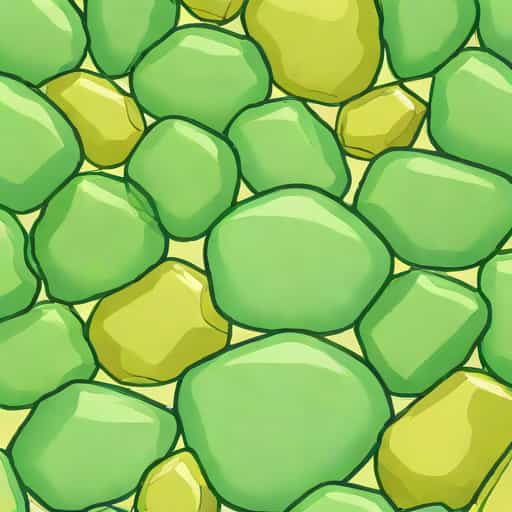
Yellowish green translucent chalcedony rocks are a fascinating type of mineral that captivates collectors, jewelers, and geologists alike. Known for their delicate coloration and semi-translucent properties, these rocks exhibit a unique blend of aesthetic appeal and scientific interest. Their subtle yellow-green hue, combined with the smooth texture and often intricate internal patterns, makes them highly desirable for ornamental purposes, jewelry crafting, and mineral collection. Whether found in nature or polished for display, yellowish green chalcedony rocks offer a glimpse into the complex geological processes that form such beautiful specimens, while also providing an intriguing addition to any collection of semi-precious stones.
Understanding Chalcedony
Chalcedony is a form of microcrystalline quartz, characterized by its fine-grained structure and smooth, waxy luster. It occurs in a variety of colors, ranging from white and blue to yellow, green, and even reddish tones. The yellowish green translucent variety stands out due to its subtle, calming color that is both eye-catching and versatile for various uses. Chalcedony forms through the deposition of silica-rich solutions within rock cavities, often resulting in bands, inclusions, or cloud-like internal structures that contribute to its distinctive appearance.
Geological Formation
Yellowish green translucent chalcedony rocks are primarily formed through processes of sedimentary and volcanic activity. Silica-rich fluids seep into voids and fractures in host rocks, gradually crystallizing over thousands or even millions of years. The specific yellow-green coloration can result from trace elements such as iron, nickel, or chromium within the mineral structure. Temperature, pressure, and the chemical composition of surrounding materials all influence the final appearance, contributing to the remarkable diversity observed among chalcedony specimens.
Physical Characteristics
The most striking feature of yellowish green translucent chalcedony rocks is their semi-translucent quality, which allows light to pass through while diffusing it softly. This gives the rocks a glowing appearance when held against a light source. Their smooth surface and fine-grained texture make them ideal for polishing and shaping, whether for jewelry, decorative carvings, or display specimens. The combination of color, translucency, and texture ensures that each piece of chalcedony is unique.
Color Variations
While the primary color is a yellowish green, subtle variations can occur depending on mineral content and environmental factors during formation
- Light green with golden undertones – often seen in smaller, polished pieces.
- Muted yellow-green – typically found in raw or unpolished rocks.
- Translucent green with hints of brown or white inclusions – adds character to natural specimens.
These variations enhance the aesthetic appeal and rarity of individual stones, making them particularly valued by collectors and jewelers.
Uses of Yellowish Green Translucent Chalcedony Rocks
These chalcedony rocks have a wide range of applications, primarily in ornamental, decorative, and metaphysical contexts. Jewelers often cut and polish them into cabochons, beads, and pendants for necklaces, bracelets, and rings. Their gentle translucency and appealing color make them highly versatile and suitable for both contemporary and traditional designs. In addition to jewelry, chalcedony rocks are used for carvings, paperweights, and decorative displays in homes or offices, where their natural beauty can be appreciated up close.
Metaphysical and Healing Properties
Many people also value yellowish green translucent chalcedony rocks for their purported metaphysical and healing properties. In alternative practices, chalcedony is believed to promote emotional balance, reduce stress, and encourage positive communication. The yellow-green variety, in particular, is thought to stimulate creativity, enhance clarity of thought, and foster a sense of harmony with nature. While these properties are not scientifically proven, they contribute to the cultural and spiritual appeal of chalcedony.
Collecting and Caring for Chalcedony
For collectors, yellowish green translucent chalcedony rocks represent both beauty and rarity. When acquiring specimens, it is important to consider factors such as color consistency, translucency, surface quality, and overall size. Raw, unpolished stones may appeal to mineral enthusiasts, while polished stones are preferred by jewelers and display collectors. Proper care is essential to maintain their luster and prevent damage.
Cleaning and Maintenance
To preserve the quality of chalcedony rocks
- Clean with a soft, damp cloth to remove dust and dirt.
- Avoid harsh chemicals or abrasive cleaning materials that could scratch the surface.
- Store in a padded container or separate compartment to prevent chipping or scratching.
- Occasionally, a mild soap solution can be used for deeper cleaning, followed by thorough rinsing and drying.
These steps ensure that the yellowish green translucent chalcedony maintains its visual appeal and structural integrity over time.
Identifying Genuine Chalcedony
Authenticity is an important consideration for both collectors and jewelers. Genuine yellowish green translucent chalcedony can be identified through its natural luster, semi-translucency, and fine-grained texture. Unlike glass or synthetic materials, chalcedony often contains subtle internal patterns, inclusions, or variations in color that indicate natural formation. Conducting a simple scratch test, checking the weight and density, and consulting with experienced mineral dealers can help confirm authenticity and ensure the acquisition of genuine stones.
Common Imitations
While chalcedony is widely available, some imitations exist in the market. These can include dyed quartz, glass, or synthetic stones designed to mimic the color and translucency of natural chalcedony. Buyers should exercise caution, purchase from reputable sources, and consider professional verification when acquiring high-value specimens. Understanding the characteristics of natural yellowish green chalcedony rocks helps distinguish genuine stones from artificial or treated materials.
Yellowish green translucent chalcedony rocks are remarkable natural specimens that offer both aesthetic beauty and geological intrigue. Their delicate color, smooth texture, and semi-translucent quality make them highly desirable for jewelry, decorative purposes, and mineral collections. From their formation in silica-rich environments to their use in ornamental and metaphysical applications, these rocks embody the fascinating intersection of nature, science, and artistry. Proper care, careful selection, and an appreciation for their unique qualities ensure that yellowish green chalcedony rocks continue to captivate enthusiasts and collectors for generations, highlighting the timeless allure of natural gemstones.