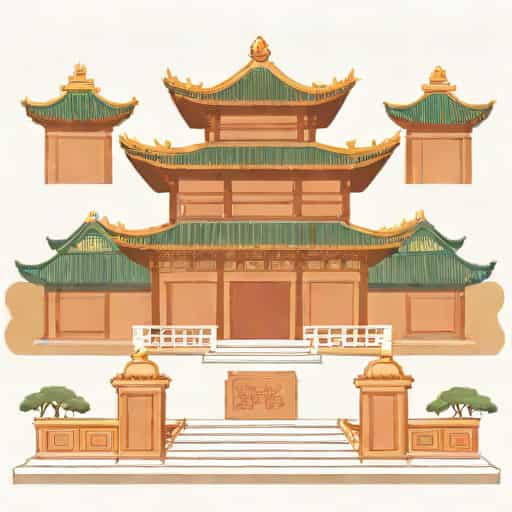
The name Xin Dynasty Architectural Decoration Company evokes a sense of both tradition and innovation a blend of China’s historical grandeur and modern architectural artistry. The Xin Dynasty itself, though short-lived, is remembered for its unique contributions to governance and culture, and when a modern company adopts its name, it suggests a deep respect for craftsmanship and cultural heritage. Companies in China that specialize in architectural decoration often draw inspiration from historical dynasties, and a firm named after the Xin Dynasty would likely focus on merging classical Chinese elements with modern design standards. Through its work, such a company would aim to preserve the spirit of ancient architecture while adapting it for contemporary spaces and structures.
The Concept Behind Xin Dynasty Architectural Decoration Company
Architectural decoration is more than surface beauty it’s a statement about identity, culture, and craftsmanship. A company like Xin Dynasty Architectural Decoration Company would likely specialize in transforming architectural spaces through design that celebrates both artistic expression and structural integrity. By using a name associated with a transformative era in Chinese history, the company might emphasize renewal and creativity within its business philosophy.
In practice, such a company could operate across multiple sectors, including interior design, building restoration, luxury residential decoration, and commercial projects. Each of these fields demands not only technical expertise but also cultural sensitivity. The company’s designers might combine ancient Chinese motifs, such as dragon carvings or cloud patterns, with contemporary materials like glass, steel, and LED lighting, creating spaces that bridge the past and the future.
Architectural Philosophy and Design Principles
The philosophy of an architectural decoration firm rooted in cultural identity revolves around balance balance between functionality and aesthetics, between modern construction and historical reverence. The Xin Dynasty Architectural Decoration Company would likely embrace principles such as harmony, symmetry, and natural flow, reflecting classical Chinese ideas found in ancient palaces, temples, and gardens.
In traditional Chinese architecture, decoration is never random. Every ornament has meaning the color red symbolizes prosperity and joy, golden tones reflect imperial dignity, and intricate latticework represents protection and unity. Applying these symbolic elements within modern projects allows the company to craft environments that feel both luxurious and culturally grounded.
Incorporating Traditional Chinese Elements
To honor its namesake, the Xin Dynasty Architectural Decoration Company would integrate design motifs inspired by ancient dynasties not only from the Xin period but also from the Han, Tang, and Ming dynasties. These could include
- Roof OrnamentsTraditional upturned eaves and decorative ridge beasts that convey spiritual protection and artistic grace.
- Wood CarvingsIntricate designs on doors, panels, and furniture featuring flora, fauna, or mythological creatures like phoenixes and dragons.
- Stone and Ceramic DetailsUse of porcelain tiles, calligraphic stone plaques, or carved pillars to add both durability and cultural symbolism.
- Color HarmonyA balanced use of red, gold, jade green, and earth tones colors traditionally associated with luck, wealth, and stability.
By reinterpreting these elements through modern techniques, such as digital modeling or sustainable material use, the company could maintain historical authenticity while ensuring that its projects meet modern standards of comfort and efficiency.
Services Offered by the Company
Decorative architecture encompasses a wide range of services, and the Xin Dynasty Architectural Decoration Company would likely provide end-to-end solutions from conceptualization to completion. These services might include
- Interior Design and RenovationTransforming interior spaces through color schemes, textures, and lighting that reflect both cultural and modern influences.
- Architectural RestorationPreserving and revitalizing historical structures while ensuring they meet safety and design regulations.
- Exterior Facade DesignEnhancing building exteriors with artistic finishes that combine modern materials with traditional decorative elements.
- Commercial and Residential ProjectsCustom design solutions for offices, hotels, restaurants, and private homes, each tailored to the client’s vision and cultural context.
- Art and Sculpture IntegrationCollaborating with local artisans to produce sculptures, murals, or installations that serve as focal points in architectural design.
Such comprehensive offerings would allow the company to appeal to both domestic and international clients who appreciate the combination of artistic elegance and architectural precision.
Innovation and Modern Adaptation
While rooted in tradition, a successful architectural decoration company must also look forward. The Xin Dynasty Architectural Decoration Company would integrate modern technologies like 3D modeling, computer-aided design (CAD), and sustainable construction materials into its workflow. These innovations allow designers to experiment with forms, test durability, and visualize how light interacts with materials before construction even begins.
Sustainability would likely be a major focus as well. In modern architecture, environmental awareness plays a crucial role, and decorative design can contribute to eco-friendly practices through material choices and energy-efficient structures. The company might employ bamboo, reclaimed wood, and low-carbon concrete, all while maintaining aesthetic appeal. Solar-integrated decorative panels, for instance, could combine beauty with utility, offering both ornamentation and function.
The Cultural and Historical Inspiration of the Xin Dynasty
The Xin Dynasty (9 23 CE) was a brief but significant interlude in Chinese history. Founded by Wang Mang, it represented a bold attempt at reform and renewal, though it eventually gave way to the restoration of the Han Dynasty. Despite its short reign, the Xin period has symbolic importance it stands for transition, innovation, and a willingness to challenge the old order.
For an architectural decoration company, these values can serve as powerful inspiration. Just as Wang Mang sought to reform and redefine governance, the Xin Dynasty Architectural Decoration Company could reinterpret the architectural traditions of the past for the modern world. This symbolic connection reinforces the brand’s identity as one that values progress while respecting history.
Modern Cultural Projects
In the current era, cultural architecture in China is experiencing a revival. Projects like museums, cultural centers, and public parks increasingly seek designs that reflect national heritage. A company inspired by the Xin Dynasty could play a central role in these efforts, creating environments that educate and inspire visitors while preserving aesthetic authenticity.
For example, a modern museum could feature interior elements modeled after ancient palatial halls, with decorative motifs that mirror those used in the Han and Xin dynasties. Similarly, hotels and cultural resorts could adopt thematic design inspired by imperial gardens, integrating traditional pavilions, stone pathways, and water features into modern structures.
Global Reach and Influence
With China’s growing global influence, companies specializing in architectural decoration have found increasing opportunities abroad. The Xin Dynasty Architectural Decoration Company could expand its reach by working on international projects that require a touch of Asian artistry. Luxury hotels, cultural pavilions, and diplomatic buildings often seek design elements that convey cultural sophistication and timeless elegance areas where Chinese architectural decoration excels.
By promoting the artistry of traditional Chinese design on the global stage, the company would not only grow its brand but also contribute to cross-cultural exchange. Each project would serve as a bridge between Eastern philosophy and global architectural trends, highlighting how ancient aesthetics can harmonize with modern living.
Challenges and the Future of Decorative Architecture
Despite its potential, the field of architectural decoration faces challenges such as balancing cost, maintaining authenticity, and meeting environmental standards. The Xin Dynasty Architectural Decoration Company would need to continuously adapt to changing client expectations and international design trends while staying true to its cultural roots. Achieving this balance requires skilled craftsmanship, strategic leadership, and a deep understanding of both art and architecture.
As technology continues to reshape the construction industry, decorative architecture must also evolve. Artificial intelligence, automation, and virtual reality could revolutionize how designs are conceptualized and presented. For a company like Xin Dynasty Architectural Decoration, these tools could make the creative process more efficient while enhancing artistic quality. Clients could experience immersive 3D walkthroughs of their future spaces, ensuring satisfaction and precision before a single brick is laid.
The Xin Dynasty Architectural Decoration Company represents more than just a business; it symbolizes a philosophy the fusion of history and innovation. By drawing inspiration from China’s rich architectural heritage and embracing modern technologies, such a company could redefine how cultural artistry integrates with contemporary design. Whether restoring ancient temples, designing luxury residences, or building global landmarks, its work would stand as a testament to balance, creativity, and the enduring power of cultural identity. In every detail, from carved wood to modern glass, the spirit of the Xin Dynasty would live on not as a relic of the past, but as a foundation for the architecture of the future.