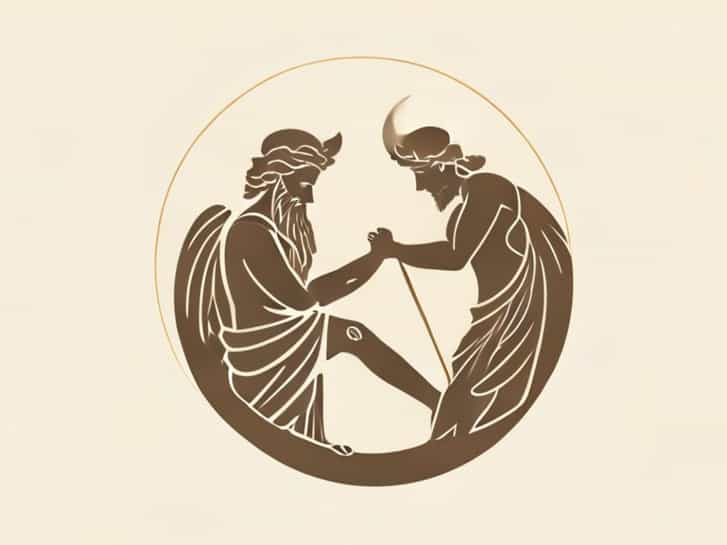
In Greek mythology, the story of Phaethon is a tragic tale of ambition, recklessness, and the consequences of overreaching. Phaethon, the mortal son of the sun god Helios, sought to prove his divine lineage by driving his father’s chariot across the sky. His lack of experience and the inability to control the powerful horses led to disastrous results. In some versions of the myth, Hermes, the messenger god known for his swiftness and cunning, was tasked with searching for Phaethon after he went missing or after the chariot incident became critical. Understanding where Hermes was supposed to search for Phaethon provides insight into the story’s structure and the symbolic elements of Greek mythology, highlighting themes of guidance, divine intervention, and human error.
The Role of Hermes in Greek Mythology
Hermes is one of the most versatile gods in Greek mythology. He serves as a messenger for the Olympian gods, a guide for souls to the underworld, and a protector of travelers, merchants, and thieves. His attributes include speed, intelligence, and the ability to move freely between worlds. These qualities made Hermes the ideal divine figure to be sent in search of someone like Phaethon, who was often depicted as being in danger or lost due to his reckless handling of the sun chariot. By assigning Hermes the task, the myths emphasize the need for swiftness, guidance, and the intervention of higher powers in preventing tragedy or resolving crises.
Hermes’ Mission to Find Phaethon
According to some accounts, after Phaethon attempted to drive the sun chariot and lost control, chaos ensued across the earth. The sky scorched the lands, rivers dried, and humans were in danger. In response, the gods decided that someone needed to locate Phaethon, either to stop him or to assess the damage. Hermes, known for his speed and cleverness, was tasked with this mission. The exact location of where Hermes was supposed to search depends on different versions of the myth, but generally, it involved the realm where the chariot had gone out of control, traveling across the heavens, earth, and possibly near the river Eridanos where Phaethon ultimately fell.
Where Hermes Was Supposed to Search
In the myth, Hermes’ search for Phaethon would take him to extreme and often symbolic locations. The journey was not just physical but also allegorical, reflecting the consequences of Phaethon’s hubris. One of the key locations mentioned is the river Eridanos, which is often cited as the place where Phaethon fell after losing control of the sun chariot. Some versions suggest that Hermes had to scour the skies, the horizon, and the earth below to find the boy, symbolizing the god’s role as a mediator between the divine and mortal realms. This journey underscores the interconnectedness of gods and humans in Greek myths, as well as the themes of accountability and divine oversight.
The Sky and the Chariot’s Path
Since Phaethon’s misadventure involved driving the sun chariot across the heavens, Hermes’ search would naturally extend into the sky. He was expected to trace the path of the chariot, observing the areas scorched by the sun’s uncontrolled movement. This celestial search emphasizes the expansive nature of Phaethon’s mistake, as well as the necessity of divine intervention to restore balance. It is important to note that in Greek mythology, physical and metaphorical locations often overlap, so the search involved both tracking the consequences of Phaethon’s actions and attempting to locate him physically before more destruction occurred.
The Symbolic Meaning of the Search
Hermes’ mission to find Phaethon also carries symbolic significance. Searching for Phaethon represents the effort of reason, guidance, and divine wisdom to mitigate the effects of human recklessness. Phaethon’s ambition and overconfidence resulted in near-catastrophic consequences for both the natural and mortal worlds. By sending Hermes, the myth illustrates that guidance, speed, and intelligence are necessary to manage situations beyond human control. In this way, the search for Phaethon becomes more than a literal quest-it serves as a metaphor for the need for intervention, learning from mistakes, and restoring balance between human actions and cosmic order.
Consequences of Phaethon’s Fall
Ultimately, Phaethon’s fall from the sun chariot into the river Eridanos led to his death and the transformation of natural landscapes, with myths often explaining the creation of deserts and scorched lands. Hermes’ involvement highlights the role of the gods in mitigating human folly, even if they cannot entirely prevent the consequences of reckless ambition. The search underscores the urgency and seriousness of Phaethon’s actions, showing that divine oversight attempts to intervene when mortal decisions disrupt the natural order.
Variations of the Myth
Different sources present slight variations in where Hermes was supposed to search for Phaethon. Some accounts focus on the sky and the path of the sun chariot, while others emphasize the earthly locations affected by Phaethon’s uncontrolled journey. The river Eridanos is consistently mentioned as the final destination where Phaethon fell, but Hermes’ search would have been broader, symbolically encompassing both the heavens and the earth. These variations highlight the richness of Greek mythology and the flexibility of storytelling, allowing for multiple interpretations and moral lessons.
Lessons from Hermes’ Search
- The importance of guidance and wisdom when dealing with powerful forces.
- The consequences of overconfidence and reckless ambition.
- The interconnectedness of divine and mortal actions in Greek mythology.
- The role of intervention to restore balance and prevent greater harm.
The question of where Hermes was supposed to search for Phaethon takes us into the heart of Greek mythology, where gods and mortals interact in complex ways. Hermes’ mission involved tracing the path of Phaethon’s sun chariot through the sky and examining the places on earth affected by his loss of control, ultimately focusing on the river Eridanos where Phaethon fell. This search is symbolic of divine intervention, the need for wisdom and guidance, and the consequences of human recklessness. By understanding the locations and significance of Hermes’ search, readers gain insight into the myth’s moral lessons, the interplay between gods and humans, and the enduring fascination with stories that blend adventure, tragedy, and cosmic order.