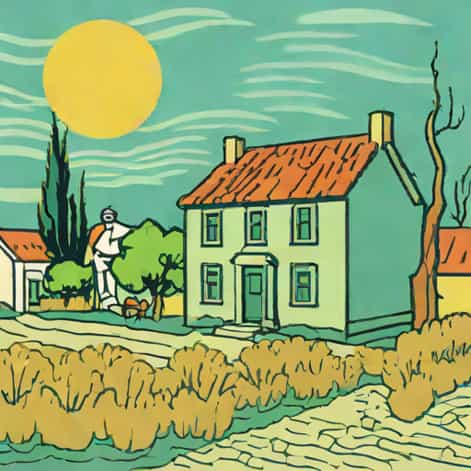
Among the many art destinations in Europe, one of the most celebrated is the Van Gogh Museum. This world-renowned institution holds the largest collection of works by the Dutch artist Vincent van Gogh, offering visitors an intimate look into his life, creativity, and struggles. For art lovers planning a visit, one common question arises where is the Van Gogh Museum located, and what makes its setting so special? The answer leads us to the cultural heart of the Netherlands, where art and history blend beautifully in one of Amsterdam’s most iconic neighborhoods.
Location of the Van Gogh Museum
The Van Gogh Museum is located inAmsterdam, the capital city of the Netherlands. More precisely, it stands atMuseumplein(Museum Square), a large open space in the southern part of the city that serves as the cultural center of Amsterdam. The museum’s exact address isMuseumplein 6, 1071 DJ Amsterdam, Netherlands.
This prime location places the Van Gogh Museum alongside other world-famous institutions such as the Rijksmuseum and the Stedelijk Museum, creating a vibrant artistic hub that attracts millions of visitors each year. The Museumplein area is also surrounded by green lawns, fountains, and cafés, making it not only a destination for art but also a relaxing place to spend the day.
Why the Location Matters
Being situated in Museumplein is not just a matter of convenience it represents Van Gogh’s lasting influence on Dutch culture and art history. Amsterdam, as the capital of the Netherlands, is deeply connected to Van Gogh’s legacy. Although Vincent van Gogh spent parts of his life in various European countries, including France and Belgium, he was born in the Netherlands, and much of his early artistic development took place there.
The location of the museum also allows visitors to explore the broader context of Dutch art. Nearby, the Rijksmuseum showcases masterpieces from earlier Dutch painters such as Rembrandt and Vermeer. Together, these museums provide a complete journey through centuries of Dutch creativity, from the Golden Age to the modern era.
How to Get to the Van Gogh Museum
Because of its central location in Amsterdam, reaching the Van Gogh Museum is simple whether you are traveling by public transport, bike, or on foot. Amsterdam’s efficient infrastructure makes it accessible for both locals and international visitors.
By Public Transport
- From Amsterdam Central StationTake tram number 2 or 12 to the stop Van Baerlestraat. The museum is just a short walk from there.
- From other parts of AmsterdamSeveral trams and buses connect directly to Museumplein. Tram lines 3, 5, and 12, as well as bus lines 170 and 172, serve the area regularly.
- From Schiphol AirportTake bus 397 to the stop Museumplein. The journey takes around 30 minutes.
By Bike
Amsterdam is one of the most bike-friendly cities in the world, and cycling to the Van Gogh Museum is a common choice for locals and tourists alike. There are designated bike paths leading to Museumplein and convenient parking areas nearby.
By Foot or Car
If you’re staying in central Amsterdam, you can easily reach the museum on foot within 20 to 30 minutes from most central locations. For those driving, several paid parking garages are located around Museumplein, such as the Q-Park Museumplein garage.
Architecture and Design of the Museum
The Van Gogh Museum is more than just a place to view art; it’s an architectural landmark in its own right. The original building was designed by Gerrit Rietveld, a renowned Dutch architect associated with the De Stijl movement. His design, completed in 1973, emphasizes simplicity, functionality, and the harmonious use of space qualities that reflect Van Gogh’s artistic philosophy.
In 1999, the museum expanded with the addition of an exhibition wing designed by Japanese architect Kisho Kurokawa. This modern, curved glass structure complements the original building and provides additional gallery space for temporary exhibitions. Together, the two structures represent a blend of traditional Dutch design and modern international architecture, mirroring the global influence of Van Gogh’s work.
What Visitors Can Expect Inside
Inside the Van Gogh Museum, visitors can explore more than 200 paintings, 500 drawings, and hundreds of letters by Vincent van Gogh. The collection traces his artistic journey from his early Dutch landscapes to his final, emotionally charged works created in France. Some of the museum’s most famous pieces include
- The Potato Eaters(1885) a dark, powerful depiction of rural life.
- Sunflowers(1889) one of Van Gogh’s most iconic series, celebrated for its color and energy.
- Bedroom in Arles(1888) offering a glimpse into Van Gogh’s personal world.
- Wheatfield with Crows(1890) often interpreted as one of his final and most emotional works.
Beyond paintings, the museum also displays personal letters written by Van Gogh to his brother Theo, revealing his thoughts about art, mental health, and his relentless pursuit of meaning through painting.
Surrounding Attractions near Museumplein
While the Van Gogh Museum is the highlight of Museumplein, the area offers much more to explore. Visitors can easily spend an entire day enjoying nearby attractions, such as
- RijksmuseumHome to Dutch masterpieces like Rembrandt’sThe Night Watchand Vermeer’sGirl with a Pearl Earring.
- Stedelijk MuseumDedicated to modern and contemporary art, featuring works by artists such as Mondrian, Picasso, and Warhol.
- ConcertgebouwOne of the world’s most famous concert halls, located directly opposite the museum, known for its classical music performances.
- VondelparkA large, lush park nearby, perfect for a stroll or a picnic after visiting the museums.
These attractions make the Van Gogh Museum part of a broader cultural experience, allowing visitors to connect art, history, and everyday life in Amsterdam.
When to Visit the Van Gogh Museum
The museum is open year-round, but the best time to visit depends on your preferences. Amsterdam’s peak tourist season is from April to September, when the weather is mild and the city is full of outdoor activities. During these months, the museum can be quite busy, so visiting early in the morning or late in the afternoon is recommended.
For those who prefer quieter visits, the winter months (November through February) offer fewer crowds and a more intimate atmosphere inside the galleries. Regardless of the season, it’s advisable to book tickets in advance, as entry slots can sell out quickly, especially on weekends and holidays.
The Significance of the Museum
Beyond its physical location, the Van Gogh Museum represents the enduring power of art to connect people across cultures and generations. It stands as a tribute not only to Vincent van Gogh’s genius but also to the passion of those who preserved his legacy particularly his brother Theo and Theo’s wife, Johanna van Gogh-Bonger, who played a crucial role in promoting his work after his death.
The museum’s location in Amsterdam makes it a symbol of national pride and an anchor for global art tourism. Millions of people visit each year, drawn by Van Gogh’s story of struggle, resilience, and creativity. His art continues to inspire discussions about mental health, beauty, and the human condition themes that remain timeless.
So, where is the Van Gogh Museum? It stands proudly in the heart of Amsterdam, on Museumplein, surrounded by other cultural landmarks and the vibrant spirit of Dutch art. More than just a building filled with paintings, the museum is a place of reflection, inspiration, and emotional connection. Whether you are an art lover, a casual tourist, or someone curious about Van Gogh’s remarkable life, visiting this museum offers an unforgettable experience. Its location, history, and atmosphere make it not only a cornerstone of Amsterdam’s cultural identity but also a must-see destination for anyone exploring the world of art.