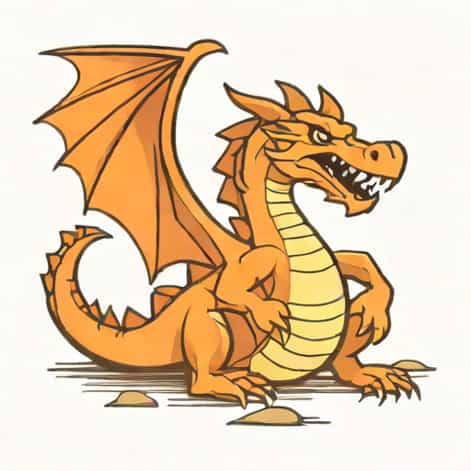
The Cannibal Dragon is a mysterious and intriguing creature that has captured the imagination of adventurers, cryptozoologists, and fantasy enthusiasts alike. Known for its legendary status and fearsome reputation, the Cannibal Dragon has become a topic of discussion in various myths, video games, and fictional accounts. Understanding where the Cannibal Dragon is located requires exploring its origins, habitats in literature and media, and the cultural context that has given rise to stories about this fearsome beast. The idea of a dragon that consumes not only prey but also its own kind adds layers of fascination and horror, making it a unique subject in fantasy and folklore.
Origins of the Cannibal Dragon
The Cannibal Dragon does not exist in the natural world but is a creation of mythology, gaming, and fantasy storytelling. Its origins can be traced back to imaginative literature and role-playing games, where dragons are depicted as powerful and often morally complex creatures. The term cannibal adds a layer of menace, suggesting a dragon that feeds on other dragons, elevating its status as a top predator in fictional ecosystems. Writers and game designers often place such creatures in remote or dangerous environments to heighten the sense of danger and mystery surrounding them.
Mythological Influences
The concept of dragons consuming other dragons is rooted in symbolic storytelling, where cannibalism represents ultimate dominance and survival of the fittest. In mythology, dragons are often associated with greed, power, and destruction, and adding the trait of cannibalism amplifies these characteristics. Legends from various cultures, including European and Asian myths, depict dragons as intelligent, fearsome, and sometimes malevolent beings. While the Cannibal Dragon itself is a modern adaptation, these mythological roots provide the foundation for its character and behavior in contemporary narratives.
Habitat and Location in Fiction
In literature, role-playing games, and video games, the Cannibal Dragon is typically found in remote, hostile, or magically enchanted environments. These locations are carefully designed to reflect the dragon’s predatory nature and to create challenging experiences for adventurers or players encountering it. The environments may include volcanic mountains, ancient ruins, dense forests, or hidden caves where the dragon can remain elusive yet dominant.
Video Game Appearances
One of the most notable appearances of the Cannibal Dragon is in fantasy video games, where it often serves as a powerful boss or endgame creature. Its location is usually designed to provide both a narrative and gameplay challenge, requiring players to understand its behavior, weaknesses, and strengths. Games often depict the Cannibal Dragon as guarding valuable treasures or sacred artifacts, enhancing the motivation for players to locate and confront it. Its lair is often shrouded in danger, traps, and environmental hazards, emphasizing its formidable nature.
Role in Storytelling
In fictional narratives, the Cannibal Dragon is usually situated in remote or isolated regions that reinforce its dominance over its surroundings. Writers often use its location as a plot device to create tension, fear, and a sense of adventure. The dragon’s lair may be hidden in treacherous landscapes, surrounded by natural barriers like cliffs, rivers, or enchanted forests, making it difficult for characters to access. These settings enhance the dragon’s mystique and establish it as a formidable presence in the story.
Behavior and Characteristics
The defining characteristic of the Cannibal Dragon is, of course, its cannibalistic behavior. Unlike ordinary dragons that hunt other species, this dragon feeds on its own kind, suggesting a high level of aggression and territorial dominance. Its behavior in fictional settings is often unpredictable, making it a challenging opponent for heroes or players. The cannibalistic trait also emphasizes survival instincts, cunning, and intelligence, positioning it at the top of the fictional food chain.
Physical Appearance
- Typically portrayed as larger and more powerful than ordinary dragons, emphasizing its dominance.
- May have unique markings, scars, or coloration that distinguish it from other dragons.
- Its appearance is designed to instill fear and awe, often featuring massive wings, sharp claws, and fiery breath.
Predatory Tactics
The Cannibal Dragon is often depicted as a strategic predator, using intelligence to ambush prey and defend its territory. In games and stories, it may employ stealth, traps, or environmental advantages to overpower other dragons or intruders. Its cannibalistic behavior not only emphasizes its strength but also its cunning, making it a memorable and formidable creature in any narrative.
Locations Across Media
The Cannibal Dragon appears in a variety of media, each providing unique interpretations of its location and behavior. In video games, it may inhabit a hidden dungeon, a mountain peak, or a cursed forest. In novels or tabletop games, authors describe ancient ruins, remote islands, or mystical landscapes as the dragon’s domain. The specific location often serves to enhance the creature’s legendary status, creating a sense of mystery and danger that captivates audiences.
Significance of Its Location
- The dragon’s location reinforces its status as a top predator and master of its environment.
- Remote and dangerous habitats provide narrative opportunities for heroism, exploration, and conflict.
- Hidden lairs or secluded regions emphasize the challenge of finding and confronting the Cannibal Dragon.
Cultural Impact
The Cannibal Dragon has become a symbol of ultimate power and danger in fantasy culture. Its reputation as a creature that even preys on its own kind adds depth to the concept of dragons in modern storytelling. Fans of fantasy literature, tabletop games, and video games often seek out stories or encounters involving this dragon due to its rarity, difficulty, and fearsome reputation. The creature’s location, behavior, and characteristics contribute to its enduring appeal and iconic status in fantasy lore.
Inspiration for Creators
Authors, game designers, and artists draw inspiration from the Cannibal Dragon to create compelling narratives, challenging gameplay, and captivating illustrations. Its remote and hazardous habitats provide opportunities to design immersive worlds, and its predatory nature allows for exciting conflicts and plot developments. The dragon’s presence in these settings reinforces themes of survival, dominance, and the consequences of power, resonating with audiences across different forms of media.
The Cannibal Dragon, though a fictional and mythical creature, occupies a significant place in fantasy storytelling, video games, and imaginative narratives. Its location is typically depicted in remote, dangerous, and mystical environments that highlight its dominance and predatory nature. From volcanic mountains to enchanted forests and hidden dungeons, the habitats of the Cannibal Dragon enhance its legendary status and the challenges associated with encountering it. Understanding where the Cannibal Dragon is located in various media helps fans and players appreciate the design, strategy, and storytelling elements that make this creature iconic.
The Cannibal Dragon represents more than just a fearsome predator; it symbolizes power, intelligence, and survival instincts elevated to the extreme. Its origin in mythology and modern fantasy media has created a unique character that continues to fascinate audiences. The dragon’s lair and environment are integral to its story, providing both a sense of mystery and a setting for heroic or adventurous encounters. Whether in books, games, or role-playing adventures, the Cannibal Dragon remains a compelling and unforgettable creature whose location and characteristics define its place in fantasy lore.
Overall, the Cannibal Dragon’s location is not fixed to a single place but varies across fictional worlds, each carefully designed to reflect the creature’s strength, cunning, and danger. Its habitats, from isolated mountains to enchanted caves, serve as a backdrop for adventure and exploration, emphasizing the dragon’s dominance and the challenge it presents to those who seek it. By understanding its fictional location and characteristics, fans and creators can fully appreciate the allure and mystique of the Cannibal Dragon in the world of fantasy storytelling.