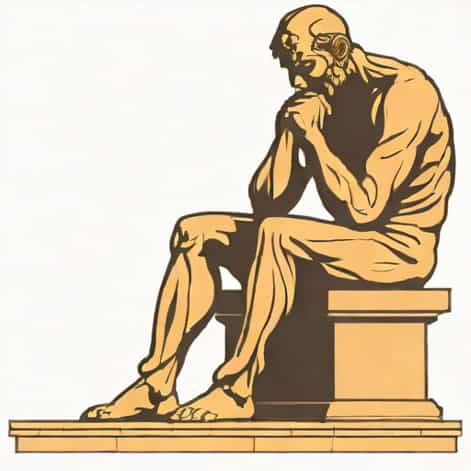
Auguste Rodin’s The Thinker is one of the most iconic sculptures in the history of art, representing human contemplation and intellectual introspection. Originally conceived as part of a larger work called The Gates of Hell, the sculpture has transcended its original context to become a symbol of philosophy, creativity, and reflection. Understanding where The Thinker is located, its history, and its various casts around the world provides insight into why this work continues to captivate audiences more than a century after it was created.
The Original Location of The Thinker
The original bronze cast of The Thinker was created by French sculptor Auguste Rodin in 1904. Initially, it was intended to be part of his monumental project The Gates of Hell, inspired by Dante Alighieri’s Divine Comedy. The sculpture depicts a man in deep contemplation, sitting with his chin resting on his hand, embodying the act of intellectual reflection. The first cast of The Thinker was installed at the Musée Rodin in Paris, where it remains one of the museum’s most celebrated works. The museum itself, housed in the Hôtel Biron, provides visitors with a comprehensive view of Rodin’s life, works, and artistic legacy.
The Musée Rodin in Paris
The Musée Rodin is the primary home of the original The Thinker and is located in the 7th arrondissement of Paris, near the Hôtel des Invalides. The museum contains not only The Thinker but also other masterpieces by Rodin, such as The Kiss and The Burghers of Calais. The sculpture is displayed in the museum’s gardens, allowing visitors to view it in a natural setting that complements Rodin’s artistic vision. This outdoor presentation emphasizes the sculpture’s monumental scale and allows light and shadow to interact with the bronze surface throughout the day.
Other Casts and Locations Worldwide
Due to the popularity and significance of The Thinker, multiple authorized casts have been made and placed in museums, universities, and public spaces around the world. These casts allow a wider audience to experience Rodin’s work, making The Thinker accessible beyond Paris.
Notable International Locations
- Rodin Museum, PhiladelphiaThis museum holds a large cast of The Thinker, prominently displayed in the museum’s sculpture garden.
- Museo Soumaya, Mexico CityVisitors can view a cast of The Thinker within the museum’s modern and architecturally striking building.
- Legion of Honor, San FranciscoA cast is installed in the outdoor gardens of this fine arts museum, offering a contemplative experience amidst the California landscape.
- Columbia University, New YorkA cast of The Thinker stands in front of the Low Memorial Library, linking the theme of intellectual reflection with the academic environment.
Public Installations
In addition to museum collections, many cities have displayed casts of The Thinker in public spaces. These public installations often emphasize the universal appeal of Rodin’s depiction of thought and human introspection. For example, casts can be found in Copenhagen, Berlin, and Tokyo, allowing local communities to engage with the artwork in a shared environment. Public access enhances the sculpture’s cultural impact, inviting reflection on philosophy, creativity, and the human condition.
History and Creation
The Thinker was initially conceived as part of The Gates of Hell, a monumental sculptural project that Rodin began in 1880. The figure was intended to represent Dante pondering his epic poem, yet over time it evolved into a universal symbol of contemplation. Rodin’s attention to anatomical detail and expressive posture captures the psychological tension of deep thought. The sculpture stands approximately six feet tall in the original bronze cast, though many casts vary in size, some smaller for private collections and some monumental for public display.
Artistic Significance
Rodin’s The Thinker broke with classical sculpture traditions by emphasizing emotion and thought rather than idealized beauty alone. The sculpture’s muscular tension and realistic anatomy convey both physical and mental effort, demonstrating how reflection can be as intense and demanding as physical labor. The Thinker has inspired countless artists, philosophers, and writers, reinforcing its status as a symbol of intellectual endeavor across disciplines.
Visiting The Thinker
Those wishing to see the original or authorized casts of The Thinker have multiple options worldwide. Visiting the Musée Rodin in Paris provides the most complete experience, as the museum houses the original work along with sketches, maquettes, and other sculptures by Rodin. Museum visitors can enjoy both indoor galleries and outdoor gardens where the sculpture is prominently displayed. Meanwhile, international casts offer opportunities to experience the sculpture in different cultural and environmental contexts, from urban plazas to serene garden settings.
Tips for Visitors
- Check museum hours in advance, as many locations have seasonal variations.
- Take time to observe the sculpture from different angles to appreciate Rodin’s attention to detail and composition.
- Visit nearby works by Rodin to understand the broader context of The Thinker within his artistic oeuvre.
- For public installations, explore the surrounding environment, which often complements the theme of contemplation.
Cultural Impact
The Thinker has become a symbol beyond the art world. It is widely recognized in popular culture, appearing in films, literature, and advertisements as a representation of deep thought and human reflection. Its universal appeal lies in the way it captures a moment of intellectual engagement, encouraging viewers to pause and consider their own thoughts and decisions. Educational institutions and philosophical organizations often use images of The Thinker to represent critical thinking, study, and introspection.
Symbolism
The sculpture symbolizes the human quest for knowledge and understanding. Its contemplative pose suggests that profound thought requires focus, solitude, and sometimes struggle. Over the years, The Thinker has inspired discussions on the relationship between body and mind, illustrating how physical form can express complex psychological states. The enduring relevance of the sculpture speaks to Rodin’s genius in capturing both the universal and deeply personal aspects of human experience.
Auguste Rodin’s The Thinker is located primarily at the Musée Rodin in Paris, where the original bronze cast is displayed. However, multiple authorized casts exist worldwide, allowing audiences across continents to engage with this iconic sculpture. Its creation, rooted in the larger work The Gates of Hell, highlights Rodin’s innovative approach to art, emphasizing both intellectual and physical expression. From museum collections to public installations, The Thinker continues to captivate viewers, inviting reflection on human thought, philosophy, and creativity.
Understanding where The Thinker is located and exploring its history enhances appreciation for one of the most influential sculptures of modern art. Whether viewed in Paris, New York, San Francisco, or other international sites, the sculpture maintains its powerful impact, symbolizing contemplation, knowledge, and the enduring human spirit. Its widespread presence in museums and public spaces ensures that Rodin’s vision continues to inspire curiosity, intellectual exploration, and artistic admiration for generations to come.
In summary, The Thinker is not only a masterpiece of bronze sculpture but also a cultural icon whose locations around the world allow audiences to connect with Rodin’s exploration of human thought. By visiting the original or authorized casts, individuals can experience firsthand the profound intensity of the figure and gain insight into the artistic, historical, and symbolic significance of this timeless work.