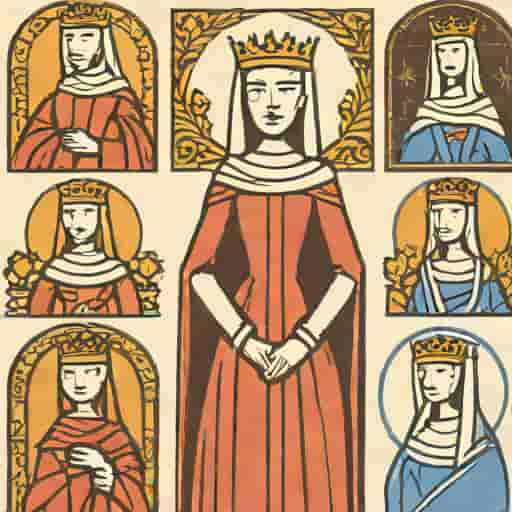
In the Middle Ages, noblewomen occupied a unique position within European society, enjoying privileges and responsibilities that distinguished them from peasants and commoners. Their lives were shaped by the feudal system, family alliances, and the expectations of both men and society at large. Noblewomen were often educated, cultured, and skilled in various domestic and social arts, yet they were also constrained by gender norms and political obligations. Their roles extended beyond the household, influencing estates, courts, and even politics. Understanding what noblewomen were like in the Middle Ages provides insight into the social, cultural, and economic fabric of medieval Europe, highlighting both the opportunities and limitations they faced.
Roles and Responsibilities of Noblewomen
Noblewomen in the Middle Ages had a variety of roles that reflected their status and the hierarchical society in which they lived. While they were expected to manage households and care for their families, their influence often extended into political, economic, and social spheres. They were responsible for supervising servants, managing estates, and ensuring the smooth functioning of the household. In some cases, noblewomen acted as regents or advisors when their husbands were away at war, demonstrating their capacity for leadership and governance.
Domestic Management
Managing a noble household was a significant responsibility. Noblewomen oversaw kitchens, food preparation, clothing, and the work of numerous servants. They also ensured that children were educated, particularly in manners, religion, and basic literacy. This management required organizational skills, knowledge of economics, and the ability to resolve conflicts within the household. Domestic duties were a central part of their lives, but they were often coupled with responsibilities that extended beyond the home.
Political Influence
Many noblewomen wielded influence in political matters, either directly or indirectly. Marriages were frequently arranged to secure alliances, and women could act as intermediaries in negotiations between families or even kingdoms. Some noblewomen became regents, ruling in place of absent or underage male relatives. Figures such as Eleanor of Aquitaine exemplify how noblewomen could exercise political authority and shape historical events. Even when their power was subtle, noblewomen played crucial roles in maintaining alliances, advising husbands, and managing estates strategically.
Education and Cultural Life
Education for noblewomen was more accessible than for lower-class women, although it still focused on specific skills and areas of knowledge. Reading, writing, music, embroidery, and religious studies were common components of their education. Literacy allowed noblewomen to manage household accounts, correspond with other nobles, and engage in cultural and intellectual pursuits. Some noblewomen became patrons of the arts, commissioning manuscripts, supporting artists, and fostering cultural development. Their education enabled them to participate in courtly life and maintain their social status effectively.
Religious Life
Religion was central to the lives of noblewomen in the Middle Ages. Many noblewomen were deeply involved in religious practices, charitable activities, and the patronage of monasteries or churches. Some chose or were encouraged to enter convents, where they could receive further education, serve their communities, and exercise authority within the religious institution. Religious devotion shaped moral expectations, daily routines, and even marriage arrangements, emphasizing the importance of piety and virtue alongside other social roles.
Marriage and Family Life
Marriage was a critical aspect of a noblewoman’s life, often arranged for political, economic, or social reasons. Noblewomen were expected to marry strategically, strengthening alliances between families and securing property or influence. They were responsible for producing heirs and maintaining the lineage, which was considered one of their primary duties. While some marriages were loving, others were pragmatic arrangements where the woman’s social and political skills were more valuable than personal affection. Children, particularly sons, were central to a noblewoman’s status, and their upbringing was a significant responsibility.
Marriage Alliances
Noblewomen’s marriages were often carefully planned to consolidate power and wealth. Dowries, inheritance rights, and family prestige played important roles in these decisions. Marriages were strategic tools to strengthen alliances, expand territories, and maintain influence across regions. Noblewomen needed to understand the political landscape and navigate social expectations, balancing loyalty to their birth families and their husband’s household. These alliances demonstrated how women were integral to maintaining and negotiating power structures in medieval society.
Daily Life and Social Expectations
The daily lives of noblewomen combined domestic duties, social activities, and cultural engagement. Their clothing, meals, and entertainment reflected their status and wealth, and they were expected to participate in courtly life, hosting guests, and attending ceremonies. Social behavior was strictly regulated, with noblewomen expected to uphold virtue, modesty, and obedience while managing the visibility of their influence. They were role models for younger women and representatives of their families’ prestige, making social performance a key aspect of their lives.
Leisure and Cultural Pursuits
Noblewomen often had access to leisure activities and intellectual pursuits unavailable to lower-class women. Music, dancing, literature, and embroidery were common pastimes that also served as markers of refinement and education. Storytelling and patronage of artists allowed noblewomen to contribute to cultural life and maintain their social status. These activities were not merely decorative; they reinforced social hierarchies and demonstrated the sophistication and capability expected of women in noble households.
Challenges and Limitations
Despite their privileges, noblewomen faced numerous limitations and challenges. They lived under strict social hierarchies that dictated behavior, marriage, and inheritance. Women could be marginalized in legal matters, excluded from direct political power, and limited by societal expectations of obedience and virtue. While some noblewomen found ways to exercise influence behind the scenes, they often had to navigate complex social norms to assert authority or independence. Balancing personal ambition with societal expectations was a delicate task for medieval noblewomen.
Impact of Gender Norms
Gender norms dictated many aspects of noblewomen’s lives, from education to property rights. While they could inherit property in some regions, legal systems often prioritized male heirs. Noblewomen had to rely on their intelligence, social skills, and networks to protect their interests and those of their children. Some women used marriage, alliances, or religious roles to circumvent restrictions and exert influence, demonstrating resourcefulness and adaptability in navigating a male-dominated society.
Legacy of Medieval Noblewomen
Noblewomen in the Middle Ages left a lasting impact on history and culture. Through their management of households, strategic marriages, cultural patronage, and occasional political authority, they shaped the social, economic, and artistic landscape of their time. While constrained by gender norms, many noblewomen found ways to exercise agency and leave legacies that influenced future generations. Their lives offer insights into the complexities of medieval society and the multifaceted roles women played in shaping history.
Lessons for Modern Society
Studying medieval noblewomen provides valuable lessons about the intersection of gender, power, and culture. Their ability to navigate restrictions, manage complex households, and contribute to political and cultural life illustrates resilience and adaptability. Understanding the balance of privilege and limitation in their lives helps modern readers appreciate the historical development of women’s roles and the ongoing struggle for gender equality. Noblewomen’s contributions, both visible and behind the scenes, remain an important part of European history and cultural heritage.
Noblewomen in the Middle Ages were complex figures who combined domestic responsibility, cultural refinement, and political influence in ways that reflected both privilege and limitation. Their lives were shaped by family alliances, social expectations, education, and religious devotion, creating a multifaceted existence that balanced personal agency with societal constraints. By managing households, participating in courtly life, influencing marriages, and sometimes exercising political authority, noblewomen demonstrated intelligence, resourcefulness, and adaptability. Understanding what noblewomen were like in the Middle Ages offers valuable insight into medieval society, gender roles, and the historical development of women’s influence, highlighting both the challenges and achievements of these remarkable women.