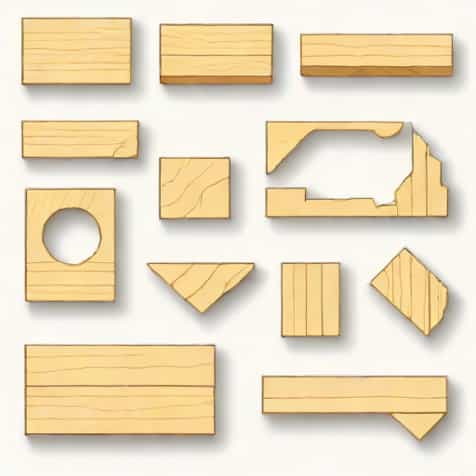
Balsa wood is known for being incredibly lightweight, easy to carve, and widely used in model building, crafting, architectural prototypes, and school projects. Because it is a soft wood, many people assume that any tool will cut it cleanly. However, choosing the right cutting tool makes a big difference in achieving smooth edges, precise shapes, and accurate measurements. Understanding what to cut balsa wood with helps prevent splintering, uneven cuts, and wasted material, especially when working on delicate or detailed projects.
Understanding the Nature of Balsa Wood
Balsa wood comes from the Ochroma tree and is often considered one of the softest commercial woods. It is favored for its strength-to-weight ratio and versatility. Because it can dent easily and split under uneven pressure, using a proper cutting method ensures a clean finish. The best tool depends on the thickness of the sheet, the level of detail required, and whether the project needs straight or curved cuts.
Knowing the right tools also helps reduce strain and improves overall safety. While thin sheets can be cut with simple hand tools, thicker blocks may require more specialized equipment. Before beginning any project, it is helpful to understand the advantages and limitations of each cutting option.
Common Tools Used to Cut Balsa Wood
Different tools provide different levels of precision, speed, and ease of use. Here are several tools commonly used by hobbyists, students, and professionals when working with balsa wood.
1. Craft Knives
Craft knives, such as hobby knives with replaceable blades, are among the most popular tools for cutting balsa wood. Their sharp blades allow for clean, accurate cuts, especially in thin sheets often used for model airplanes and miniature structures.
- Good for straight cuts
- Works best on thin to medium sheets
- Requires multiple light passes instead of one heavy cut
Using multiple gentle strokes helps avoid tearing the grain. A fresh blade is essential for maintaining smooth edges.
2. Utility Knives
Utility knives offer a slightly heavier and stronger blade. They are ideal when working with thicker sheets of balsa or when a craft knife does not provide enough force. While they can handle denser sections of wood, they still need a careful approach to prevent accidental pressure that may cause the wood to split.
- Better for medium-thick balsa
- Provides more power than a craft knife
- Requires a steady grip to maintain accuracy
3. Razor Saws
A razor saw is designed for very fine, controlled sawing and is excellent for cutting thicker or harder sections of balsa wood. It provides clean, straight lines and is especially useful in model building where precision is important.
- Ideal for thick blocks or structural pieces
- Minimal splintering compared to larger saws
- Suitable for cutting angles and joints
Unlike knives, a razor saw removes material rather than slicing through it, resulting in smooth edges that require little sanding.
4. Scroll Saws
Scroll saws are perfect for intricate, curved, or repetitive cuts. These electric tools make cutting balsa wood fast and efficient, especially when working with large sheets or detailed patterns.
- Best for curved cuts or designs
- Allows precision shaping
- Useful for large-volume work
Because balsa is soft, a scroll saw cuts through it with minimal resistance. Using a fine blade ensures clean edges and reduces vibration.
5. Laser Cutters
For high-precision projects, a laser cutter can offer extremely accurate results. Many hobbyists and design studios use them for architectural models or custom lettering. Laser cutters burn through the wood rather than slicing, creating detailed outputs.
- Provides perfect precision
- Suitable for complex patterns
- Requires proper ventilation due to smoke
While not everyone owns a laser cutter, makerspaces and craft workshops often provide access to this equipment.
Choosing the Right Tool for Your Balsa Project
Not every tool is appropriate for every piece of balsa wood. Choosing the right option depends on the material’s thickness, the desired shape, and the project’s level of detail.
For Thin Sheets
Thin balsa sheets, often 1-2 mm thick, are commonly used for gliders, school models, and craft decorations. A craft knife or hobby knife is usually the best choice. These tools make clean slices without causing the sheet to crack.
- Craft knives for straight lines
- Safety rulers to guide the blade
- Cutting mats to protect surfaces
For Medium Thickness
Medium balsa sheets, around 3-6 mm, may require a stronger blade or a razor saw. Using too much pressure with a knife can cause the wood to split, especially along the grain.
- Utility knives for controlled slicing
- Razor saws for structural pieces
For Thick Sheets and Blocks
Thicker blocks used in carving or architectural modelling need tools that can handle depth without compressing the wood.
- Razor saws for straight cuts
- Scroll saws for shaped designs
- Laser cutters for precision patterns
Thicker balsa tends to remain stable when sawed but may splinter if cut with dull tools.
Techniques for Cutting Balsa Wood Safely
In addition to choosing the correct tool, safe and proper cutting methods ensure better results and reduce waste. Balsa wood is fragile, so taking the right approach prevents damage and keeps cuts accurate.
Use Light Pressure
Whether using a knife or saw, heavy pressure may compress or split the wood. Light, repeated strokes help maintain clean lines and reduce wear on the blade.
Cut with the Grain When Possible
Balsa wood grain determines how the material behaves when cut. Cutting along the grain generally produces cleaner edges, while cutting against it may require slower movement and greater care.
Secure the Wood Properly
Clamps or weights prevent the wood from shifting while being cut. Movement can cause jagged edges or inaccurate angles, especially when working with small pieces.
Use a Sharp Blade
Balsa tends to tear when blades become dull. Replacing blades often ensures clean, smooth lines and less effort during cutting.
Common Mistakes to Avoid When Cutting Balsa Wood
Working with balsa wood becomes easier with experience, but beginners often make errors that can be avoided. Understanding these mistakes helps improve results and maintain the quality of the material.
- Using too much force, causing splitting
- Attempting thick cuts with inappropriate tools
- Ignoring grain direction
- Using dull blades that tear instead of slice
- Skipping safety tools like cutting mats
A careful technique combined with the right tools ensures consistent success.
Knowing what to cut balsa wood with is essential for achieving precise shapes, smooth edges, and reliable structural pieces. From craft knives and utility blades to razor saws, scroll saws, and even laser cutters, each tool serves a specific purpose depending on the wood’s thickness and the project’s complexity. By choosing the right cutting method and using proper techniques such as light pressure, sharp tools, and attention to the grain, anyone can work with balsa wood effectively. Whether crafting models, designing prototypes, or creating artistic shapes, understanding how to cut balsa wood properly leads to cleaner results and a more enjoyable building experience.