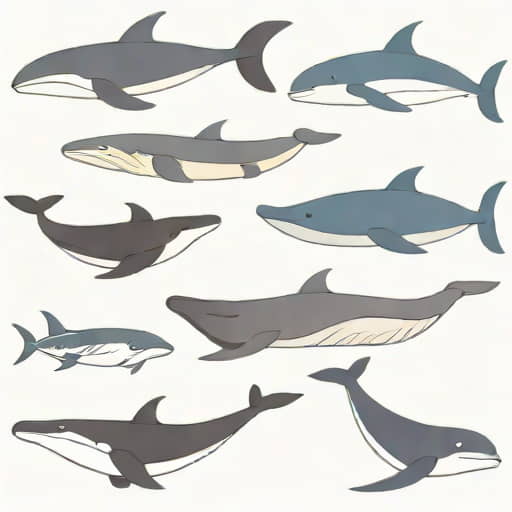
Understanding the classification of whales is essential for anyone studying marine biology, zoology, or preparing for quizzes and exams. One common question that appears on study platforms like Quizlet is about the suborder that includes baleen whales. Baleen whales are remarkable marine mammals known for their unique feeding mechanism, which allows them to filter large amounts of tiny prey from the water. Identifying the correct suborder and understanding its characteristics helps students grasp the diversity and evolutionary adaptations of whales, as well as the ecological roles they play in ocean ecosystems. This topic explores the suborder of baleen whales, their features, examples, and significance in marine biology.
Definition and Classification of Baleen Whales
Baleen whales are part of the order Cetacea, which includes all whales, dolphins, and porpoises. Within this order, whales are divided into two main suborders based on their feeding structures and evolutionary history Mysticeti and Odontoceti. The suborder that includes baleen whales is Mysticeti. These whales are distinguished from toothed whales (Odontoceti) by the presence of baleen plates instead of teeth. Baleen plates are made of keratin and act like a sieve, allowing the whale to filter plankton, krill, and small fish from the water.
Key Features of Mysticeti
Mysticeti, or baleen whales, have several distinct characteristics that set them apart from other marine mammals
- Baleen PlatesInstead of teeth, they have plates made of keratin that hang from the upper jaw and help in filter feeding.
- Large SizeMany baleen whales are among the largest animals on Earth, including the blue whale, which can reach over 100 feet in length.
- Two BlowholesUnlike toothed whales, baleen whales have two blowholes on the top of their heads for breathing.
- Filter Feeding BehaviorThey feed by taking in large amounts of water and then pushing it out through the baleen plates, trapping small prey.
- Seasonal MigrationMany baleen whales migrate long distances between feeding and breeding grounds.
Examples of Baleen Whales
The suborder Mysticeti includes several well-known species of whales. These whales are spread across different families, each with unique adaptations and behaviors. Some notable examples include
1. Blue Whale (Balaenoptera musculus)
The blue whale is the largest animal on the planet and a classic example of a baleen whale. It primarily feeds on krill, consuming up to 4 tons per day during feeding seasons. Its immense size and baleen feeding mechanism make it an iconic representative of Mysticeti.
2. Humpback Whale (Megaptera novaeangliae)
Humpback whales are known for their acrobatic breaches and complex songs. They have long baleen plates and exhibit unique feeding strategies such as bubble-net feeding, which allows them to herd and capture schools of small fish and krill efficiently.
3. Gray Whale (Eschrichtius robustus)
Gray whales feed primarily on small organisms found in the seafloor sediment. Their baleen is adapted for bottom feeding, where they scoop up mud and filter out tiny invertebrates. Gray whales are also famous for their long migratory journeys between Arctic feeding grounds and Mexican breeding lagoons.
4. Fin Whale (Balaenoptera physalus)
The fin whale is the second-largest whale species and uses its baleen plates to consume small schooling fish and krill. Like other Mysticeti, it has two blowholes and migrates seasonally to follow food availability.
5. Bowhead Whale (Balaena mysticetus)
Found in Arctic and sub-Arctic waters, the bowhead whale has a massive mouth and long baleen plates. It feeds on plankton and small crustaceans and is well-adapted to icy environments, surviving in extreme cold where other whales cannot.
Comparison Between Baleen and Toothed Whales
Understanding baleen whales also requires distinguishing them from toothed whales, which belong to the suborder Odontoceti. This comparison highlights key evolutionary and functional differences
- Feeding MechanismBaleen whales use baleen plates to filter small prey, while toothed whales have teeth and hunt larger prey individually.
- SizeMysticeti tend to be larger, with species like blue and fin whales, while Odontoceti include smaller species such as dolphins and sperm whales.
- BlowholesBaleen whales have two blowholes; toothed whales have a single blowhole.
- Social BehaviorMany toothed whales show complex social structures, while baleen whales are often solitary or found in small groups, except during migration.
Importance of Mysticeti in Marine Ecosystems
Baleen whales play a crucial ecological role in marine environments. Their feeding behavior helps regulate populations of small fish and plankton, maintaining a balance in the food chain. Additionally, their migratory movements contribute to nutrient cycling in oceans. Whale fecal matter releases iron and nitrogen, which fertilizes plankton, supporting the base of the marine food web. Protecting Mysticeti species is essential for maintaining healthy and productive ocean ecosystems.
Conservation Status
Many baleen whales faced severe population declines due to commercial whaling in the 19th and 20th centuries. Conservation efforts, including international bans on whaling, protected breeding grounds, and habitat preservation, have helped some populations recover. However, threats like ship strikes, entanglement in fishing gear, pollution, and climate change continue to pose risks. Understanding the suborder Mysticeti helps scientists develop effective conservation strategies and promote awareness about the importance of preserving these remarkable marine mammals.
How to Remember the Suborder for Quizzes
For students using Quizlet or other study tools, it is helpful to have memory aids to recall that baleen whales belong to the suborder Mysticeti. Some tips include
- Associate Mysticeti with mystical filter feeding because of their unique baleen plates.
- Remember that Mysticeti starts with M, like massive, to link it with the large size of most baleen whales.
- Use visual flashcards showing the two blowholes and baleen plates to reinforce the distinction from toothed whales.
The suborder that includes baleen whales, Mysticeti, represents a fascinating group of marine mammals characterized by their filter-feeding baleen plates, large size, and migratory behavior. Examples such as blue whales, humpback whales, gray whales, fin whales, and bowhead whales demonstrate the diversity and adaptability within this suborder. Understanding the features and ecological importance of Mysticeti is critical for marine biology studies, conservation efforts, and academic preparation, including quizzes on platforms like Quizlet. By studying baleen whales and their suborder, students and enthusiasts can appreciate the remarkable adaptations that allow these giants to thrive in the ocean while contributing to ecosystem health and biodiversity.