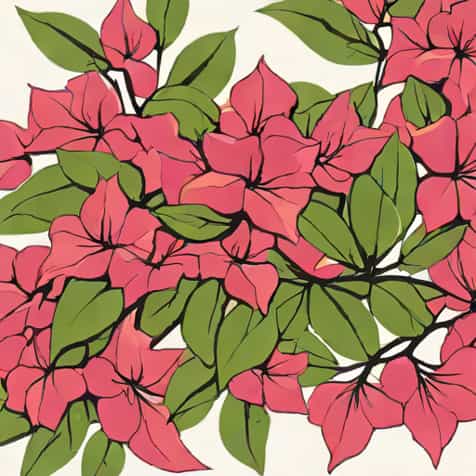
Bougainvillea is a stunning and popular plant known for its vibrant colors and ornamental beauty. It is often found climbing fences, trellises, and walls, bringing bright splashes of color to gardens, parks, and urban landscapes. Understanding the meaning of bougainvillea involves more than just identifying it as a flowering plant; it includes knowledge of its botanical characteristics, varieties, growth habits, cultural significance, and practical uses. Widely admired for its hardy nature and striking visual appeal, bougainvillea is a favorite among gardeners and landscape designers. Exploring the definition, care requirements, symbolism, and ecological impact of bougainvillea provides a comprehensive understanding of this remarkable plant and why it has captured the attention of plant enthusiasts around the world.
Definition of Bougainvillea
Bougainvillea is a genus of thorny ornamental vines, bushes, and trees in the family Nyctaginaceae. Native to South America, particularly Brazil, Peru, and Argentina, bougainvillea is renowned for its vivid bracts, which are often mistaken for petals. These colorful bracts surround the plant’s small, inconspicuous flowers and give the impression of large, brightly colored blossoms. Bougainvillea comes in a variety of colors including magenta, purple, red, orange, white, and pink, making it an attractive choice for landscaping and decorative purposes.
Botanical Characteristics
- Growth HabitBougainvillea can grow as a climbing vine, shrub, or small tree, depending on the variety and environment.
- ThornsMost bougainvillea plants have sharp thorns along their stems, which provide protection and support climbing growth.
- LeavesThe leaves are typically ovate, green, and slightly leathery, providing contrast to the colorful bracts.
- FlowersSmall, tubular, and usually white, the actual flowers are surrounded by brightly colored bracts that attract pollinators.
- BractsModified leaves that resemble petals; they are the most visually striking feature of the plant.
Varieties of Bougainvillea
There are numerous bougainvillea varieties cultivated for their color, growth habit, and adaptability. Some of the popular types include
Bougainvillea glabra
Known as the paperflower, this variety has smooth leaves and a vigorous growth habit. It is widely used in hedges and trellises and is favored for its long-lasting blooms.
Bougainvillea spectabilis
This variety is larger and more robust, with coarse leaves and showy bracts. It is commonly grown as a standalone shrub or small tree in gardens.
Dwarf Varieties
Dwarf bougainvillea cultivars are ideal for container gardening and small spaces. They produce abundant flowers but remain compact, making them perfect for patios and balconies.
Growth and Care of Bougainvillea
Bougainvillea is relatively easy to grow, but it requires specific conditions to thrive. Understanding its care requirements helps ensure healthy growth and abundant blooms.
Sunlight
Bougainvillea thrives in full sunlight. At least six hours of direct sun per day are recommended to encourage vibrant bract coloration and prolific flowering.
Soil and Watering
Well-drained soil is essential to prevent root rot. Bougainvillea prefers slightly acidic to neutral soil and should be watered moderately. Overwatering can inhibit blooming and cause root problems.
Pruning and Training
Regular pruning helps maintain shape, control size, and encourage flowering. For climbing varieties, trellises or supports are recommended to guide growth. Pruning should be done after blooming to promote healthy new growth.
Fertilization
Bougainvillea benefits from balanced fertilizers, especially those high in potassium and phosphorus, to enhance flowering. Fertilizing every few months during the growing season supports vibrant bract development.
Cultural and Symbolic Significance
Bougainvillea carries symbolic and cultural meaning in different regions. Its vibrant colors often represent beauty, passion, and resilience.
Symbolism
- ResilienceBougainvillea thrives in harsh conditions and poor soil, symbolizing perseverance and strength.
- CelebrationThe bright, colorful bracts are associated with joy, festivity, and positivity.
- ProtectionThe thorns of bougainvillea symbolize defense and safeguarding.
Cultural Uses
In many cultures, bougainvillea is used to adorn homes, temples, and public spaces. Its bright colors and cascading growth make it a popular choice for festive decorations and landscaping around significant buildings. It is also frequently used in community gardens, parks, and urban beautification projects.
Environmental and Ecological Impact
Bougainvillea contributes to the environment in several ways, from supporting pollinators to preventing soil erosion.
Pollinator Attraction
The brightly colored bracts of bougainvillea attract bees, butterflies, and hummingbirds, supporting local biodiversity and aiding in pollination of nearby plants.
Erosion Control
When grown on slopes or hillsides, bougainvillea helps stabilize soil and prevent erosion due to its extensive root system and dense foliage.
Urban Greening
Bougainvillea is a valuable addition to urban landscapes because it provides greenery, shade, and color while being relatively low maintenance. It also helps improve air quality and reduce urban heat island effects.
Challenges and Considerations
Despite its beauty, bougainvillea presents some challenges for gardeners and landscapers
- Thorns can make handling and pruning difficult.
- It requires full sunlight and may not thrive in shaded or low-light conditions.
- Cold-sensitive varieties may not survive frost or freezing temperatures.
- Overwatering or poor drainage can lead to root rot and reduced flowering.
Interesting Facts About Bougainvillea
- Bougainvillea is named after the French explorer Louis Antoine de Bougainville, who discovered the plant in Brazil in the 18th century.
- The colorful bracts can last for weeks, making the plant highly decorative for long periods.
- Bougainvillea can tolerate drought conditions once established, making it ideal for dry climates.
- Some varieties can grow over 30 feet long if supported and trained properly.
- Bougainvillea is often used in bonsai and container gardening for ornamental purposes.
Bougainvillea is more than just a decorative plant; it is a symbol of beauty, resilience, and vibrancy. Its colorful bracts, hardy growth, and adaptability make it a favorite among gardeners, landscapers, and plant enthusiasts worldwide. Understanding the meaning of bougainvillea includes appreciating its botanical characteristics, varieties, growth requirements, cultural significance, and ecological contributions. Whether used to adorn urban spaces, protect hillsides from erosion, or attract pollinators, bougainvillea remains a versatile and visually striking plant. Its enduring popularity is a testament to its aesthetic appeal and practical benefits, solidifying its place as one of the most beloved ornamental plants globally.