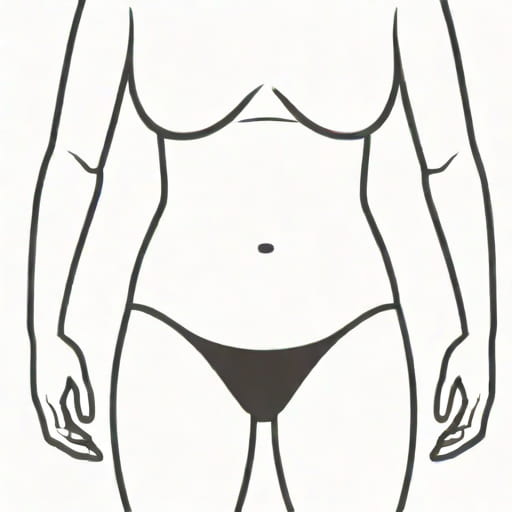
The midsection of the human body, often referred to as the torso or trunk, plays a critical role in both structural support and movement. It is the central part of the body that connects the upper and lower limbs, providing balance and stability for various physical activities. The midsection houses vital organs, including parts of the digestive system, the kidneys, and portions of the circulatory and respiratory systems. Understanding the midsection’s anatomy and function is important not only for medical professionals but also for anyone interested in fitness, posture, or overall health. This section of the body is often a focus for exercise and strength training due to its central role in movement and stability.
Defining the Midsection
The midsection of the body generally includes the area between the chest and the hips. It consists of the abdomen, lower back, and oblique regions. Medically and anatomically, this area is essential because it houses critical organs and supports key muscles that facilitate movement, posture, and breathing. The midsection is commonly associated with core strength, which is crucial for maintaining balance, preventing injury, and improving physical performance.
Key Components of the Midsection
- Abdominal MusclesThese include the rectus abdominis, transverse abdominis, and obliques. They are responsible for flexing, twisting, and stabilizing the torso.
- Lower Back MusclesThe erector spinae and multifidus muscles support the spine and help maintain upright posture.
- DiaphragmThis major muscle aids in breathing by helping expand and contract the lungs.
- Internal OrgansThe stomach, liver, intestines, kidneys, and pancreas all occupy the midsection and are vital for digestion, metabolism, and detoxification.
Functions of the Midsection
The midsection is not just a physical connector between the upper and lower parts of the body; it serves multiple essential functions. One primary role is maintaining stability and posture. The muscles in this region help keep the spine aligned and absorb shocks during movement. This function is especially important during sports or activities that involve running, jumping, or lifting.
Another vital function is supporting breathing. The diaphragm, which is situated within the midsection, contracts and relaxes to control airflow in and out of the lungs. This muscle works alongside the abdominal muscles to enhance breathing efficiency, particularly during physical exertion.
The midsection also protects internal organs. The rib cage partially covers the upper midsection, while abdominal muscles provide a muscular barrier for the organs below. This protective function ensures that critical organs like the liver, stomach, and kidneys remain safe from impact and injury.
Midsection and Core Strength
Core strength is a term often used to describe the stability and functionality of the midsection. A strong midsection improves balance, coordination, and overall strength. Core exercises such as planks, crunches, and rotational movements specifically target this area to enhance muscular endurance and structural support. Even daily activities like bending, twisting, or lifting rely heavily on midsection strength.
Health and Fitness Considerations
Maintaining a healthy midsection is closely linked to overall wellness. Excess fat around the midsection, often referred to as visceral fat, can increase the risk of chronic diseases such as heart disease, diabetes, and hypertension. Regular exercise, proper nutrition, and targeted core workouts are essential to keep the midsection healthy and functional.
Posture is another important aspect related to the midsection. Weak abdominal or lower back muscles can lead to poor posture, back pain, and even long-term spinal issues. Engaging in exercises that strengthen the midsection can prevent these problems and improve overall body alignment.
Common Midsection Problems
- Lower Back PainOften caused by weak core muscles or poor posture, leading to strain on the spine.
- Digestive IssuesProblems in the abdominal organs, such as bloating or indigestion, can affect the midsection area.
- Muscle ImbalancesOverdeveloped or underdeveloped muscles in the midsection can cause discomfort and reduce physical performance.
- Visceral Fat AccumulationExcess fat around the midsection increases health risks and can impact mobility and endurance.
Improving Midsection Health
Enhancing the health and strength of the midsection requires a combination of exercise, diet, and lifestyle habits. Core exercises targeting the abdomen and lower back can improve muscle tone and stability. Aerobic exercises like walking, running, or cycling help reduce excess fat in the midsection. Proper nutrition, including a balanced intake of proteins, healthy fats, and complex carbohydrates, supports overall health and aids in maintaining a healthy body weight.
Additionally, good posture practices such as standing straight, sitting with proper back support, and avoiding prolonged slouching contribute to a stronger and more functional midsection. Stretching exercises can also help maintain flexibility and reduce the risk of injury in the muscles around the torso.
The Midsection in Daily Life
The midsection plays a crucial role in almost every movement we perform. Simple tasks like bending to pick up objects, twisting to reach something, or lifting heavy items all rely on the midsection for stability and strength. A well-maintained midsection reduces the risk of injuries and enhances efficiency in these daily movements. Athletes and fitness enthusiasts often prioritize midsection training because it improves performance in nearly every sport, from swimming to weightlifting to yoga.
The midsection of the body is more than just the area between the chest and hips; it is a central hub for strength, stability, and vital organ protection. Understanding its anatomy and functions can help individuals improve their fitness, prevent injury, and maintain overall health. Whether through targeted exercises, proper nutrition, or daily posture awareness, taking care of the midsection is essential for a balanced and healthy lifestyle. By focusing on the midsection, we not only strengthen our core but also support the proper functioning of vital bodily systems, leading to improved well-being and longevity.