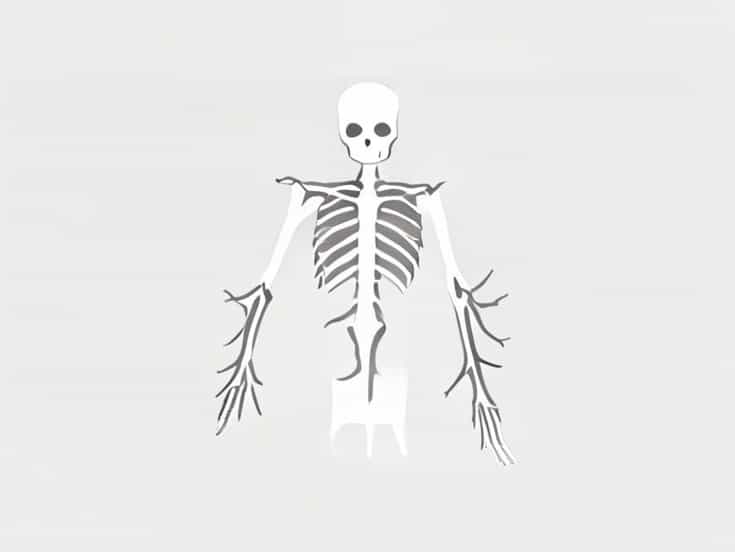
When your bones begin to deteriorate, it refers to a medical condition in which the structural integrity of the skeletal system weakens over time. This deterioration often results in bones becoming brittle, fragile, and more susceptible to fractures. The most common condition associated with bone deterioration is osteoporosis, a disease that affects millions of people worldwide, particularly older adults and postmenopausal women. Understanding what happens when bones deteriorate, the underlying causes, symptoms, and available treatments is crucial for maintaining bone health and preventing severe complications.
What Is Bone Deterioration?
Bone deterioration occurs when the natural process of bone remodeling is disrupted. Normally, bone tissue is continuously broken down and rebuilt in a balanced cycle. Osteoclasts are cells responsible for breaking down old bone, while osteoblasts build new bone tissue. When this balance is disturbed-either due to increased bone resorption or decreased bone formation-the bones gradually lose density and strength. This leads to thinning, structural weakness, and a higher risk of fractures.
The deterioration of bones is not always immediately noticeable. Many individuals may not experience symptoms until a fracture occurs or a significant loss of bone density has taken place. This is why bone health screenings, such as bone mineral density (BMD) tests, are recommended for individuals at risk of osteoporosis.
Medical Term for Bone Deterioration
The medical term for the deterioration of bones isosteoporosis. Osteoporosis literally means porous bones, describing the reduced density and increased porosity of bone tissue. This condition is often referred to as a silent disease because it can progress without obvious symptoms until a fracture occurs. Other bone-related conditions that involve deterioration include osteopenia, which is a milder form of bone loss, and certain metabolic bone disorders.
Osteopenia vs. Osteoporosis
Osteopenia is an early stage of bone loss that indicates lower-than-normal bone density but not severe enough to be classified as osteoporosis. It serves as a warning sign and offers an opportunity for intervention before more serious bone deterioration occurs. Osteoporosis represents advanced bone loss, often leading to fractures of the spine, hip, wrist, or other critical areas. Both conditions involve weakening of bone structure and require attention to prevent further complications.
Causes of Bone Deterioration
Several factors contribute to the deterioration of bones, ranging from lifestyle habits to medical conditions. Understanding these causes can help individuals take preventive measures and reduce their risk of fractures.
- AgeBone density naturally decreases with age, especially after the age of 50. Older adults are more susceptible to osteoporosis and fractures.
- Hormonal ChangesPostmenopausal women experience a drop in estrogen levels, which accelerates bone loss. Men can also experience bone loss due to decreased testosterone levels with age.
- Calcium and Vitamin D DeficiencyThese nutrients are critical for bone health. Insufficient intake can impair bone remodeling and accelerate deterioration.
- Lack of Physical ActivityWeight-bearing exercises help maintain bone density. Sedentary lifestyles contribute to weaker bones.
- Medical ConditionsCertain diseases, such as hyperthyroidism, chronic kidney disease, and gastrointestinal disorders, can affect bone metabolism.
- MedicationsLong-term use of corticosteroids, anticonvulsants, and certain cancer treatments can increase the risk of bone deterioration.
- Genetic FactorsFamily history of osteoporosis or fractures can increase an individual’s susceptibility.
Symptoms of Bone Deterioration
Bone deterioration often progresses silently, but as it advances, several signs and symptoms may become noticeable. Common indicators include
- Frequent fractures from minor falls or injuries.
- Loss of height over time due to spinal compression.
- Back pain caused by vertebral fractures.
- Curvature of the spine or a hunched posture.
- Weakness or stiffness in bones and joints.
Since early stages of osteoporosis and bone deterioration may have no symptoms, regular screening is important for individuals at risk, particularly women over 50, older men, and those with a family history of bone disorders.
Diagnosis of Bone Deterioration
Healthcare providers use several methods to diagnose bone deterioration, including
- Bone Mineral Density (BMD) TestThe most common test, often performed using dual-energy X-ray absorptiometry (DEXA), measures the density of bones in the spine, hip, or wrist.
- Blood TestsThese can help identify underlying conditions or nutrient deficiencies that may contribute to bone loss.
- Medical History ReviewPhysicians assess risk factors, family history, and lifestyle habits to determine susceptibility.
- Imaging TestsX-rays or MRI scans may reveal fractures or structural changes in advanced cases.
Treatment and Management
Although bone deterioration cannot always be fully reversed, several strategies can help slow progression, prevent fractures, and maintain bone health
Lifestyle Changes
Maintaining a healthy lifestyle is essential for preserving bone density. Key steps include
- Consuming a diet rich in calcium and vitamin D.
- Engaging in regular weight-bearing and strength-training exercises.
- Avoiding smoking and limiting alcohol consumption, which negatively affect bone health.
- Maintaining a healthy body weight to reduce stress on bones.
Medications
Several medications are available to manage bone loss and reduce fracture risk. These include bisphosphonates, hormone replacement therapy, selective estrogen receptor modulators (SERMs), and newer drugs like denosumab or teriparatide. The choice of medication depends on individual risk factors, age, sex, and overall health.
Monitoring and Follow-Up
Regular check-ups with a healthcare provider are crucial for monitoring bone density, evaluating treatment effectiveness, and adjusting interventions as needed. Early detection and consistent management significantly reduce the risk of fractures and complications.
Prevention Strategies
Preventing bone deterioration is possible through proactive lifestyle choices and awareness of risk factors
- Eat a balanced diet with sufficient calcium and vitamin D.
- Engage in regular weight-bearing exercises like walking, jogging, or resistance training.
- Avoid habits that weaken bones, such as smoking and excessive alcohol use.
- Ensure regular medical check-ups and bone density screenings, especially for high-risk individuals.
- Manage chronic health conditions that can affect bone metabolism.
When your bones deteriorate, the condition is medically known as osteoporosis, although bone loss can also occur through osteopenia or other metabolic disorders. This deterioration weakens bones, increases fracture risk, and can significantly impact quality of life. Understanding the causes, symptoms, diagnosis, and management of bone deterioration is crucial for maintaining long-term skeletal health.
Preventive measures, such as a nutrient-rich diet, regular exercise, and lifestyle modifications, combined with medical interventions when necessary, can help slow bone loss and reduce complications. Awareness of bone health, early detection through screenings, and proactive management are essential strategies for individuals seeking to protect their skeletal system and maintain mobility and independence as they age.
In summary, bone deterioration is a serious health concern, but with proper care, lifestyle adjustments, and medical support, individuals can manage risks, improve bone strength, and maintain a higher quality of life well into older age.