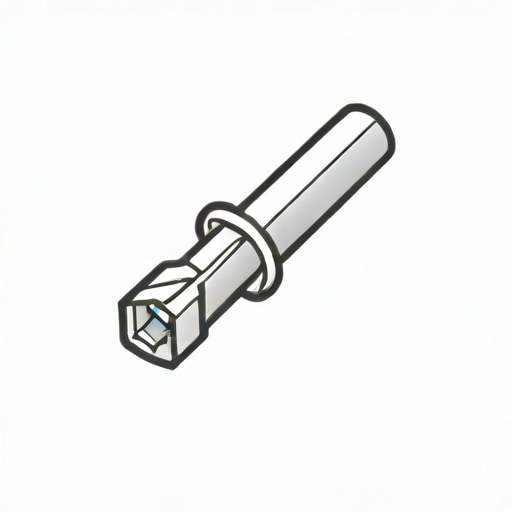
A countersink bit is a specialized cutting tool designed to create a conical hole or to enlarge the top portion of an existing hole, allowing the head of a screw, bolt, or fastener to sit flush or below the surface of the material. Countersink bits are commonly used in woodworking, metalworking, and construction, providing both functional and aesthetic benefits by ensuring that fasteners do not protrude and potentially interfere with other components. These bits come in various sizes, angles, and materials, enabling them to handle a wide range of tasks with precision. Understanding the types, applications, and proper usage of countersink bits is essential for craftsmen, DIY enthusiasts, and professionals seeking clean, professional-quality results.
Understanding the Function of a Countersink Bit
The primary function of a countersink bit is to create a conical depression around the opening of a pre-drilled hole. This allows flat-head or oval-head screws to sit flush with or below the surface of the material. By providing this conical space, countersink bits prevent the screw from protruding, which can improve the appearance of a project and reduce the risk of snagging or damage. Countersink bits also help in guiding screws accurately into the material, reducing the likelihood of splitting or cracking, especially in wood.
How a Countersink Bit Works
Countersink bits feature a conical cutting edge that matches the angle of the screw head, typically 82 or 90 degrees in woodworking and metalworking applications. When the bit is rotated and pressed against the material, it removes a precise amount of material from around the hole, creating a smooth, angled surface. This allows the screw head to fit seamlessly, ensuring a secure and neat finish. Some countersink bits include pilot drill tips, which combine the drilling and countersinking processes in a single step for faster and more accurate work.
Types of Countersink Bits
Countersink bits are available in various designs, each suited for specific applications. Understanding these types helps users select the right bit for their project.
Standard Countersink Bits
Standard countersink bits are simple conical cutters designed for creating a basic countersink hole. They are available in different angles and diameters to accommodate various screw sizes. These bits are often used with hand drills, drill presses, or CNC machines in woodworking and metalworking projects.
Countersink Bits with Pilot Drill
These bits combine a standard drill bit with a countersink cutter, allowing users to drill the pilot hole and countersink simultaneously. This type is efficient for repetitive tasks and reduces the risk of misalignment. They are particularly useful in cabinetry, furniture making, and metal fabrication.
Adjustable Countersink Bits
Adjustable countersink bits allow the user to modify the cutting depth or diameter, providing flexibility for different screw sizes or material thicknesses. These bits are valuable for projects requiring precise control over the countersink depth, ensuring uniform results across multiple holes.
Step Drill Countersink Bits
Step drill countersink bits feature multiple diameter steps, allowing a single bit to drill holes and countersink various sizes without changing bits. These are especially useful in metalworking or electrical work where multiple hole sizes are common.
Materials and Construction
The performance of a countersink bit is largely determined by its construction material. Common materials include high-speed steel (HSS), carbide, and cobalt, each offering specific advantages.
High-Speed Steel (HSS)
HSS countersink bits are durable and versatile, suitable for wood, plastic, and light metals. They are relatively affordable and maintain a sharp edge for a reasonable amount of time, making them ideal for general-purpose use.
Carbide Countersink Bits
Carbide bits are extremely hard and wear-resistant, making them suitable for tough materials like stainless steel, aluminum, and other metals. They maintain their sharpness longer than HSS bits, providing precise, clean cuts in high-volume or demanding applications.
Cobalt Countersink Bits
Cobalt countersink bits are similar to HSS but contain cobalt to increase heat resistance and durability. They are particularly effective for drilling and countersinking in hard metals, reducing the risk of dulling or breakage during use.
Applications of Countersink Bits
Countersink bits have a wide range of applications in various industries, from woodworking and metalworking to construction and manufacturing.
Woodworking
In woodworking, countersink bits are used to create neat and professional finishes by allowing screw heads to sit flush or below the wood surface. This is particularly important in furniture making, cabinetry, and decorative projects where aesthetics are crucial.
Metalworking
Metalworkers use countersink bits to prepare holes for screws, bolts, and rivets. By creating a conical seat for fasteners, countersink bits ensure strong, secure joints and prevent damage to the surrounding material.
Construction and Carpentry
In construction, countersink bits are used to fasten materials like wood, metal, or composite panels, providing smooth surfaces for painting, finishing, or assembly. They help reduce surface imperfections and improve structural integrity.
DIY and Home Improvement
For home improvement projects, countersink bits are valuable tools for installing shelves, cabinets, or fixtures. They ensure that screws do not protrude, providing a cleaner, safer, and more professional appearance.
Tips for Using Countersink Bits
Proper technique is essential to achieve clean and precise results when using a countersink bit. Consider the following tips
- Choose the correct bit angle to match the screw head.
- Use a pilot hole to guide the screw and reduce the risk of splitting the material.
- Apply consistent pressure and moderate speed to prevent burning, chipping, or over-cutting.
- For hard materials, consider using lubrication to reduce heat buildup and extend the life of the bit.
- Always ensure the drill is perpendicular to the surface to create an even countersink.
A countersink bit is an essential tool for anyone involved in woodworking, metalworking, or general construction. By creating precise conical depressions, it allows screws and fasteners to sit flush or below the surface, improving both the appearance and functionality of projects. With various types, angles, and materials available, countersink bits provide versatility for a wide range of applications. Understanding the proper use, selection, and maintenance of countersink bits ensures professional-quality results, enhances productivity, and prolongs tool life. Whether for DIY home projects or industrial manufacturing, a countersink bit is a practical investment that enables clean, efficient, and aesthetically pleasing finishes across different materials.
In essence, mastering the use of a countersink bit goes beyond simply drilling holes; it involves precision, control, and understanding the nuances of the material being worked on. By selecting the right bit, applying proper technique, and maintaining the tool, users can achieve consistent, high-quality results that reflect craftsmanship and attention to detail. Countersink bits are more than just cutting tools-they are instruments that enhance the quality, durability, and appearance of countless projects in both professional and home environments.