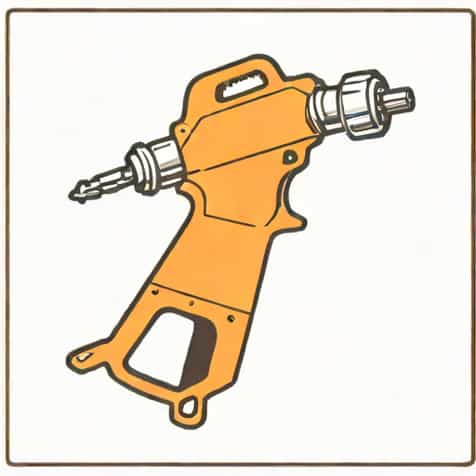
A blowtorch is a versatile tool that has been used for decades in both industrial and domestic applications. It is designed to produce a controlled, high-temperature flame that can be directed precisely to perform tasks that require heat. From metalworking to plumbing, culinary arts, and even craft projects, the blowtorch has proven to be indispensable in various fields. Understanding what a blowtorch is used for, its types, and its safety considerations is essential for anyone planning to use one. In this topic, we will explore the uses of a blowtorch, highlight the different types available, discuss practical applications, and provide tips for safe operation.
Understanding a Blowtorch
A blowtorch is essentially a tool that emits a hot flame fueled by combustible gases such as propane, butane, or acetylene. The flame produced can reach extremely high temperatures, making it suitable for tasks that require melting, soldering, heating, or burning materials. The blowtorch consists of a fuel source, a nozzle to focus the flame, and a trigger or valve that controls the flow of gas. Its compact design allows users to handle it with precision, making it a useful tool in many trades and hobbies.
Types of Blowtorches
Blowtorches come in several types, each suited to different applications. Understanding the differences helps users choose the right tool for the job
- Propane BlowtorchesThese are commonly used for general household tasks and small-scale projects. They are easy to operate and provide sufficient heat for many applications.
- Butane BlowtorchesSmaller and portable, butane torches are often used in culinary settings, such as caramelizing sugar on desserts or searing meats.
- Acetylene or Oxy-Acetylene TorchesUsed in industrial and welding applications, these torches can reach extremely high temperatures suitable for cutting or joining metals.
Common Uses of a Blowtorch
Blowtorches are highly versatile, and their applications span multiple industries and hobbies. Some of the most common uses include
1. Metalworking and Welding
In metalworking, blowtorches are used to heat, solder, or weld metals together. The intense heat generated allows metals to melt slightly at their edges, enabling them to bond securely. This makes blowtorches essential tools for jewelry making, metal fabrication, and repair work. Additionally, oxy-acetylene torches can cut through thick metal sheets with precision, a critical task in construction and manufacturing.
2. Plumbing and Pipework
Plumbers often use blowtorches to solder copper pipes. The torch heats the pipe and solder, creating a strong, leak-proof joint. This method is faster and more effective than using mechanical connectors alone, especially in situations where durability and reliability are essential.
Culinary Applications
Blowtorches are also popular in professional kitchens. Chefs use butane torches to caramelize sugar on desserts like crème brûlée, sear the surface of meats, roast peppers, or melt cheese. The precision and control of the flame allow culinary professionals to achieve perfect browning without overcooking the food.
3. Crafting and DIY Projects
Blowtorches are valuable in various craft projects. Artists and hobbyists use them for tasks such as shaping glass, melting wax, or creating metal art. They are also used in woodworking to burn wood surfaces intentionally, giving furniture or decorative pieces a rustic, textured look known as the Shou Sugi Ban technique.
4. Heat Shrinking and Adhesive Work
Blowtorches can be used to apply heat to shrink tubing or activate heat-sensitive adhesives. This application is common in electronics repair, electrical work, and DIY projects where components need to be insulated or bonded securely. The controlled heat ensures that only the intended area is affected, reducing the risk of damage.
Safety Considerations When Using a Blowtorch
While blowtorches are highly effective, they can be dangerous if not used correctly. It is essential to follow safety guidelines to prevent accidents and injuries. Here are some key safety tips
- Wear Protective GearAlways wear heat-resistant gloves, safety goggles, and long sleeves to protect against burns and sparks.
- Work in a Well-Ventilated AreaEnsure there is adequate ventilation to avoid inhaling fumes from gas combustion or heated materials.
- Keep Flammable Materials AwayRemove paper, fabrics, or chemicals from the work area to prevent accidental fires.
- Check Equipment Before UseInspect hoses, nozzles, and fuel canisters for leaks or damage to prevent gas leaks and explosions.
- Follow Manufacturer InstructionsEach blowtorch has specific operating procedures and safety precautions, which should always be followed.
Practical Tips for Using a Blowtorch
To maximize efficiency and safety, here are some practical tips for using a blowtorch
- Adjust the flame to the appropriate size and intensity for the task. Too large a flame can cause damage, while too small may be ineffective.
- Maintain a steady hand to ensure precision, especially when working on delicate tasks like jewelry or culinary projects.
- Allow the tool to cool completely after use before storing it to prevent accidents or damage to surfaces.
- Use clamps or holders when working with small or unstable objects to avoid accidental burns or movement.
A blowtorch is a powerful and versatile tool that finds use in multiple fields, from metalworking and plumbing to cooking and crafting. Its ability to produce a controlled, high-temperature flame allows users to perform tasks that require precision and heat application. Understanding the various types of blowtorches, their specific uses, and the necessary safety precautions is crucial for effective and safe operation. Whether you are a professional tradesperson, a chef, or a hobbyist, knowing what a blowtorch is used for enables you to leverage its capabilities efficiently. By following proper guidelines and exercising caution, a blowtorch can be an invaluable addition to any toolkit, providing functionality and versatility across countless projects and applications.