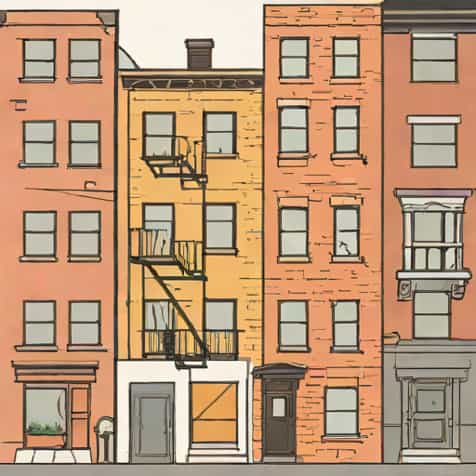
Gentrification is a term frequently used in discussions about urban development, housing, and social change. It refers to the process by which a neighborhood undergoes transformation as wealthier residents move in, often resulting in increased property values, renovated buildings, and changes in local businesses. While gentrification can bring economic investment and improved infrastructure, it can also lead to the displacement of long-term, lower-income residents and significant shifts in the social fabric of a community. Understanding what gentrification means involves examining its causes, effects, historical context, and the debates surrounding its impact on cities and communities.
Definition of Gentrification
Gentrification is defined as the process through which urban neighborhoods experience economic and social change due to an influx of more affluent residents. This process often results in rising rents, changes in demographics, and the renovation of housing and commercial spaces. While it can bring investment and revitalization, it frequently raises concerns about equity, access, and community identity. The term originated in the 1960s, derived from the word gentry, which referred to people of higher social class.
Key Characteristics of Gentrification
- Rising Property ValuesOne of the most visible signs of gentrification is an increase in real estate prices and rents, which can make it difficult for existing residents to afford housing.
- Demographic ShiftsNeighborhoods experiencing gentrification often see changes in income, education levels, and sometimes racial or ethnic composition.
- Urban Renewal and RenovationOld buildings may be refurbished or replaced, and public spaces may be improved, contributing to an enhanced aesthetic appeal of the area.
- Economic InvestmentNew businesses, cafes, boutiques, and service providers often appear, reflecting the tastes and spending habits of incoming residents.
Causes of Gentrification
Gentrification is driven by a variety of economic, social, and political factors. Understanding these causes helps explain why certain neighborhoods are more likely to experience gentrification than others.
1. Urban Development Policies
Government policies, zoning laws, and urban renewal initiatives can encourage investment in certain neighborhoods. Subsidies, tax incentives, and infrastructure improvements may attract developers and wealthier residents to areas that were previously underinvested.
2. Economic Factors
Economic growth, rising property markets, and investment opportunities can make urban neighborhoods attractive to higher-income individuals. The availability of jobs, proximity to business districts, and potential for real estate profits often incentivize gentrification.
3. Cultural and Lifestyle Trends
Trends favoring urban living, such as interest in historic neighborhoods, art districts, or proximity to cultural amenities, can attract wealthier residents to previously lower-income areas. Young professionals and creative industries often play a significant role in these cultural-driven transformations.
4. Transportation and Accessibility
Improved public transportation, bike lanes, and pedestrian-friendly streets make neighborhoods more accessible and desirable, encouraging investment and population change. Access to city centers and employment hubs can accelerate gentrification.
Effects of Gentrification
Gentrification has both positive and negative effects on neighborhoods, residents, and cities as a whole. These effects can be economic, social, and cultural.
Positive Effects
- Infrastructure ImprovementsStreets, parks, and public spaces may be upgraded, enhancing the overall quality of life for residents.
- Economic DevelopmentNew businesses and increased investment can create jobs and attract tourism, boosting the local economy.
- Crime ReductionSome studies suggest that gentrification is associated with lower crime rates due to increased policing and community investment.
- Preservation of Historic BuildingsRenovation efforts often restore old architecture, preserving cultural and historical landmarks.
Negative Effects
- Displacement of ResidentsRising rents and property taxes may force long-term, lower-income residents to move elsewhere, disrupting communities.
- Loss of Cultural IdentityTraditional businesses, social networks, and community institutions may be replaced by establishments catering to wealthier newcomers.
- Social TensionDifferences in income, lifestyle, and priorities between old and new residents can create conflicts and reduce social cohesion.
- Economic InequalityGentrification can exacerbate gaps between high-income newcomers and low-income residents, contributing to broader patterns of urban inequality.
Historical Context of Gentrification
Gentrification is not a new phenomenon. It has occurred in cities around the world for centuries, although the causes and patterns have evolved over time. In the 19th century, industrialization and urban migration created changes in urban neighborhoods, while the mid-20th century saw gentrification in cities like London, New York, and San Francisco. Historic preservation, urban renewal projects, and post-industrial economic shifts contributed to these trends. Today, globalization, real estate speculation, and lifestyle changes continue to drive gentrification worldwide.
Examples of Gentrified Neighborhoods
- Brooklyn, New YorkNeighborhoods like Williamsburg and Bushwick experienced rapid gentrification, transforming from industrial areas to cultural and residential hubs for young professionals.
- Shoreditch, LondonOnce an industrial and working-class area, Shoreditch now attracts tech companies, creative businesses, and high-income residents.
- Fitzroy, MelbourneThis suburb experienced gentrification with the influx of artists, cafes, and boutique shops, increasing property values and changing the social fabric.
Debates and Controversies
Gentrification is a highly debated topic among urban planners, sociologists, and policymakers. Supporters argue that it revitalizes neighborhoods, reduces crime, and brings investment. Critics, however, highlight displacement, cultural erasure, and growing economic inequality as serious concerns. Some advocate for policies such as rent control, affordable housing mandates, and community land trusts to balance the benefits of gentrification with social equity. The debate underscores the importance of planning and regulation to ensure inclusive urban development.
Strategies for Managing Gentrification
- Implementing rent control and tenant protection laws to prevent displacement.
- Supporting affordable housing development in gentrifying areas.
- Encouraging mixed-use development that accommodates diverse income levels.
- Engaging communities in urban planning decisions to preserve cultural and social networks.
Understanding what gentrification means is essential for analyzing urban development and its impact on communities. Gentrification involves the transformation of neighborhoods through the influx of wealthier residents, leading to economic investment, rising property values, and social change. While it can revitalize areas and improve infrastructure, it also poses challenges such as displacement, loss of cultural identity, and social inequality. Studying gentrification helps city planners, policymakers, and residents develop strategies that balance urban growth with social equity, ensuring that neighborhoods evolve in ways that benefit both new and long-standing residents.