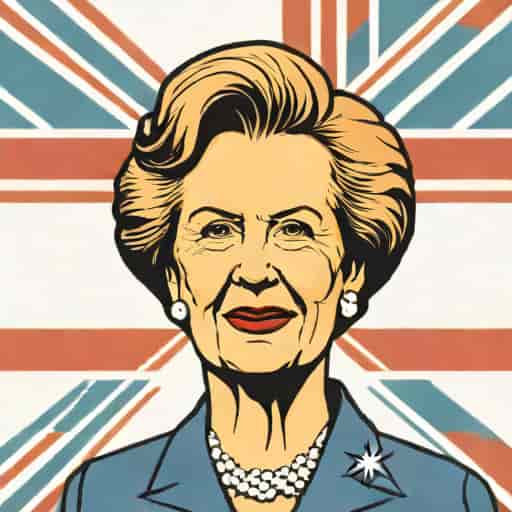
Margaret Thatcher is remembered not only for her leadership but also for her powerful, concise, and often sharply crafted statements. Many of her most felicitous words-phrases that were memorable, effective, and rhetorically striking-continue to be discussed today for their political impact and linguistic force. Her speeches and interviews often reflected conviction, clarity, and a distinctive style that made her voice recognizable across the world. Understanding these expressions helps reveal how her communication shaped public perception and political debate.
Understanding the Idea of Felicitous Words
The term felicitous words refers to language that is especially fitting, effective, or successful in expressing an idea. In Thatcher’s case, her words were often felicitous because they captured her beliefs with sharp precision. Her communication style combined confidence, firmness, and a sense of purpose, helping her statements become part of political history.
Why Thatcher’s Words Still Matter
Her phrasing often influenced public opinion, shaped political identity, and became symbols of her leadership. These lines were not just quotes-they were reflections of her worldview. Revisiting them offers insight into how she articulated her ideals and how those ideals resonated with her followers and critics alike.
The Lady’s Not for Turning
One of Margaret Thatcher’s most famous and felicitous lines is the declaration, The lady’s not for turning. This phrase became iconic because it expressed unwavering commitment. The line communicated both strength and a refusal to change direction under political pressure.
Impact of the Phrase
It illustrated how Thatcher viewed leadership firm, determined, and grounded in principle. The words resonated because they were brief yet powerful, capturing her persona in a single sentence. Even decades later, this phrase is frequently referenced when discussing political decisiveness.
Why the Words Were Effective
- They were bold and quotable.
- They reinforced her identity as a strong leader.
- They clearly communicated her stance without ambiguity.
This combination of clarity and firmness made the phrase one of her most successful rhetorical moments.
If You Want Something Said, Ask a Man… If You Want Something Done, Ask a Woman.
This statement is another example of Thatcher’s felicitous words. It captured attention because it challenged traditional expectations while praising determination and action. The phrasing was memorable and carried a strong sense of empowerment.
Why the Quote Remains Popular
The line is frequently repeated because it balances humor and conviction. Thatcher used it to signal both confidence in women’s capabilities and a broader belief in practical action over empty speech. It remains one of her most celebrated remarks.
The Rhetorical Strength of the Line
- It uses contrast for emphasis.
- It conveys a message of empowerment.
- It fits her reputation for decisiveness.
These factors helped cement it as one of her most widely circulated quotes.
There Is No Such Thing as Society.
While this statement is one of Thatcher’s most controversial, it is also among her most quoted. The phrasing was striking because it challenged common assumptions about collective responsibility. Regardless of how it is interpreted, the words were unmistakably bold and impactful.
The Meaning Behind the Statement
She emphasized individual responsibility and the role of families rather than relying on a broader social entity. The phrase was part of a larger argument about self-reliance and accountability, central themes in Thatcherism.
Why These Words Endure
- They capture her ideological stance clearly.
- They sparked widespread debate and analysis.
- They demonstrate her willingness to use strong, striking language.
Whether praised or criticized, the words remain memorable because they were both provocative and deeply tied to her political philosophy.
Other Notable Felicitous Statements
Beyond her most famous lines, Margaret Thatcher delivered many remarks that demonstrated her rhetorical skill. These expressions reveal different sides of her leadership-from determination to practicality.
Examples of Additional Effective Phrases
- Statements about personal responsibility and economic freedom.
- Remarks reflecting skepticism toward excessive government intervention.
- Comments emphasizing discipline, independence, and resilience.
These lines may not be as famous as her iconic quotes, but they contributed to her overall style. Her ability to communicate complex ideas through clear, succinct language strengthened her connection with supporters.
Why Her Words Were So Successful
Margaret Thatcher’s communication style worked because it matched her political identity. Her words were direct, assertive, and carefully chosen. This approach helped her convey conviction while keeping her messages accessible to a broad audience.
Key Elements of Her Rhetoric
Several features made her statements especially felicitous
- Clarity– She avoided vague or overly technical language.
- Confidence– Her tone projected strong belief in her ideas.
- Conciseness– Short, pointed phrases were easier for the public to remember.
- Consistency– Her words remained aligned with her broader worldview.
These traits allowed her speeches and remarks to leave a long-lasting impact.
The Cultural Significance of Her Felicitous Words
Thatcher’s expressions became part of political culture because they communicated more than policy. They expressed identity, emotion, and purpose. Her choice of words helped define her legacy as a leader who valued conviction and clarity.
How Her Phrases Shaped Public Memory
The public remembers her lines not just for their content but for the way they reflected the spirit of her leadership. They represent moments when language empowered ideas and carried them forward. This is why so many of her statements continue to be cited in discussions of politics, leadership, and communication.
Margaret Thatcher’s felicitous words highlight the power of effective communication in shaping public perception and political legacy. Her memorable phrases-direct, confident, and sharply constructed-continue to resonate because they captured her beliefs with precision. Whether expressing determination, promoting responsibility, or challenging conventional ideas, her words left an imprint that remains part of historical and cultural conversations. Understanding these expressions offers valuable insight into how language shaped one of the most influential political figures of the twentieth century.