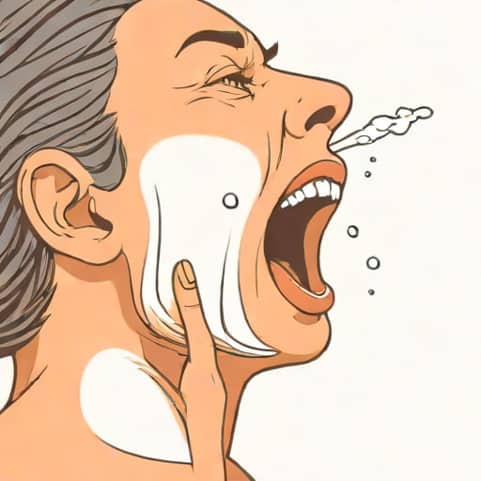
The phrase vitriol to bathe from the throat of cowardice evokes a powerful and evocative image that speaks to the destructive nature of anger, resentment, and fear when they are left unchecked. While it may sound poetic or metaphorical, this expression captures the essence of human emotion at its most intense and corrosive. Vitriol, commonly understood as harsh criticism or bitter malice, metaphorically pouring from the throat of cowardice, suggests that fear and insecurity can manifest in verbal attacks, social hostility, or personal bitterness. This concept is deeply relevant in understanding human behavior, social interactions, literature, and even psychological studies, highlighting how inner weakness or fear can translate into outward harm.
Understanding Vitriol in Context
Vitriol historically refers to sulfuric acid, known for its corrosive and destructive properties. Metaphorically, it represents extreme bitterness, scathing criticism, and harmful speech. When someone speaks with vitriol, they express intense anger or contempt that can erode relationships, trust, and social cohesion. The imagery of vitriol pouring from a source emphasizes the active and deliberate nature of such malice-it is not accidental but rather a release of deeply ingrained negativity. In literature, vitriol is often used to depict characters consumed by resentment or fear, providing a dramatic lens into the consequences of unchecked emotion.
The Throat of Cowardice
The phrase throat of cowardice deepens the metaphor. Cowardice, the avoidance of danger or difficulty due to fear, is often considered a personal flaw or weakness. When the metaphor suggests that vitriol emerges from cowardice, it implies that fear can drive individuals to attack others instead of facing challenges directly. The throat, as the source of speech, indicates that verbal aggression is a primary vehicle for expressing suppressed fear or insecurity. In essence, people who are unwilling to confront their fears directly may channel their frustration into harsh words, public condemnation, or subtle manipulations.
Psychological Perspectives
Psychologically, the concept connects closely with ideas in social and personality psychology. Individuals who feel threatened or inadequate often display externalizing behaviors, including hostility or harsh criticism, as a defense mechanism. Vitriol, in this sense, can serve as a protective shield, deflecting attention from one’s vulnerabilities or insecurities. Cowardice, when combined with feelings of powerlessness or fear, can lead to repeated cycles of verbal aggression or social sabotage. By studying this dynamic, psychologists can better understand the roots of bullying, workplace hostility, and interpersonal conflicts.
Fear as a Motivator for Aggression
Fear often motivates indirect forms of aggression. While courageous individuals may confront challenges openly, those driven by cowardice may resort to backhanded attacks or vitriolic statements. Social scientists note that when individuals feel powerless or marginalized, they often experience heightened anger and frustration, which can then be externalized through harmful words. Understanding this dynamic emphasizes the importance of addressing fear and insecurity at their source, rather than merely managing outward aggression.
Literary Applications
In literature, the metaphor of vitriol arising from cowardice is frequently employed to explore themes of human weakness, moral corruption, and social critique. Authors may use characters who speak with vitriol to illustrate the destructive effects of fear on moral judgment and social cohesion. For instance, antagonists in novels often resort to harsh, cutting language not only as a form of control but also as a reflection of their own insecurities and fears. The imagery evokes both caution and empathy, highlighting that such destructive speech often originates from internal struggle rather than innate evil.
Examples in Literature
Several notable literary works exemplify this metaphor
- In Shakespearean drama, characters like Iago in *Othello* manipulate and insult others, often revealing their own insecurities and fears through cunning and venomous speech.
- In modern literature, hostile office environments or social power struggles often depict individuals whose words, though corrosive, emerge from fear of failure or inadequacy.
- Poetry frequently employs the image of throat of cowardice to convey the destructive impact of suppressed emotions and unspoken fears on relationships and society.
Social and Interpersonal Implications
Beyond literature, the metaphor has direct implications for understanding social behavior. Vitriolic speech and verbal hostility can undermine trust, damage relationships, and perpetuate cycles of conflict. When such behavior originates from cowardice or fear, it highlights the importance of empathy and conflict resolution in communities, workplaces, and personal relationships. Recognizing the source of harmful speech allows individuals to address underlying issues rather than simply responding to the symptoms of aggression.
Strategies to Mitigate Vitriol
Several approaches can help manage or reduce the impact of vitriol that stems from fear or insecurity
- Encouraging open communication to address fears and insecurities directly.
- Promoting self-awareness and emotional intelligence to prevent defensive aggression.
- Fostering environments where constructive feedback replaces hostile speech.
- Developing coping strategies for stress and fear that do not involve harming others.
- Intervening in social or workplace conflicts with mediation to prevent escalation.
Philosophical Reflections
Philosophically, the phrase invites reflection on the nature of human morality and courage. Vitriol, as an external manifestation of cowardice, serves as a cautionary tale about the consequences of unexamined fear. Societies and individuals benefit from fostering courage, self-reflection, and ethical communication, reducing the likelihood that fear translates into destructive behavior. In this sense, the metaphor is both descriptive and prescriptive, illustrating human tendencies while suggesting paths toward personal and social improvement.
The Role of Courage
Courage, both moral and physical, functions as a counterbalance to the destructive tendencies implied by the phrase. Individuals who confront challenges and uncertainties directly are less likely to resort to vitriol, because they process their fears constructively rather than projecting them outward. In education, leadership, and social development, encouraging courageous dialogue and problem-solving can prevent the corrosive effects of fear-driven speech.
The expression vitriol to bathe from the throat of cowardice captures a profound truth about human behavior that fear, insecurity, and cowardice often manifest as corrosive words and actions. From psychological insights to literary representations and social implications, this metaphor illustrates how internal struggles can become externalized in destructive ways. Recognizing the origins of such behavior, whether in oneself or others, is crucial for fostering empathy, effective communication, and moral courage. By addressing the sources of fear and promoting constructive strategies for dealing with uncertainty, individuals and communities can reduce the harmful effects of vitriol and create more supportive, resilient social environments.