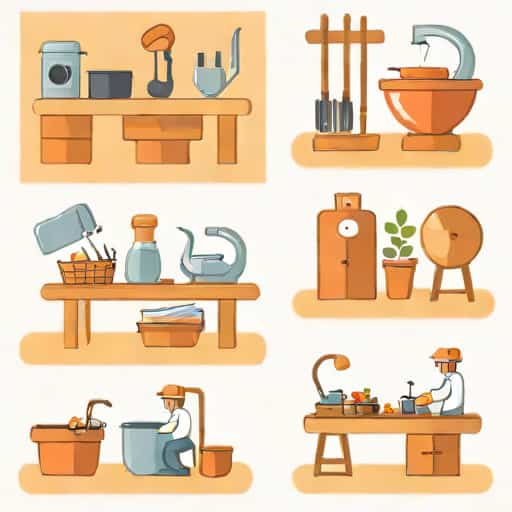
Visiting a handicraft unit project offers a unique opportunity to explore the intricate processes behind handmade products, understand the skill of artisans, and observe the business aspects of small-scale industries. A Visit to a Handicraft Unit Project PDF serves as a valuable educational and reference tool for students, researchers, and entrepreneurs interested in learning about handicraft production, management, and marketing. This PDF typically provides a detailed report of the visit, including observations, interviews with artisans, workflow analysis, and insights into challenges and opportunities within the handicraft sector. Studying such a PDF can help individuals gain a comprehensive understanding of how traditional skills are combined with modern practices to create sustainable and profitable handicraft businesses.
Purpose of Visiting a Handicraft Unit Project
The primary purpose of visiting a handicraft unit is to gain practical exposure to the operations of a small-scale or medium-scale craft-based business. Such visits allow students and professionals to connect theoretical knowledge with real-world practices. By observing the production process, materials used, and the skill levels of artisans, visitors can better appreciate the effort and expertise required to create quality handicrafts. Additionally, these visits often aim to educate individuals on business aspects such as cost management, production planning, marketing strategies, and customer engagement.
Educational Benefits
- Understanding different types of handicrafts and materials used
- Learning about traditional techniques and modern adaptations
- Observing workflow and production processes
- Gaining insights into challenges faced by artisans
- Learning about market strategies and business management
Contents of a Handicraft Unit Visit PDF
A visit report PDF is structured to provide detailed documentation of the visit and the learnings derived from it. It usually includes sections such as an introduction, objectives, observations, methodology, analysis, and conclusions. The document also highlights the interactions with the staff, types of handicrafts produced, and any innovative practices adopted by the unit.
Key Sections of the PDF
- IntroductionOverview of the handicraft unit, its location, size, and main products.
- ObjectivesPurpose of the visit, such as learning production techniques, understanding management practices, or evaluating market potential.
- MethodologyApproach used during the visit, including interviews, observations, and documentation.
- ObservationsDetailed notes on the production process, tools, raw materials, quality control, and artisan skills.
- AnalysisEvaluation of workflow efficiency, productivity, and challenges faced by the unit.
- Conclusions and RecommendationsSummary of key learnings and suggestions for improvement or further research.
Observations Typically Made During the Visit
During a visit to a handicraft unit, several observations are usually recorded to provide a comprehensive understanding of operations. These observations help in identifying both strengths and areas that need improvement.
Production Process
Visitors observe the sequence of steps involved in creating handicrafts, from sourcing raw materials to finishing and packaging. Understanding the production process allows students and entrepreneurs to appreciate the labor, skill, and creativity involved in crafting each product. Some units may also demonstrate innovative techniques that enhance efficiency without compromising quality.
Materials and Tools
Another critical aspect of observation is the study of materials and tools used. Different handicrafts require specific raw materials, such as wood, clay, textiles, or metals. Tools may range from traditional hand tools to modern machinery. Documenting these details in the PDF provides insights into resource utilization and cost management.
Artisan Skills and Techniques
The skill level of artisans is a vital factor in the quality of handicrafts. Visitors observe techniques such as carving, weaving, painting, or embroidery, noting how experience and training influence the final product. Interviews with artisans can reveal methods of learning and preserving traditional knowledge while adapting to market demands.
Challenges Faced by Handicraft Units
Handicraft units often face multiple challenges, which can also be highlighted in the visit PDF. These challenges include competition with mass-produced goods, sourcing quality raw materials, maintaining skilled labor, and accessing wider markets. Understanding these challenges helps visitors appreciate the business and economic aspects of running a handicraft unit.
Common Challenges
- High production costs compared to machine-made alternatives
- Difficulty in scaling operations without losing quality
- Limited access to modern marketing channels and technology
- Seasonal demand and fluctuating sales
- Preserving traditional techniques while meeting modern consumer preferences
Learning Outcomes from the Visit
Visiting a handicraft unit and studying the accompanying PDF report provides numerous learning outcomes for students, researchers, and aspiring entrepreneurs. It enhances practical knowledge of production processes, business management, and market dynamics in the handicraft sector. Additionally, it fosters appreciation for cultural heritage and traditional craftsmanship, highlighting the balance between creativity, skill, and business acumen.
Key Takeaways
- Understanding the workflow of a handicraft unit and how efficiency can be improved
- Gaining insights into quality control and product standardization
- Learning marketing strategies and customer engagement methods for small-scale businesses
- Appreciating the role of traditional skills and their modern applications
- Recognizing challenges and opportunities in the handicraft industry
Applications of the Visit PDF
The PDF report of a handicraft unit visit serves multiple purposes. For students, it is a reference for project work, assignments, and research studies. For entrepreneurs, it provides practical insights into setting up and managing a handicraft business. Researchers can use the PDF to study production techniques, labor management, and economic impacts of handicraft units on local communities. Additionally, policymakers and development agencies can analyze such reports to design programs supporting small-scale industries and artisans.
Benefits of Having a PDF Report
- Documented evidence of the visit for academic or professional use
- Comprehensive insights into production processes and operational challenges
- Reference material for training and skill development
- Information for developing marketing strategies or business improvement plans
- Preservation of knowledge about traditional craftsmanship
A visit to a handicraft unit project, accompanied by a well-prepared PDF report, provides an invaluable learning experience. It combines observation, analysis, and documentation to offer insights into the craftsmanship, production processes, and business aspects of small-scale industries. Such visits help students, researchers, and entrepreneurs understand the delicate balance between preserving traditional skills and adapting to modern market demands. The PDF report acts as a detailed record of the visit, making it a useful educational resource that can be referred to for years. Overall, studying a Visit to a Handicraft Unit Project PDF enhances appreciation for handmade products, the artisans behind them, and the strategies that ensure the sustainability and growth of handicraft businesses.