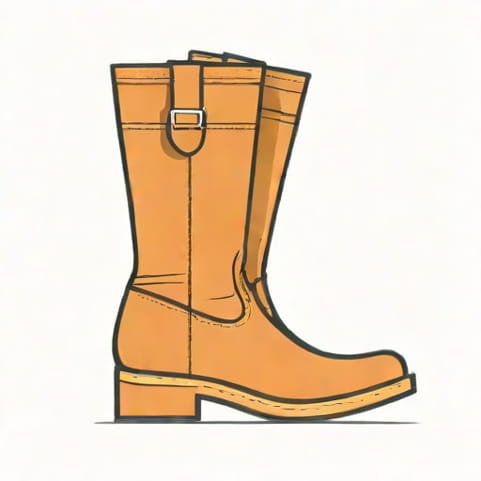
The Vimes socioeconomic theory of boots is a concept introduced by Terry Pratchett in his Discworld series, particularly through the character of Sam Vimes, the commander of the Ankh-Morpork City Watch. While originating in a fictional context, the theory has been widely discussed in real-world economic and sociological conversations for its surprisingly accurate commentary on poverty and the cost of living. At its core, the Vimes theory of boots highlights how those with lower incomes often end up paying more for goods over time due to the inability to afford durable, high-quality items initially. This observation provides insight into the broader implications of poverty, social inequality, and the systemic disadvantages faced by lower-income individuals.
Origins of the Vimes Theory of Boots
The theory is derived from a passage in Terry Pratchett’s novel Men at Arms, where Sam Vimes reflects on poverty while observing the cost of boots. Vimes realizes that while wealthy individuals can afford a single pair of high-quality boots that last many years, poor people are forced to buy cheap boots repeatedly, which eventually cost more in the long run. This seemingly simple observation captures a fundamental truth about inequality short-term financial constraints often lead to long-term economic disadvantages.
Although it originates from a work of fiction, the Vimes theory has been cited in academic discussions, policy debates, and media analyses as a metaphor for the hidden costs of poverty and the systemic challenges that prevent upward mobility.
Core Principles of the Vimes Theory
The Cost of Cheap Goods
The first principle of the Vimes theory emphasizes that low-quality goods, which are often cheaper upfront, can lead to higher cumulative costs over time. For example, inexpensive shoes may wear out quickly, necessitating repeated purchases. The total expenditure over several years can exceed what a wealthier person might spend on a single, high-quality pair of boots. This principle applies to many other goods, such as clothing, electronics, and household items.
Economic Inequality and Accessibility
The theory also highlights the unequal access to quality goods and services. Individuals living in poverty may lack access to stores selling durable products, or they may face higher local prices due to geographical or logistical factors. This disparity reinforces economic inequality, creating a cycle where lower-income individuals are continually disadvantaged in both quality of life and financial planning.
Systemic Implications
Beyond individual choices, the Vimes theory illustrates systemic issues in economic systems. Policies, pricing structures, and social services often fail to account for the compounding effects of poverty. Those with limited resources face hidden costs that are invisible in standard economic analyses, leading to entrenched inequality. Recognizing this principle is essential for understanding why poverty is not merely a lack of income but a multifaceted disadvantage impacting various aspects of life.
Real-World Applications
Financial Planning and Poverty Research
The Vimes theory has been used in financial and sociological research to illustrate the challenges faced by low-income households. Studies have shown that lower-income families frequently pay more for essential goods and services due to limited access, smaller purchase volumes, or reliance on credit. This poverty premium reinforces the idea that systemic inequalities extend beyond mere income disparities.
Consumer Behavior Analysis
Economists and business analysts have applied the principles of the Vimes theory to consumer behavior. The tendency for lower-income individuals to purchase cheaper, short-lived goods affects market demand, brand loyalty, and spending patterns. Understanding these patterns helps companies and policymakers design interventions that can reduce long-term costs for economically disadvantaged groups.
Policy Implications
Policymakers have cited the Vimes theory when discussing interventions to alleviate poverty. By subsidizing durable goods, improving access to affordable quality products, or offering microloans for higher-quality purchases, governments and organizations can reduce the long-term financial burden on low-income households. Programs based on this insight aim to break cycles of repeated expenditure on low-quality goods and support more sustainable economic stability.
Examples Beyond Boots
While the theory is framed around boots, its principles are applicable to a wide range of products and services
- Clothing Cheap, poorly made clothing may need frequent replacement, costing more over time.
- Electronics Low-end devices often fail quickly, necessitating repeated purchases or repairs.
- Housing Rent-to-own furniture or appliances may be more expensive in the long term than purchasing durable items outright.
- Food Less expensive, low-quality food can lead to higher healthcare costs due to poor nutrition.
- Transportation Inexpensive vehicles may break down frequently, resulting in higher maintenance and repair costs.
These examples demonstrate the broader relevance of the theory, emphasizing that the initial affordability of goods is not always indicative of their total economic impact on individuals.
Socioeconomic Insights
Poverty as a Compounding Disadvantage
The Vimes theory of boots illustrates how poverty is self-reinforcing. Limited financial resources force individuals to make choices that may save money in the short term but result in higher costs and disadvantages over time. This compounding effect underscores the complexity of poverty, which is not simply a lack of money but a series of structural and systemic obstacles that affect decision-making, access, and long-term stability.
Awareness of Hidden Costs
Recognizing the hidden costs associated with low-income living is crucial for understanding economic inequality. The Vimes theory encourages both individuals and policymakers to look beyond nominal prices and consider the cumulative financial burden. This awareness is key to developing strategies that address systemic inequities and promote more equitable economic opportunities.
Critiques and Considerations
While the Vimes theory is widely appreciated for its clarity and intuitive appeal, some critiques note that it simplifies complex socioeconomic issues. Poverty involves numerous interrelated factors, including education, employment opportunities, healthcare access, and social mobility. The boots metaphor captures one aspect of economic disadvantage but cannot fully explain all the dynamics of inequality.
Nevertheless, the theory serves as a powerful illustration and entry point for discussions about systemic barriers, the cost of poverty, and long-term economic planning for low-income households.
The Vimes socioeconomic theory of boots provides a compelling framework for understanding the hidden costs of poverty and the challenges faced by low-income individuals. By highlighting how short-term financial constraints can lead to higher long-term costs, the theory sheds light on broader issues of economic inequality, systemic disadvantage, and consumer behavior. While originating in fiction, the concept has real-world relevance for policymakers, economists, and anyone interested in social justice and financial literacy. Applying the insights of the Vimes theory encourages awareness of the poverty premium, supports informed policy interventions, and underscores the importance of access to durable, high-quality goods for all socioeconomic groups.