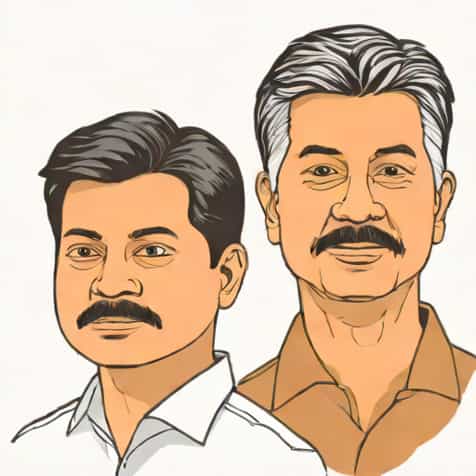
In Tamil Nadu, two prominent names often discussed in both cinema and politics are Vijay and Udhayanidhi Stalin. Vijay, a celebrated actor and cultural icon, has gained immense popularity through his films and the values he represents on screen. On the other hand, Udhayanidhi Stalin, an actor, producer, and politician, belongs to a powerful political family and has been steadily building his presence in the public sphere. The intersection of these two personalities highlights the deep connection between cinema and politics in South India, a dynamic that continues to shape society, culture, and governance in the region.
Vijay The Actor Who Became a Cultural Symbol
Joseph Vijay Chandrasekhar, known simply as Vijay, is one of the most influential actors in Tamil cinema. He has built a career spanning more than two decades with a strong fan base not only in India but also internationally. Vijay is admired for his dancing, acting, and screen presence, but his popularity extends beyond the movies. Fans see him as a figure who embodies social justice, hope, and change. His films often tackle issues like corruption, inequality, and fairness, which resonate with audiences who look for both entertainment and meaning in cinema.
Career Highlights
- Early roles in family dramas that established him as a relatable hero.
- Blockbuster action films likeThuppakki,Mersal, andMaster.
- Recent political undertones in his films that have sparked public debate.
Through his career, Vijay has transitioned from being just an entertainer to someone who influences public opinion, particularly among the youth.
Udhayanidhi Stalin From Cinema to Politics
Udhayanidhi Stalin, the son of Tamil Nadu’s current Chief Minister M.K. Stalin and grandson of former Chief Minister M. Karunanidhi, represents the blending of film and politics in Tamil Nadu’s unique landscape. Starting his career as a film producer and actor, Udhayanidhi eventually moved into politics as part of the Dravida Munnetra Kazhagam (DMK) party. His involvement in both fields showcases how cinema can serve as a stepping stone for building public recognition and support.
Political Career
- Elected as a Member of the Legislative Assembly from Chepauk-Thiruvallikeni constituency.
- Known for youth outreach programs and grassroots political work.
- Currently serves as Tamil Nadu’s Minister for Youth Welfare and Sports Development.
Unlike many who only remain within the film industry, Udhayanidhi has used his visibility to further his family’s political legacy, combining entertainment with governance.
The Intersection of Vijay and Udhayanidhi Stalin
Vijay and Udhayanidhi Stalin’s names often appear together in discussions about the future of Tamil Nadu’s socio-political landscape. While Vijay has not officially entered politics, his influence is undeniable. His films often carry political undertones, and his public appearances generate significant attention. Udhayanidhi, meanwhile, already holds political power and actively works within the DMK framework. The comparison between them reflects two different paths one rooted in popular culture and another in direct political participation.
Public Speculation
There is constant speculation about whether Vijay will join politics and potentially challenge established figures like Udhayanidhi Stalin. Tamil Nadu has a history of actors becoming politicians, from M.G. Ramachandran to J. Jayalalithaa. This precedent makes the idea of Vijay entering politics highly plausible in the eyes of the public. If he does, it could create a new dynamic where Udhayanidhi’s political background and Vijay’s cultural popularity directly interact in shaping the state’s leadership.
Different Strengths of Vijay and Udhayanidhi
While they both command attention, their strengths lie in different areas. Vijay’s connection with the masses comes from the emotional resonance of his films and his off-screen image as a humble, principled figure. His fan base is vast and loyal, often mobilizing for social causes in his name. Udhayanidhi, by contrast, benefits from political experience, organizational backing, and his family’s longstanding influence in Tamil Nadu politics. Together, they represent two powerful models of leadership one symbolic and cultural, the other practical and political.
Key Comparisons
- VijaySymbol of change, loved by fans, but yet to formally join politics.
- Udhayanidhi StalinEstablished politician with official power and a clear political identity.
Their contrast sparks curiosity about how Tamil Nadu’s future may unfold if both figures actively shape its political environment.
The Role of Cinema in Tamil Nadu Politics
The relationship between cinema and politics in Tamil Nadu is unique compared to many other regions. Films have long been used as a platform to discuss social justice, equality, and governance. Political leaders like Karunanidhi and M.G. Ramachandran leveraged their cinematic backgrounds to build immense influence. Vijay’s popularity shows that this tradition remains alive, while Udhayanidhi represents the continuation of family political dynasties. Together, they reflect the enduring link between storytelling and statecraft in Tamil Nadu.
How the Public Responds
The public sees both Vijay and Udhayanidhi Stalin as influential, but their reactions differ. Vijay’s fan clubs are widespread, and his movies often turn into celebrations that demonstrate his mass appeal. People look to him as a leader who might one day challenge traditional politics. Udhayanidhi, however, already faces the responsibilities of governance, which brings both support and criticism. His political work is judged by policies, administration, and his ability to connect with voters beyond his family name.
Future Possibilities
The future of Vijay and Udhayanidhi Stalin in Tamil Nadu’s landscape depends on their choices. If Vijay formally enters politics, he could emerge as a significant force, perhaps even rivaling the DMK. For Udhayanidhi, the challenge is to build his identity beyond being the son of a Chief Minister, proving his capability to lead through action and results. The interaction between these two figures will likely remain a key topic in the state’s cultural and political conversations for years to come.
Vijay and Udhayanidhi Stalin embody two powerful aspects of Tamil Nadu the cultural dominance of cinema and the structured influence of politics. Vijay represents hope, change, and the emotional connection people feel with cinema as a reflection of their lives. Udhayanidhi symbolizes continuity, responsibility, and the practical work of governance. Whether they eventually compete, collaborate, or simply coexist, their names will continue to shape discussions in Tamil Nadu about leadership, identity, and the future. Together, they illustrate how deeply intertwined cinema and politics remain in the state’s unique social fabric.