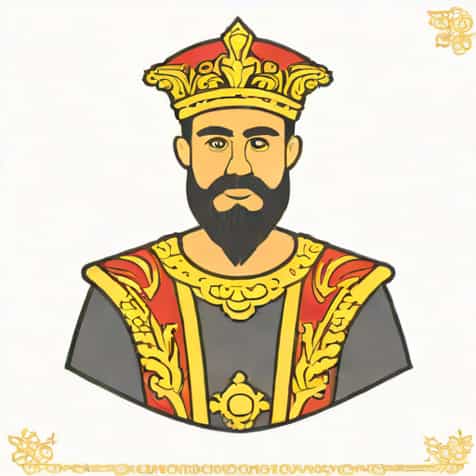
The wardrobe and attire of historical figures often reveal much about their social status, cultural context, and the era in which they lived. One such figure, Herod Antipas, a tetrarch of Galilee and Perea during the early first century, is frequently studied not only for his political and biblical significance but also for the type of clothing he might have worn. Understanding thevestuario de Herodes Antipasprovides insights into the fashions of Roman-era Judea, the symbolism of authority, and the practical considerations of clothing for rulers in the ancient world. By exploring the materials, styles, and accessories typical of his period, we gain a clearer picture of how Herod Antipas presented himself in both public and ceremonial contexts.
Historical Context of Herod Antipas
Herod Antipas ruled as a tetrarch from 4 BCE to 39 CE, during a period when Roman influence was expanding throughout Judea. His position required him to navigate complex political relationships with the Roman authorities, Jewish religious leaders, and local populations. Clothing played a crucial role in projecting his authority and status. Unlike common citizens, rulers like Herod Antipas would have access to luxurious fabrics, detailed embroidery, and distinctive accessories that reinforced their power and distinction.
Cultural Influences on His Attire
The vestuario de Herodes Antipas reflected a blend of Jewish, Hellenistic, and Roman influences. Key aspects include
- Roman influenceAs a client ruler under Roman oversight, he likely adopted elements of Roman fashion, including the toga or tunic styles with elaborate decoration.
- Jewish traditionsDespite Roman influence, he would have observed certain cultural norms, such as modesty standards, which shaped his clothing choices.
- Hellenistic elementsGreek-inspired drapery and ornamental details may have been used to convey sophistication and alignment with Mediterranean elite culture.
Materials and Fabrics
The choice of materials was a significant indicator of wealth and status. Herod Antipas’ garments likely featured luxurious fabrics that were both durable and visually impressive
- LinenA common and versatile fabric in the region, used for tunics and undergarments.
- WoolHigh-quality wool could be dyed in rich colors and used for cloaks or outer garments.
- SilkImported silk from the East would have been rare and expensive, reserved for ceremonial occasions or special audiences.
- Velvet and brocadeTextiles with intricate weaving or embroidery signified wealth and political status.
Color Symbolism
Colors in Herod Antipas’ wardrobe were more than aesthetic choices; they conveyed messages about power and authority. For example
- PurpleA color associated with royalty and wealth, often achieved through costly dyes.
- Red and gold accentsThese colors highlighted status and could be used in trims, belts, or ceremonial garments.
- WhiteRepresented purity and formality, especially in religious or official contexts.
Typical Garments
Herod Antipas’ wardrobe included several types of garments appropriate for different occasions
- TunicThe basic garment, worn both casually and formally, often made of linen or wool and sometimes decorated with embroidery or colored bands.
- Toga-like robesFor formal events and public appearances, he may have worn a Roman-style draped garment over his tunic, signaling alignment with Roman authority.
- Cloaks or mantlesWorn for warmth or ceremonial purposes, these garments often featured decorative borders and high-quality fabrics.
- Head coveringsHeaddresses, such as a simple cloth or a diadem, could indicate rank or adherence to cultural norms.
Accessories and Footwear
Accessories completed the appearance of Herod Antipas, adding both functionality and status symbolism
- Belts and sashesOften elaborately decorated, they helped define the silhouette and conveyed wealth.
- SandalsLeather sandals were typical, with more ornate versions for ceremonial occasions.
- JewelryRings, brooches, and other decorative items highlighted wealth and authority.
- Capes and ceremonial ornamentsOccasionally, additional embellishments signified official or religious events.
Clothing in Ceremonial and Public Contexts
The vestuario de Herodes Antipas varied according to the occasion. In everyday administrative duties, simpler tunics with subtle embellishments were likely worn. During religious ceremonies, audiences with Roman officials, or public celebrations, more elaborate robes, colored dyes, and jewelry would be used to project authority and impress subjects and visitors. Clothing thus functioned as a visual statement of power, blending personal taste with political strategy.
Influence on Art and Historical Records
Historical descriptions, coinage, and artistic depictions provide indirect evidence of the clothing worn by Herod Antipas. Coins minted during his reign often feature stylized images of him wearing robes or draped garments, reflecting contemporary fashion and royal symbolism. These sources, combined with archaeological findings, help historians and costume experts reconstruct probable styles, fabrics, and accessories.
Practical Considerations
In addition to aesthetics and symbolism, practical considerations influenced Herod Antipas’ clothing choices. The climate of Galilee and Perea required garments that were suitable for hot, dry summers and cooler winters. Lightweight fabrics such as linen were ideal for daily wear, while wool or layered garments provided warmth during colder months. Clothing also had to allow for mobility and participation in official duties, public appearances, and travel across his territories.
Legacy of Herod Antipas’ Wardrobe
The study of Herod Antipas’ clothing provides valuable insights into the intersection of culture, politics, and fashion in the ancient world. Understanding the vestuario de Herodes Antipas allows historians to appreciate how rulers used attire as a form of communication, projecting power, allegiance, and sophistication. Modern interpretations in film, theater, and reenactments continue to draw from historical research, ensuring that his style and the cultural significance of his wardrobe remain part of our collective understanding of history.
The vestuario de Herodes Antipas represents a blend of luxury, political symbolism, and cultural adaptation. From fine fabrics like linen, wool, and silk, to elaborate accessories, colored dyes, and ceremonial garments, his clothing was carefully chosen to convey authority, sophistication, and alignment with Roman customs while respecting local traditions. By examining the materials, design elements, and practical considerations of his attire, we gain a richer understanding of the social and political landscape of his era. Herod Antipas’ wardrobe serves not only as a reflection of personal taste and status but also as an important lens through which to study the interplay of fashion, power, and culture in ancient Judea.