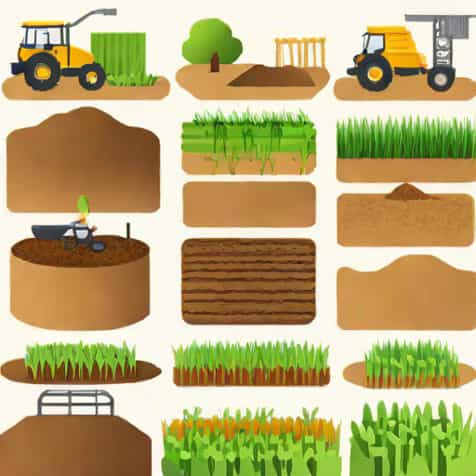
Loam soil is widely regarded as one of the most fertile and versatile types of soil for farming, combining the best characteristics of sand, silt, and clay. Its balanced texture allows for excellent drainage while retaining sufficient moisture and nutrients, creating ideal conditions for plant growth. Farmers and gardeners alike prefer loam soil for cultivating a wide range of crops, from vegetables and fruits to grains and flowers. Understanding the uses of loam soil in farming can help optimize crop yield, improve soil health, and ensure sustainable agricultural practices. Its versatility makes it a key component in both traditional and modern farming methods.
Characteristics of Loam Soil
Before exploring the specific uses of loam soil, it is important to understand its properties. Loam is a mixture of approximately 40% sand, 40% silt, and 20% clay, giving it a rich texture that supports healthy root development and nutrient absorption. It is often dark in color due to its high organic matter content, which further enhances its fertility. Loam soil has good aeration, allowing roots to access oxygen easily, and it can retain water efficiently without becoming waterlogged, making it ideal for most agricultural purposes.
Key Properties
- Balanced texture with sand, silt, and clay
- High fertility due to organic matter content
- Good water retention without poor drainage
- Excellent aeration for root development
- Supports diverse crops and plants
Main Uses of Loam Soil in Farming
Loam soil is highly versatile and can be used in a variety of farming practices. Its characteristics make it suitable for planting a wide range of crops, improving soil structure, and supporting sustainable farming techniques.
Crop Cultivation
One of the primary uses of loam soil is in cultivating crops. The soil’s nutrient-rich composition supports the growth of vegetables, fruits, cereals, and legumes. Its ability to hold moisture while draining excess water ensures that crops receive consistent hydration without the risk of root rot. Loam soil is particularly effective for root vegetables like carrots and potatoes, as well as leafy greens such as lettuce and spinach.
Horticulture and Garden Farming
In addition to traditional crop farming, loam soil is commonly used in horticulture and small-scale garden farming. Its balanced properties make it suitable for planting flowers, ornamental plants, and shrubs. Gardeners benefit from loam’s ease of tilling, consistent nutrient availability, and ability to support healthy root systems, which helps plants thrive and produce vibrant blooms.
Fruit Orchards and Vineyards
Loam soil is ideal for establishing fruit orchards and vineyards. Fruit trees such as apples, pears, and peaches require soil that provides both proper drainage and nutrient retention. Similarly, grapevines flourish in loam soil because it allows roots to penetrate deeply while maintaining optimal moisture levels. The soil’s fertility contributes to higher fruit yields and better-quality produce.
Seedling and Nursery Development
Loam soil is commonly used in nurseries and for seedling development. Its fine texture and nutrient availability create an optimal environment for young plants to establish strong roots. Seedlings grown in loam soil are often healthier and more resilient when transplanted to fields or gardens, leading to higher survival rates and improved crop productivity.
Soil Amendment and Improvement
Loam soil can also be used to improve the quality of less fertile soils. By mixing loam with sandy or clay-heavy soils, farmers can enhance water retention, drainage, and nutrient availability. This practice helps rehabilitate degraded land, making it suitable for agriculture and reducing the need for chemical fertilizers.
Advantages of Using Loam Soil in Farming
Using loam soil in farming offers several advantages that contribute to sustainable agriculture and higher productivity.
Enhanced Fertility
Loam soil naturally contains organic matter and essential nutrients, promoting vigorous plant growth. This reduces the dependency on artificial fertilizers and supports environmentally friendly farming practices.
Optimal Water Management
The balanced texture of loam soil ensures that water is retained for plant use while excess water drains away. This minimizes the risk of overwatering or drought stress and creates ideal conditions for consistent crop growth.
Improved Soil Structure
Loam soil supports strong root development and prevents soil compaction. Its structure allows for proper aeration, facilitating nutrient uptake and fostering healthy microbial activity, which is essential for long-term soil health.
Versatility
Due to its balanced properties, loam soil can be used for a wide variety of crops, horticultural practices, and soil improvement projects. This flexibility makes it an essential resource for diverse farming operations.
Best Practices for Using Loam Soil in Farming
To maximize the benefits of loam soil, farmers should follow certain practices that maintain soil fertility and structure.
- Regularly add organic matter such as compost or manure to maintain nutrient levels
- Practice crop rotation to prevent nutrient depletion
- Use cover crops to protect soil from erosion and improve fertility
- Properly till soil to maintain aeration without disturbing soil structure excessively
- Monitor soil pH and make adjustments if necessary for specific crops
Loam soil plays a vital role in modern and traditional farming due to its balanced texture, fertility, and water management capabilities. Its versatility allows it to be used for crop cultivation, horticulture, fruit orchards, seedling development, and soil improvement projects. Farmers who utilize loam soil can benefit from enhanced productivity, healthier crops, and sustainable agricultural practices. By understanding the uses of loam soil in farming and applying best practices, agricultural professionals can optimize their land’s potential, achieve higher yields, and maintain long-term soil health, making loam soil an indispensable resource for farming around the world.