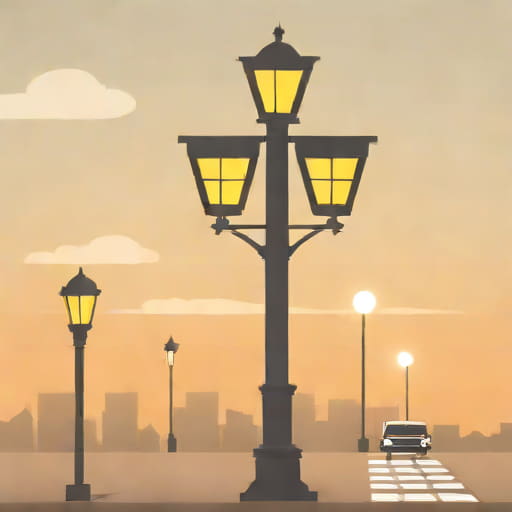
The phrase under the streetlamp rockin’ around the clock carries a vivid sense of movement, music, and youthful energy. It immediately paints a nighttime scene where light, sound, and people come together in an ordinary place that suddenly feels electric. Streetlamps are simple objects, but in popular culture and storytelling they often become symbols of freedom, rebellion, romance, and shared experience. When paired with the idea of rocking around the clock, the phrase suggests endless motion, rhythm, and a moment that feels larger than time itself.
The Power of Everyday Imagery
Streetlamps are found everywhere, quietly lighting roads, corners, and sidewalks. In storytelling and music, they often symbolize moments that happen outside formal spaces. Under a streetlamp, people gather not because they planned to, but because the moment invites them.
Using a streetlamp as a setting brings the scene closer to real life. It suggests something spontaneous, raw, and authentic, rather than staged or polished.
Nighttime as a Space of Freedom
Night has long been associated with freedom and possibility. When the sun goes down, social rules often loosen, and people feel more open to expression. Dancing or rocking around the clock under a streetlamp captures this sense of release.
The darkness provides privacy, while the streetlamp offers just enough light to make the moment visible and memorable.
Rockin’ Around the Clock as a Cultural Expression
The idea of rocking around the clock is strongly tied to music, especially early rock and roll culture. It represents nonstop energy, youth, and defiance of routine. To rock around the clock is to ignore time and responsibilities, even if just for a night.
In a broader sense, it also reflects a desire to live fully in the moment, without worrying about what comes next.
The Streetlamp as a Symbol
In literature and music, a streetlamp often acts as a spotlight on ordinary lives. It highlights people who might otherwise go unnoticed. Under its glow, emotions feel stronger and actions feel more meaningful.
The streetlamp becomes a witness to laughter, dancing, arguments, and dreams, silently watching as life unfolds.
A Place of Gathering
Unlike grand stages or clubs, a streetlamp is public and accessible. Anyone can stand beneath it. This openness makes it a powerful symbol of community and shared experience.
Youth, Rebellion, and Identity
The phrase under the streetlamp rockin’ around the clock often evokes images of young people asserting their identity. Music and movement become tools of self-expression.
Rocking through the night can be seen as a gentle rebellion against expectations, routines, and limitations placed on youth.
Finding Yourself Through Music
Music has always helped people understand who they are. Dancing or rocking under a streetlamp is not just physical movement; it is emotional release and self-discovery.
Timelessness and Memory
Rocking around the clock suggests a moment that feels endless. Even though time continues to move, the memory freezes a single night in place.
Many people look back on similar moments in their own lives with nostalgia, remembering how alive they felt under simple streetlights.
The Role of Rhythm and Motion
Rhythm is central to the phrase. Rocking implies movement that follows a beat, whether from music playing nearby or imagined in the mind.
This rhythm connects people, creating a shared pulse that makes strangers feel like friends.
- Music as a unifying force
- Movement as emotional release
- Rhythm as shared experience
Street Culture and Urban Life
Under the streetlamp, life feels raw and real. Urban spaces often inspire creativity, especially at night when the city slows down.
Street corners, sidewalks, and open spaces become stages for expression, turning everyday environments into cultural landmarks.
Contrast Between Light and Darkness
The glow of a streetlamp against the darkness of night creates a strong visual contrast. This contrast mirrors emotional states often felt during such moments.
There is excitement mixed with uncertainty, joy balanced by awareness that the night will eventually end.
Romance and Connection
Streetlamps are frequently associated with romantic imagery. Standing or dancing beneath one can feel intimate, even in a public place.
Rocking around the clock under a streetlamp suggests shared joy and closeness, whether between friends or romantic partners.
The Influence of Music History
The phrase also echoes the spirit of early popular music that celebrated movement, freedom, and youth culture. That era emphasized togetherness and physical expression.
Even today, the idea remains powerful because it represents a turning point when music became a voice for young people.
Why the Phrase Still Resonates
Despite changes in technology and culture, the image of people gathered under a streetlamp, moving to music late into the night, still resonates.
It speaks to a universal desire for connection, expression, and moments that feel alive and unrestrained.
Modern Interpretations
In modern contexts, rocking around the clock under a streetlamp could mean listening to music on a phone, dancing with friends, or simply sharing time together outdoors.
The setting may change, but the emotional core remains the same.
The Simplicity of Joy
One of the most powerful aspects of the phrase is its simplicity. There is no mention of expensive venues or elaborate plans.
Joy comes from presence, movement, and shared experience.
A Moment Outside of Time
Rocking around the clock suggests stepping outside of time’s usual constraints. It is about choosing to enjoy now, even if tomorrow waits.
This idea resonates strongly in a world that often feels rushed and structured.
The phrase under the streetlamp rockin’ around the clock captures a timeless scene filled with energy, freedom, and connection. It transforms an ordinary place into a symbol of youth, music, and shared experience. Through simple imagery, it speaks to deeper themes of identity, rebellion, joy, and memory. Whether interpreted through music, storytelling, or personal reflection, the image endures because it reminds us of moments when life felt spontaneous and alive, illuminated by nothing more than a streetlamp and the rhythm of the night.