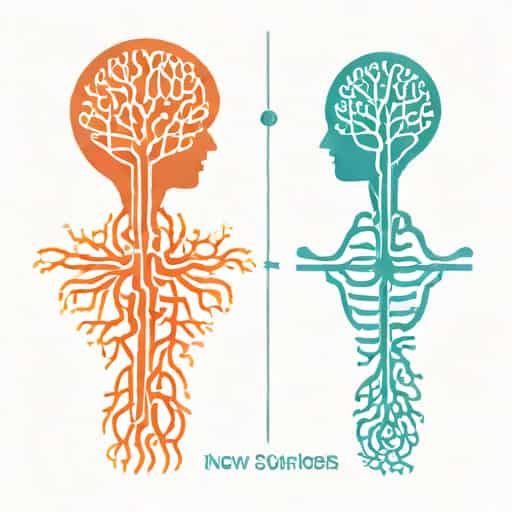
The autonomic nervous system plays a quiet but essential role in everyday life, controlling many body functions that happen automatically without conscious thought. From the steady rhythm of the heartbeat to digestion after a meal and the way the body responds to stress, this system works continuously in the background. Understanding the two divisions of the autonomic nervous system helps explain how the body maintains balance, adapts to changing situations, and protects itself during moments of danger. Although the processes may seem complex, the basic ideas are easy to grasp when explained clearly.
Overview of the Autonomic Nervous System
The autonomic nervous system, often abbreviated as ANS, is part of the peripheral nervous system. Its main job is to regulate involuntary physiological processes. Unlike the somatic nervous system, which controls voluntary movements such as walking or writing, the autonomic nervous system operates automatically.
This system controls organs and tissues including the heart, lungs, blood vessels, glands, digestive tract, and urinary system. It ensures that internal conditions remain stable, a process known as homeostasis. To achieve this, the autonomic nervous system is divided into two major branches that often work in opposite ways.
The Two Divisions of the Autonomic Nervous System
The autonomic nervous system is divided into the sympathetic nervous system and the parasympathetic nervous system. These two divisions have different roles but are closely interconnected. Together, they allow the body to respond appropriately to both stressful and restful situations.
Sympathetic Nervous System
The sympathetic nervous system is commonly described as the system responsible for the fight or flight response. It prepares the body to face physical or emotional challenges by increasing alertness and energy availability.
When a person encounters stress, fear, or danger, the sympathetic division becomes more active. This activation triggers a series of physiological changes that help the body react quickly and effectively.
Parasympathetic Nervous System
The parasympathetic nervous system is often referred to as the rest and digest system. Its main function is to conserve energy and promote maintenance activities during calm and relaxed states.
When the body is at rest, the parasympathetic division supports digestion, nutrient absorption, tissue repair, and overall recovery. It counterbalances the effects of the sympathetic nervous system.
Functions of the Sympathetic Nervous System
The sympathetic nervous system prepares the body for action. It affects many organs simultaneously, ensuring that resources are directed toward muscles and vital systems needed for immediate response.
Key Effects on the Body
- Increases heart rate and blood pressure
- Dilates airways to improve oxygen intake
- Redirects blood flow toward skeletal muscles
- Stimulates the release of glucose for energy
- Reduces digestive activity
These effects are helpful in emergency situations but can be harmful if the sympathetic system remains overactive for long periods, such as during chronic stress.
Functions of the Parasympathetic Nervous System
The parasympathetic nervous system focuses on restoring and maintaining normal bodily functions. It promotes relaxation and supports long-term health by allowing the body to recover.
Key Effects on the Body
- Slows heart rate and lowers blood pressure
- Stimulates digestion and intestinal activity
- Promotes energy storage
- Encourages saliva and digestive enzyme secretion
- Supports immune and repair processes
These actions are essential for overall well-being and help prevent exhaustion caused by prolonged sympathetic activity.
How the Two Divisions Work Together
Although the sympathetic and parasympathetic nervous systems often have opposing effects, they do not work against each other in a harmful way. Instead, they operate in a coordinated manner to fine-tune bodily responses.
For example, heart rate is influenced by both divisions. The sympathetic system increases heart rate during exercise or stress, while the parasympathetic system slows it down during rest. This balance allows the body to adjust quickly to different situations.
Neurotransmitters and Pathways
The two divisions of the autonomic nervous system use different neurotransmitters to communicate with target organs. These chemical messengers help transmit signals efficiently.
Sympathetic Neurotransmitters
The sympathetic nervous system primarily uses norepinephrine as its main neurotransmitter at target organs. This chemical enhances alertness and prepares tissues for action.
Parasympathetic Neurotransmitters
The parasympathetic nervous system mainly uses acetylcholine. This neurotransmitter promotes relaxation and supports restorative processes.
Role in Stress and Relaxation
The balance between the two divisions of the autonomic nervous system plays a critical role in how the body handles stress. Short-term stress activates the sympathetic system and can be beneficial. However, chronic stress may lead to prolonged sympathetic dominance.
Practices such as deep breathing, meditation, and adequate sleep can stimulate parasympathetic activity, helping the body return to a calm and balanced state.
Autonomic Imbalance and Health
When the two divisions of the autonomic nervous system are not well balanced, various health issues may arise. Conditions such as high blood pressure, digestive disorders, anxiety, and fatigue are often associated with autonomic imbalance.
Understanding how these systems function allows healthcare professionals to design treatments that restore balance, whether through medication, lifestyle changes, or stress management techniques.
Importance in Everyday Life
Most people are unaware of how often the autonomic nervous system is active. Every breath, heartbeat, and digestive movement is regulated by these two divisions working together.
By maintaining internal stability, the autonomic nervous system allows conscious thought and voluntary actions to take place without constant interruption. This efficiency is one of the most remarkable features of human physiology.
The two divisions of the autonomic nervous system, the sympathetic and parasympathetic systems, are essential for survival and health. One prepares the body for action and stress, while the other promotes rest, recovery, and long-term balance. Their coordinated interaction ensures that the body can respond to challenges and return to a state of calm afterward. Understanding these systems provides valuable insight into how the body maintains harmony and adapts to the demands of daily life.