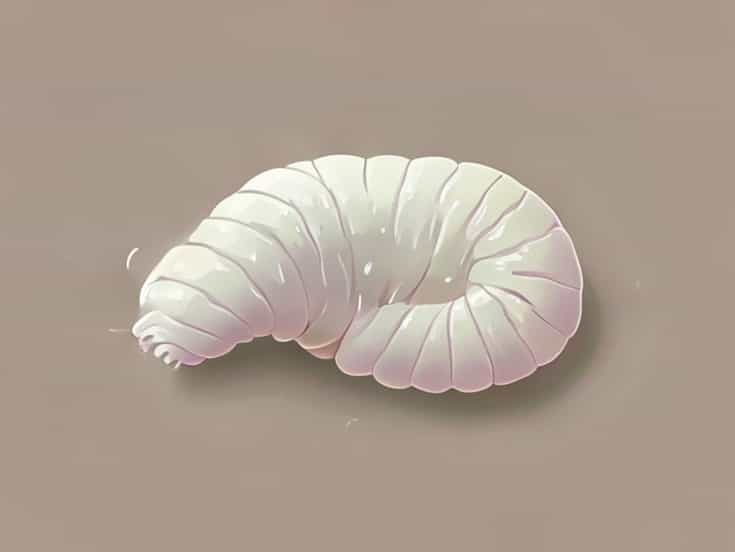
The trichina worm is a microscopic parasite that has long attracted attention because of its impact on human health and its unique biological characteristics. Often mentioned in discussions of food safety and parasitic diseases, this organism raises an important biological question to what phylum does the trichina worm belong? Understanding its classification helps explain how it survives, reproduces, and causes disease. By exploring its taxonomy, structure, and life cycle, we gain a clearer picture of where this parasite fits within the animal kingdom and why it behaves the way it does.
Basic Overview of the Trichina Worm
The trichina worm, scientifically known asTrichinella spiralis, is a parasitic roundworm that infects mammals, including humans. Infection occurs through the consumption of raw or undercooked meat, especially pork, that contains encysted larvae.
Once inside the body, the larvae mature and migrate through tissues, causing a disease called trichinosis. This condition can range from mild to severe, depending on the number of worms ingested and the host’s immune response.
To What Phylum Does the Trichina Worm Belong?
The trichina worm belongs to the phylum Nematoda. Nematodes are commonly known as roundworms and represent one of the most diverse and widespread groups of animals on Earth.
This classification places the trichina worm among organisms that share common structural and developmental features, even though their lifestyles may differ greatly.
Understanding the Phylum Nematoda
The phylum Nematoda includes thousands of species found in marine, freshwater, and terrestrial environments. Some nematodes are free-living, while others are parasitic, like the trichina worm.
Members of this phylum are characterized by their elongated, cylindrical bodies and their lack of segmentation. Their simple but efficient body design has contributed to their evolutionary success.
Key Characteristics of Nematodes
- Long, round, unsegmented body shape
- Bilateral symmetry
- Complete digestive system with mouth and anus
- Pseudocoelom, a fluid-filled body cavity
- Tough outer cuticle
The trichina worm exhibits all of these features, confirming its place within the phylum Nematoda.
Why Trichina Fits the Nematode Classification
The trichina worm’s body structure aligns perfectly with nematode characteristics. It has a smooth, cylindrical shape and a protective cuticle that helps it survive harsh conditions inside its host.
Its digestive system runs from mouth to anus, allowing efficient processing of nutrients. The pseudocoelom provides space for internal organs and supports movement.
Microscopic Size and Adaptation
One distinctive feature of the trichina worm is its small size. Adult worms are barely visible to the naked eye, and larvae are microscopic. This small size is common among parasitic nematodes and aids in evading host defenses.
Being part of the phylum Nematoda, the trichina worm has evolved specialized adaptations for parasitic life, including the ability to encyst in muscle tissue.
The Life Cycle of the Trichina Worm
The life cycle ofTrichinella spiralisis closely tied to its classification as a nematode. Unlike many parasites, it completes its life cycle within a single host species.
After ingestion, larvae are released in the digestive system, mature into adults, and reproduce. New larvae then migrate through the bloodstream to muscle tissue, where they form cysts.
Relation to Nematode Reproduction
Nematodes typically reproduce sexually, and the trichina worm follows this pattern. Male and female worms mate within the host’s intestine, producing larvae rather than eggs.
This reproductive strategy is another feature consistent with its placement in the phylum Nematoda.
Comparison With Other Worm Phyla
Understanding why the trichina worm belongs to Nematoda becomes clearer when compared with other worm phyla.
Differences From Platyhelminthes
Flatworms, classified under the phylum Platyhelminthes, have flattened bodies and incomplete digestive systems. Trichina worms are round and have a complete digestive tract, distinguishing them clearly from flatworms.
Differences From Annelida
Annelids, such as earthworms, have segmented bodies. The trichina worm lacks segmentation, aligning it with nematodes rather than annelids.
Medical Importance of Trichina as a Nematode
Knowing that the trichina worm belongs to the phylum Nematoda helps medical professionals understand how it interacts with the human body. Many nematodes respond to similar treatments, allowing for targeted antiparasitic drugs.
This classification also aids researchers in studying transmission patterns and developing prevention strategies.
Ecological Role of Nematodes
While the trichina worm is harmful to humans, nematodes as a group play vital roles in ecosystems. Many species contribute to soil health, nutrient cycling, and population control.
The parasitic nature of trichina represents only one aspect of the diverse phylum Nematoda.
Evolutionary Perspective
From an evolutionary standpoint, nematodes are considered highly successful organisms. Their simple structure and adaptability have allowed them to thrive in nearly every environment on Earth.
The trichina worm’s survival strategy reflects this evolutionary efficiency, using minimal resources to maintain its life cycle.
Educational Significance of Classification
Asking to what phylum does the trichina worm belong is a common question in biology education. It encourages students to apply classification principles and understand the relationship between structure and function.
By studying organisms like trichina, learners develop a deeper appreciation for biological diversity and systematics.
Prevention and Public Health Awareness
Understanding the biology of the trichina worm, including its classification as a nematode, supports public health efforts. Proper cooking of meat and food safety practices are essential to preventing infection.
Awareness of nematode parasites helps reduce the risk of disease and promotes safer food handling habits.
Modern Research on Trichinella
Ongoing research focuses on the genetics, immune interactions, and treatment of trichina infections. Because it belongs to Nematoda, findings from other nematode studies often inform trichina research.
This shared classification allows scientists to build knowledge across related species.
To answer the question clearly, the trichina worm belongs to the phylum Nematoda. As a parasitic roundworm, it shares key structural, reproductive, and developmental traits with other nematodes. Understanding this classification provides insight into its life cycle, medical significance, and evolutionary success. By recognizing the trichina worm’s place within the phylum Nematoda, we gain a stronger foundation for studying parasitology, improving public health, and appreciating the complexity of the animal kingdom.