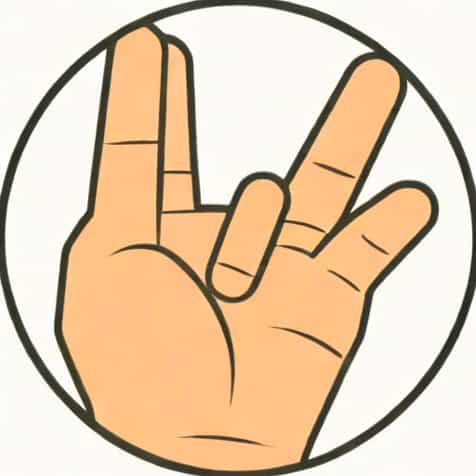
The gesture of the thumb and forefinger crossed is widely recognized in many cultures as a symbol of hope, good luck, or wishing for a positive outcome. This simple hand movement, in which the thumb and index finger form a small X shape, carries deep cultural, historical, and psychological significance. While often used casually in modern settings, its origins and meanings extend far beyond contemporary usage, reflecting centuries of social beliefs, superstitions, and traditions. Understanding this gesture involves exploring its history, symbolism, psychological effects, and practical applications in daily life. It serves as both a social cue and a personal ritual, bridging cultural understanding and human emotion.
Historical Origins of the Thumb and Forefinger Crossed
The practice of crossing the thumb and forefinger dates back to ancient times, with origins linked to early Christian communities and European folklore. Historically, crossing fingers was believed to invoke divine protection or call upon spiritual forces to grant one’s wish. In medieval Europe, this gesture was often used during secret prayers or when seeking favorable outcomes in uncertain situations. Over time, the hand movement transitioned from a strictly religious symbol to a more general cultural practice associated with hope and good luck. This evolution illustrates how gestures can adapt and acquire new meanings while retaining traces of their original context.
Symbolism and Meaning
The thumb and forefinger crossed represents multiple layers of symbolism depending on context. Primarily, it signifies hope or a desire for luck, often accompanied by phrases such as fingers crossed when expressing a wish for success. Beyond luck, it can also embody protection, secrecy, or solidarity. In some cultural interpretations, the crossing of fingers is thought to form a barrier against negative forces or bad outcomes. This symbolism is not only psychological but also social, as it conveys shared understanding and empathy between individuals in uncertain situations.
Psychological Perspective
From a psychological standpoint, the thumb and forefinger crossed serves as a coping mechanism in stressful or uncertain scenarios. Performing this gesture can evoke a sense of control or optimism, even when the outcome is beyond one’s direct influence. Studies in behavioral psychology suggest that such rituals or superstitions can reduce anxiety and provide emotional comfort. The gesture also functions as a nonverbal cue, communicating hope and positive intention to oneself and others. By creating a tangible connection to abstract desires, crossing fingers allows individuals to channel emotions constructively and foster a sense of agency.
Social and Cultural Usage
Across cultures, the thumb and forefinger crossed has found varied applications. In Western societies, it is commonly used when hoping for good results in exams, job interviews, sporting events, or everyday challenges. Children often learn this gesture from peers and family, embedding it as a social convention associated with luck. In some Asian countries, while the exact finger-crossing gesture may differ, similar hand signals are used to express wishes, good fortune, or success. Its universality underscores how gestures can transcend linguistic barriers, conveying shared human experiences and emotions.
Variations and Adaptations
While the classic thumb and forefinger crossed is the most recognized form, variations exist depending on context and cultural interpretation. Some adaptations include
- Crossing multiple fingersSometimes, individuals cross both hands’ fingers for emphasis or heightened symbolic effect.
- Combination with verbal expressionsPhrases like fingers crossed are often said aloud while performing the gesture, reinforcing intent and social communication.
- Digital communicationEmojis and text-based symbols now replicate the crossed fingers gesture in digital messages, maintaining its cultural relevance in the virtual era.
Practical Applications
Beyond its symbolic meaning, the thumb and forefinger crossed has practical applications in everyday life. It can serve as a motivational tool, a way to mentally prepare for challenging tasks, or a social signal of encouragement to others. In competitive environments, such as sports or business, individuals may use the gesture to foster positive thinking or team solidarity. Teachers, parents, and coaches often encourage its use to boost confidence and provide emotional reassurance in high-pressure scenarios. This dual role-both personal and social-demonstrates the versatility of the gesture in human interaction.
Integration in Modern Media and Pop Culture
The thumb and forefinger crossed has also become a popular motif in media, advertising, and entertainment. Films, television shows, and social media content frequently depict characters crossing fingers to indicate hope or suspense. Its use in branding and marketing emphasizes optimism and engagement, connecting with audiences through a recognizable and culturally resonant gesture. Additionally, memes, stickers, and GIFs online continue to perpetuate its relevance, showing how traditional gestures can adapt seamlessly to modern communication platforms.
Tips for Using the Gesture Appropriately
While the thumb and forefinger crossed is widely understood, context and cultural awareness are important to avoid misinterpretation. Here are some tips for proper usage
- Assess the cultural contextEnsure the gesture is appropriate in social settings, especially when interacting with individuals from different cultural backgrounds.
- Combine with verbal cuesPairing the gesture with a phrase like I hope so or fingers crossed clarifies intent and enhances communication.
- Use as a personal ritualWhen seeking motivation or comfort, crossing fingers can be a private tool for emotional support.
- Adapt digitallyUse emojis or symbols in text communication to maintain the gesture’s significance in online interactions.
The thumb and forefinger crossed is far more than a simple hand gesture; it is a cultural symbol, a psychological tool, and a social connector that spans centuries of human expression. From its historical origins in religious and folkloric traditions to its contemporary usage in everyday life, it reflects universal themes of hope, luck, and positive intent. Understanding its symbolism, psychological benefits, and practical applications allows individuals to appreciate and utilize this gesture effectively, whether in personal rituals, social interactions, or digital communication. The enduring popularity of the thumb and forefinger crossed underscores the importance of gestures in human communication and the ways in which simple movements can carry profound meaning across generations and cultures.