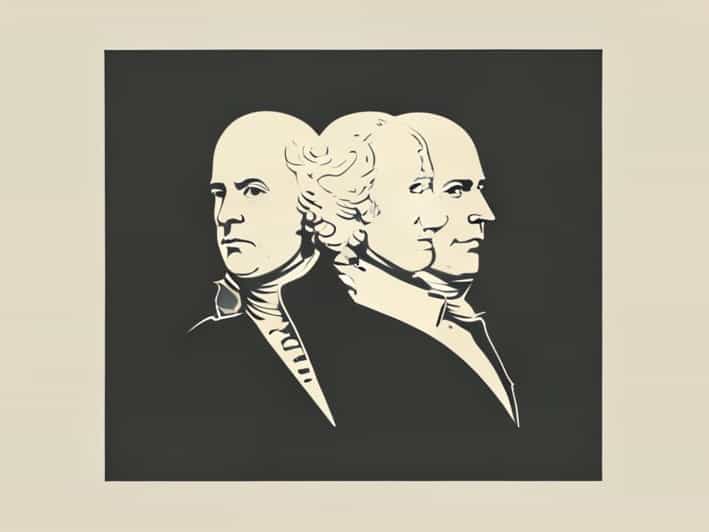
The theory of separation of powers by Montesquieu is one of the most influential ideas in political philosophy, forming the foundation of many modern democratic governments. Introduced in the 18th century, this theory emphasizes the division of governmental powers into distinct branches to prevent the concentration of authority and protect individual freedoms. Montesquieu’s work, particularly in his bookThe Spirit of the Laws, argued that liberty is safest when legislative, executive, and judicial powers are separate and balanced. This concept has shaped constitutions around the world and remains a central principle in political science and law, highlighting the importance of checks and balances to maintain justice and prevent tyranny.
Origins and Background
Charles-Louis de Secondat, Baron de Montesquieu, was a French philosopher and lawyer born in 1689. He lived during a period of absolute monarchies in Europe, where power was often centralized in the hands of kings and rulers. Witnessing the potential for abuse of authority, Montesquieu sought a system that would safeguard liberty while maintaining order. Influenced by classical political thought, English constitutional practices, and the works of thinkers like John Locke, he developed the idea that the powers of government should not be concentrated in a single body or individual. His observations of England’s constitutional monarchy inspired him to advocate for a clear separation of powers to prevent corruption and oppression.
Core Principles of the Theory
Montesquieu’s theory of separation of powers is based on the idea that political liberty and justice can only exist when power is divided among different branches of government. The three main branches he identified are
- Legislative PowerResponsible for making laws. This branch should be distinct to prevent rulers from enacting laws that serve only their interests.
- Executive PowerResponsible for enforcing and administering laws. By separating this from legislative power, rulers cannot manipulate laws for personal gain.
- Judicial PowerResponsible for interpreting laws and delivering justice. Independent courts ensure that laws are applied fairly without political interference.
Montesquieu argued that each branch should have the ability to check the others, creating a system of mutual control known as checks and balances. This prevents any one branch from becoming too powerful and ensures that liberty is protected.
Importance of Checks and Balances
The concept of checks and balances is central to Montesquieu’s theory. It ensures that no branch of government can dominate the others. For example, the legislature may create laws, but the executive has the power to enforce them, and the judiciary has the authority to review their constitutionality. This interdependence maintains a balance that protects citizens from arbitrary decisions and abuses of power. By creating mechanisms to control each branch, Montesquieu promoted accountability and transparency in governance, which are essential for a fair and stable political system.
Influence on Modern Constitutions
Montesquieu’s ideas have had a profound impact on modern democratic systems, particularly in the design of constitutions. The United States Constitution, for instance, reflects the principles of separation of powers, dividing government authority among the legislative, executive, and judicial branches. Many other countries, including France, India, and Germany, have also incorporated these ideas to ensure that power is balanced and that citizens’ rights are protected. Beyond constitutions, the theory influences the functioning of governmental institutions, encouraging transparency, accountability, and the rule of law in public administration.
Applications in Contemporary Governance
Today, the theory of separation of powers is not just a philosophical concept but a practical framework for governance. Governments implement this principle to prevent corruption, abuse of power, and authoritarianism. In practice, it means that lawmakers cannot unilaterally enforce laws, executives cannot create laws, and judges cannot legislate. By clearly defining the roles and responsibilities of each branch, societies can foster democracy, promote political stability, and ensure that public institutions serve the common good. This separation also encourages debate, deliberation, and compromise, which are essential components of a healthy democratic system.
Challenges and Criticisms
While the theory is widely respected, it is not without challenges. In some cases, the separation of powers can lead to gridlock, where different branches of government block each other’s actions, delaying important decisions. Critics also argue that strict separation may not always be practical, as some collaboration between branches is necessary for effective governance. Despite these issues, the principle remains valuable because it highlights the dangers of concentrated power and provides a framework for accountability and fairness in government operations.
Legacy of Montesquieu’s Theory
The legacy of Montesquieu’s theory of separation of powers is enduring and global. It has shaped political thought, inspired reform movements, and influenced the drafting of constitutions worldwide. By advocating for a system in which power is divided and balanced, Montesquieu contributed to the development of modern democracy and the protection of individual freedoms. His insights remind societies that liberty and justice require structural safeguards, transparency, and vigilance against abuses of authority.
Montesquieu’s theory of separation of powers remains a cornerstone of political philosophy and democratic governance. By dividing government into legislative, executive, and judicial branches, and instituting checks and balances, it creates a system designed to prevent tyranny and protect liberty. The theory has shaped modern constitutions, influenced global political thought, and continues to guide policymakers in maintaining fair, accountable, and balanced governance. Understanding and applying these principles ensures that governments operate efficiently while respecting the rights and freedoms of their citizens, reflecting the enduring relevance of Montesquieu’s vision in contemporary society.