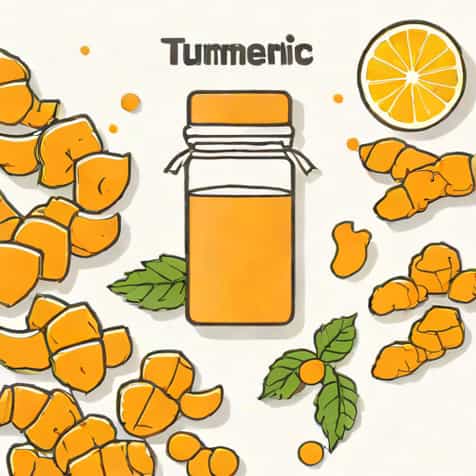
Turmeric is widely celebrated for its medicinal properties, vibrant color, and culinary uses, particularly in Asian cuisine. Known scientifically as Curcuma longa, turmeric has gained global popularity as a natural remedy due to its anti-inflammatory and antioxidant effects. While many people incorporate turmeric into their diets or supplements to promote health, it is important to recognize that excessive consumption or sensitivity to this spice can lead to side effects. Understanding the potential adverse effects of turmeric is crucial for anyone considering it for therapeutic purposes, ensuring its safe use while maximizing its benefits. Despite its many advantages, awareness of dosage, interactions, and personal health conditions plays a key role in avoiding negative outcomes.
Digestive Issues
One of the most common side effects of turmeric is digestive discomfort. Consuming large amounts of turmeric, particularly in supplement form, can lead to stomach upset, nausea, or bloating. Turmeric contains curcumin, a compound that may stimulate gastric acid production, which can exacerbate symptoms in individuals prone to acid reflux or gastritis. Mild diarrhea is another reported effect, particularly when turmeric is ingested in concentrated doses. To reduce the risk of digestive issues, it is recommended to start with small amounts and monitor your body’s response before increasing intake.
Tips for Minimizing Digestive Problems
- Consume turmeric with meals rather than on an empty stomach.
- Combine turmeric with black pepper, which can enhance absorption and reduce irritation.
- Opt for lower doses if using supplements, gradually increasing as tolerated.
- Stay hydrated to help the digestive system process the spice efficiently.
Allergic Reactions
Although rare, some individuals may experience allergic reactions to turmeric. Symptoms can include skin rashes, itching, or hives, particularly in people with sensitivities to other spices in the ginger family. In severe cases, respiratory issues such as shortness of breath or nasal congestion may occur. Anyone with known allergies to turmeric or related spices should exercise caution and consult a healthcare provider before consumption. Performing a patch test or starting with minimal doses can help identify potential allergic reactions early.
Recognizing Turmeric Allergies
- Redness or irritation on the skin following topical application.
- Gastrointestinal discomfort that occurs shortly after ingestion.
- Respiratory symptoms, such as coughing or sneezing, in sensitive individuals.
- Persistent itching or swelling that does not subside.
Blood Thinning Effects
Turmeric has natural blood-thinning properties, which can be beneficial for improving circulation but may pose risks in certain situations. Excessive consumption can increase the risk of bleeding, especially in individuals taking anticoagulant or antiplatelet medications. Surgical patients should also be cautious, as turmeric could interfere with blood clotting during and after procedures. Discussing turmeric use with a healthcare provider is essential for anyone on blood-thinning medication or preparing for surgery to avoid complications.
Precautions for Blood Thinning
- Avoid high-dose turmeric supplements without medical guidance if taking anticoagulants.
- Inform your doctor about turmeric use before any surgical procedure.
- Monitor for unusual bruising or prolonged bleeding.
- Consider dietary sources rather than concentrated supplements for safer intake.
Interaction with Medications
Turmeric can interact with a variety of medications, potentially altering their effectiveness or causing adverse reactions. For example, turmeric may enhance the effects of blood sugar-lowering medications, leading to hypoglycemia in diabetics. It can also interfere with certain chemotherapeutic drugs, reducing their efficacy or intensifying side effects. People taking medications for heart disease, blood pressure, or stomach acid should consult a healthcare provider before incorporating high doses of turmeric or curcumin supplements. Understanding these interactions ensures both safety and the therapeutic benefits of turmeric without compromising treatment outcomes.
Common Medication Interactions
- Anticoagulants such as warfarin or aspirin, increasing bleeding risk.
- Diabetes medications, which may lead to lower blood sugar than intended.
- Medications for stomach acid, as turmeric may alter acidity levels.
- Certain chemotherapy drugs, potentially affecting drug metabolism and efficacy.
Kidney and Gallbladder Considerations
Individuals with kidney or gallbladder issues should exercise caution when consuming turmeric in large quantities. Turmeric contains oxalates, which may contribute to the formation of kidney stones in susceptible individuals. People with gallstones or bile duct obstructions might experience worsened symptoms, as turmeric can stimulate bile production. Moderation and consultation with a medical professional are key for individuals with these conditions, ensuring that turmeric provides benefits without exacerbating existing health problems.
Guidelines for Sensitive Individuals
- Limit turmeric intake if prone to kidney stones or gallbladder issues.
- Consider monitoring oxalate levels and kidney function when taking high-dose supplements.
- Opt for dietary turmeric rather than concentrated forms if at risk.
- Seek medical advice before combining turmeric with other supplements or herbal remedies.
Potential Pregnancy and Breastfeeding Risks
While turmeric is commonly used as a spice in culinary applications, pregnant and breastfeeding women should approach supplementation with caution. High doses of turmeric supplements may stimulate uterine contractions or affect fetal development. Topical or dietary use in small amounts is generally considered safe, but concentrated extracts should be avoided unless recommended by a healthcare professional. Ensuring appropriate dosage and form is crucial for maternal and infant health.
Recommendations for Expectant and Nursing Mothers
- Use culinary turmeric sparingly in meals rather than high-dose supplements.
- Consult a doctor before taking curcumin or turmeric extracts.
- Avoid self-medicating with herbal remedies during pregnancy or breastfeeding.
- Be aware of any adverse reactions and seek immediate advice if symptoms occur.
Long-Term High-Dose Use
Long-term consumption of high-dose turmeric supplements may pose additional risks, such as liver toxicity or gastrointestinal complications. Although rare, cases of liver inflammation have been reported in individuals consuming excessive curcumin supplements. Regular monitoring and using moderate doses are recommended for anyone taking turmeric over extended periods. Adhering to recommended dietary guidelines ensures that the health benefits of turmeric are achieved safely without compromising organ function or overall well-being.
Safe Usage Tips
- Stick to recommended supplement doses and avoid excessive long-term intake.
- Combine turmeric with food to enhance absorption and reduce potential irritation.
- Monitor liver function if consuming high-dose supplements regularly.
- Alternate between turmeric sources, such as dietary spices and supplements, to reduce risk.
Turmeric offers numerous health benefits, ranging from anti-inflammatory and antioxidant effects to potential support for heart and brain health. However, understanding the side effects is essential for safe use. Common issues such as digestive discomfort, allergic reactions, and interactions with medications highlight the importance of moderation and professional guidance. Sensitive populations, including pregnant women, individuals with kidney or gallbladder issues, and those on blood-thinning medications, should take extra precautions. By using turmeric responsibly and being aware of its potential risks, individuals can enjoy its benefits while minimizing adverse effects.
Ultimately, the key to safe turmeric use lies in balance, informed decisions, and attention to individual health conditions. Culinary use in moderate amounts is generally safe for most people, while supplements should be approached with caution. Awareness of potential side effects, interactions, and pre-existing conditions ensures that turmeric continues to be a valuable addition to health and wellness routines without compromising safety or effectiveness.