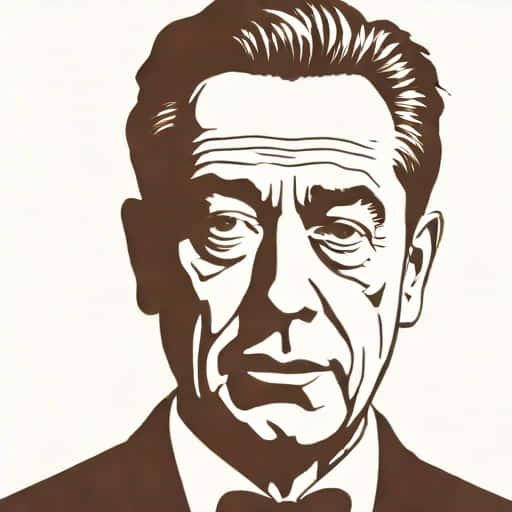
Albert Camus’ The Rebel is one of the most profound explorations of human consciousness, morality, and political philosophy in the 20th century. Published in 1951, the book delves into the nature of rebellion and revolution, examining why individuals and societies resist oppression, injustice, and the absurdity of existence. Camus approaches rebellion not simply as political or social upheaval but as a deeply personal and philosophical act that questions the meaning of life and the ethical limits of resistance. Through a careful analysis of history, literature, and philosophy, The Rebel challenges readers to consider the balance between freedom, justice, and the human condition, offering timeless insights relevant even in contemporary discussions about morality and revolution.
Historical and Philosophical Context
Written in the aftermath of World War II, The Rebel reflects Camus’ response to the totalitarian ideologies that had ravaged Europe. The devastation caused by fascism and communism, along with the moral dilemmas surrounding collaboration and resistance, deeply influenced Camus’ thinking. In this work, he critiques both the justifications for violent revolution and the dehumanizing ideologies that demand absolute conformity. Philosophically, the book continues Camus’ exploration of absurdism, a concept he first articulated in The Myth of Sisyphus, emphasizing the conflict between humans’ search for meaning and the indifferent universe. In The Rebel, rebellion is presented as a conscious acknowledgment of this absurd condition, a refusal to accept injustice or passively endure suffering.
The Definition of Rebellion
Camus begins by defining what he means by rebellion. A rebel is someone who says no to oppression, injustice, or meaninglessness, yet simultaneously asserts a yes to human dignity and freedom. Rebellion is thus a paradoxical act it denies existing authority while affirming certain moral values. This ethical duality sets rebellion apart from mere lawlessness or nihilism. For Camus, rebellion is not just an act of defiance but a moral stance, a way to engage with life without resorting to absolute violence or totalitarian thinking. It is a declaration that even in a world devoid of inherent meaning, human beings can assert principles that protect the integrity and dignity of themselves and others.
Rebellion in History and Literature
Camus illustrates his philosophical ideas by drawing on examples from history, literature, and myth. He examines the French Revolution, the Russian Revolution, and various revolutionary movements to highlight the tension between idealism and the corrupting influence of power. According to Camus, many revolutions begin as expressions of moral outrage but eventually become instruments of terror, betraying the very principles that inspired them. Similarly, he analyzes literary figures like Prometheus and Don Quixote as archetypes of the rebel individuals who resist oppression, confront injustice, and challenge arbitrary authority, yet do so in ways that illuminate broader moral truths rather than seek domination.
- The French Revolution Illustrates the dangers of excessive idealism turning into terror.
- The Russian Revolution Demonstrates how rebellion can be corrupted by ideology.
- Prometheus and Don Quixote Symbolize moral and philosophical resistance against oppressive forces.
The Limits of Rebellion
A crucial aspect of Camus’ argument is the ethical limit of rebellion. While rebellion asserts human dignity, it can cross into destruction and tyranny if untethered from moral principles. Camus warns against the justification of atrocities in the name of historical or ideological necessity. He emphasizes that the rebel must constantly negotiate the tension between the need for justice and the dangers of absolute power. In this way, The Rebel is both a philosophical meditation and a cautionary guide, urging ethical reflection in all acts of resistance, whether personal, social, or political.
Rebellion, Freedom, and Justice
Central to Camus’ thesis is the relationship between rebellion, freedom, and justice. He argues that true rebellion is inseparable from the affirmation of human values. A rebel seeks not only to oppose tyranny but also to protect the moral and spiritual integrity of the self and others. Rebellion becomes an expression of freedom the capacity to choose moral action in the face of absurdity and oppression. By insisting on the dignity of each individual, the rebel creates a framework for justice that is ethical rather than utilitarian, guided by conscience rather than ideology.
Modern Relevance
Even decades after its publication, The Rebel resonates with contemporary readers. In an era marked by political polarization, systemic injustice, and social upheaval, Camus’ reflections on rebellion encourage ethical engagement with society. His insistence on balancing resistance with moral responsibility is particularly relevant in debates about civil disobedience, activism, and the limits of revolutionary action. By promoting rebellion grounded in respect for human dignity and reason, Camus offers guidance for navigating the ethical complexities of modern life.
- Ethical engagement Encourages thoughtful resistance rather than blind opposition.
- Modern activism Provides a framework for balancing protest with moral responsibility.
- Philosophical reflection Connects personal and societal rebellion to universal human values.
Albert Camus’ The Rebel is a seminal work that combines philosophy, history, and literature to explore the nature of rebellion. It challenges readers to consider not only why people rebel but also how rebellion can remain ethical and meaningful. Through its analysis of historical revolutions, literary archetypes, and philosophical arguments, the book underscores the delicate balance between freedom, justice, and human dignity. More than half a century after its publication, The Rebel continues to inspire readers to confront absurdity, resist injustice, and uphold ethical principles in a complex and often unjust world. By understanding the insights Camus provides, individuals can approach rebellion not as chaos or destruction but as a thoughtful, principled engagement with life and society.