Students studying human anatomy often encounter detailed questions that seem simple at first but require a clear understanding of basic concepts. One common example is the question, the pleurae are which type of membrane, a phrase frequently searched alongside study tools like Quizlet. While the answer itself is short, fully understanding it requires knowledge of body membranes, their structure, and their function in the respiratory system. Exploring this topic in depth helps learners move beyond memorization and develop real anatomical understanding.
Introduction to Body Membranes
Body membranes are thin layers of tissue that cover surfaces, line cavities, and protect internal organs. They play essential roles in protection, lubrication, absorption, and secretion. In anatomy, membranes are classified based on their structure and location, rather than just their function.
Understanding the different types of membranes is a foundational concept in biology and anatomy courses. This is why questions about membrane classification, such as those involving the pleurae, frequently appear in exams, flashcards, and learning platforms.
Major Types of Body Membranes
In general anatomy, body membranes are grouped into several major categories. Each type has distinct characteristics that help identify where it is found and what it does.
Epithelial Membranes
Epithelial membranes consist of epithelial tissue combined with connective tissue. These membranes cover surfaces and line cavities that open to the outside of the body or contain internal organs.
- Cutaneous membranes, such as the skin
- Mucous membranes, lining passages like the digestive and respiratory tracts
- Serous membranes, lining closed body cavities
Connective Tissue Membranes
Unlike epithelial membranes, connective tissue membranes do not contain epithelial tissue. They are made entirely of connective tissue and are usually found around joints and organs.
Examples include synovial membranes, which line joint cavities and produce synovial fluid.
What Are the Pleurae?
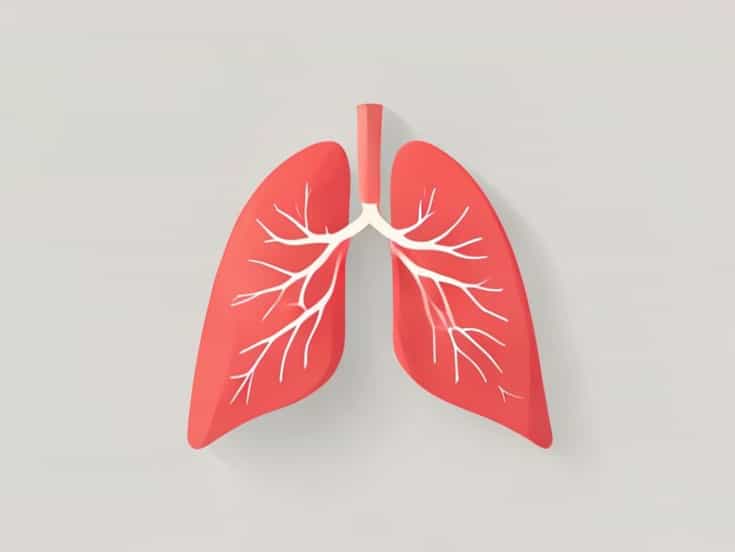
The pleurae are membranes associated with the lungs and the thoracic cavity. Each lung is surrounded by a pleura, forming a protective and functional lining that supports breathing.
There are two main layers of the pleura
- The visceral pleura, which covers the surface of the lungs
- The parietal pleura, which lines the inner wall of the chest cavity
Between these two layers is the pleural cavity, a potential space containing a small amount of lubricating fluid.
The Pleurae as a Type of Membrane
To answer the question the pleurae are which type of membrane, the correct classification is that the pleurae are serous membranes. This is the key point often tested in anatomy quizzes and flashcards.
Serous membranes are a subtype of epithelial membranes. They line closed body cavities and cover internal organs, secreting a thin, watery fluid called serous fluid. The pleurae fit this description precisely.
Why the Pleurae Are Serous Membranes
Several characteristics confirm that the pleurae are serous membranes
- They line a closed body cavity (the thoracic cavity)
- They cover internal organs (the lungs)
- They consist of simple squamous epithelium over connective tissue
- They produce serous fluid for lubrication
These features clearly distinguish the pleurae from mucous membranes or connective tissue membranes.
Structure of Serous Membranes
Serous membranes share a common structure regardless of their location in the body. They are composed of a thin layer of simple squamous epithelial cells called mesothelium, supported by a layer of areolar connective tissue.
This structure allows serous membranes to be both strong and flexible. The smooth epithelial surface reduces friction, which is especially important in areas where organs move frequently.
Function of the Pleurae
The primary function of the pleurae is to reduce friction during breathing. As the lungs expand and contract, the pleural fluid allows the visceral and parietal layers to slide smoothly against each other.
The pleurae also help maintain proper lung position within the chest cavity. The slight negative pressure in the pleural cavity keeps the lungs inflated and closely attached to the chest wall.
Comparison With Other Serous Membranes
The pleurae are not the only serous membranes in the human body. Comparing them with other serous membranes helps reinforce their classification.
- The pericardium surrounds the heart
- The peritoneum lines the abdominal cavity and covers digestive organs
All of these membranes share similar structure and function, differing mainly in location and the organs they protect.
Common Confusion in Anatomy Questions
Students sometimes confuse the pleurae with mucous membranes because both are associated with the respiratory system. However, mucous membranes line passages that open to the outside of the body, such as the nasal cavity and trachea.
The pleurae, by contrast, line a closed cavity and do not open to the external environment. This distinction is essential for correctly answering anatomy questions.
Why This Question Appears on Study Platforms
The phrasing the pleurae are which type of membrane is commonly found on flashcard platforms like Quizlet because it tests both memorization and understanding. It requires students to recall membrane classifications and apply them to a specific anatomical structure.
These types of questions are popular in introductory anatomy and physiology courses, as they build the foundation for more advanced topics such as respiratory mechanics and pathology.
Clinical Relevance of the Pleurae
Understanding the pleurae as serous membranes is not just academically important. It also has clinical relevance. Conditions such as pleuritis, pleural effusion, and pneumothorax directly involve the pleural membranes.
In these conditions, the normal function of serous fluid and membrane structure is disrupted, leading to pain, difficulty breathing, or lung collapse.
Learning Tips for Anatomy Students
To remember that the pleurae are serous membranes, it can help to group them mentally with the pericardium and peritoneum. All three are named based on location but share the same membrane type.
Visualizing the layers and imagining how organs move against each other can also reinforce why lubrication is essential and why serous membranes exist.
The question the pleurae are which type of membrane may seem straightforward, but it represents a key concept in human anatomy. The correct answer is that the pleurae are serous membranes, a subtype of epithelial membrane designed to line closed body cavities and reduce friction.
By understanding their structure, function, and classification, students gain deeper insight into how the respiratory system works and why membrane types matter. This knowledge supports both academic success and a stronger grasp of human biology as a whole.