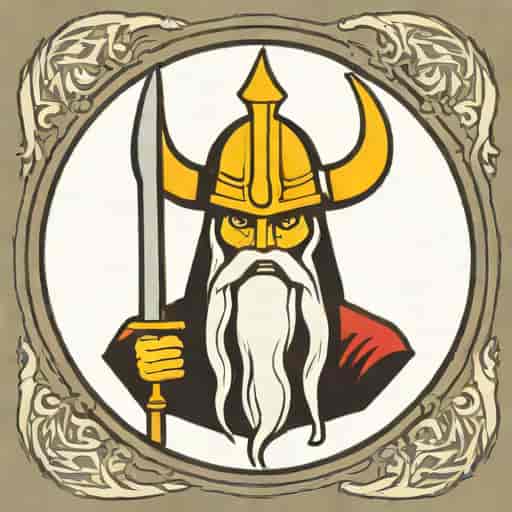
The Old Gods of Asgard hold a prominent place in Norse mythology, representing the divine beings who governed the realms of gods, humans, and other mythical creatures. These gods, often associated with immense power, wisdom, and influence over nature and human destiny, have fascinated scholars, storytellers, and enthusiasts for centuries. Asgard itself is described as the celestial stronghold of these deities, a place of grandeur, eternal halls, and cosmic significance. Understanding the Old Gods of Asgard offers insight not only into ancient Scandinavian beliefs but also into the symbolic and cultural values embedded in Norse mythological traditions. Their stories of heroism, conflict, and cosmic order continue to inspire literature, art, and modern popular culture.
Origins and Historical Context
The concept of the Old Gods of Asgard emerges from the rich tapestry of Norse mythology, which was primarily recorded in texts such as the Poetic Edda and the Prose Edda. These gods were revered by the ancient Scandinavian peoples who lived in what is now Norway, Sweden, Denmark, and Iceland. The Old Gods were considered part of the Æsir, a tribe of deities associated with war, governance, and protection. Their worship and mythologies developed over centuries, blending with local traditions and evolving as societies changed. The historical context of these gods reflects both the harsh realities of the natural world and the spiritual aspirations of the Norse people.
Main Deities of Asgard
The pantheon of the Old Gods of Asgard includes several key figures, each with unique attributes, powers, and domains. Among the most prominent are
- OdinThe All-Father and chief of the gods, associated with wisdom, war, and magic. Odin is often depicted as a one-eyed figure who sacrifices greatly in his quest for knowledge.
- ThorThe thunder god and protector of both gods and humans. Known for his immense strength and his hammer, Mjölnir, Thor embodies courage, protection, and the force of nature.
- FriggOdin’s wife and the goddess of foresight, marriage, and domestic harmony. She is often invoked for guidance and protection of families.
- LokiA complex figure, sometimes considered a god and sometimes a trickster. Loki’s cunning, mischief, and ability to shape-shift create both challenges and unexpected solutions for the gods of Asgard.
- HeimdallGuardian of the Bifrost, the rainbow bridge connecting Asgard to the human world. Heimdall is known for his keen senses and vigilance.
- BaldrGod of light, purity, and beauty, whose tragic death signifies the fragility of life and the inevitability of fate in Norse cosmology.
Asgard and the Cosmic Order
Asgard is not merely a dwelling for the Old Gods but also a symbol of cosmic order and divine governance. In Norse mythology, the universe is divided into multiple realms connected by the world tree Yggdrasil. Asgard stands as the center of divine authority, housing the halls of the gods, such as Valhalla and Folkvangr. Valhalla, in particular, is a legendary hall where warriors chosen by Odin are welcomed after dying honorably in battle. These warriors, known as the Einherjar, prepare for the prophesied events of Ragnarök, the end of the world, illustrating how Asgard functions as both a spiritual and a practical hub within the cosmic framework.
Rituals and Worship
Worship of the Old Gods of Asgard involved rituals, offerings, and festivals that reflected the relationship between humans and the divine. Temples, sacred groves, and outdoor altars were common sites for prayer and sacrifice. Offerings could include food, drink, or symbolic items to seek favor, protection, or guidance from the gods. The rituals emphasized the interconnection between mortal and divine, illustrating respect, reverence, and acknowledgment of the gods’ power over life, death, and natural forces. These practices helped reinforce social cohesion and cultural identity within Norse societies.
Legends and Mythical Narratives
The myths surrounding the Old Gods of Asgard are rich with epic tales of heroism, betrayal, creation, and cosmic struggle. Stories such as the theft of Thor’s hammer by giants, Odin’s quest for wisdom at Mimir’s well, and Loki’s various tricks demonstrate the complexity of these deities and their interaction with the world. The narratives often carry moral, philosophical, and cosmological lessons, illustrating the balance between order and chaos, fate and free will, life and death. These myths have been passed down through oral tradition, later recorded in manuscripts, and continue to captivate readers and audiences worldwide.
The Role of Fate and Ragnarök
A central theme in the mythology of the Old Gods of Asgard is the inevitability of fate. Despite their immense power, the gods are not omnipotent and are subject to the decrees of destiny. Ragnarök, the prophesied apocalypse, depicts the ultimate battle in which many gods meet their end, including Odin and Thor, while the cosmos is reborn. This theme underscores the Norse perspective on life, emphasizing courage, honor, and resilience in the face of inevitable change. It also reflects the cyclical nature of the universe and the enduring legacy of the gods’ deeds and wisdom.
Influence on Modern Culture
The Old Gods of Asgard continue to influence literature, art, and popular culture. They appear in novels, comics, films, and video games, often reinterpreted for contemporary audiences. Marvel’s depiction of Thor and Loki, for instance, introduces Norse mythology to a global audience, while preserving core elements of their legendary narratives. Beyond entertainment, the mythology inspires scholarly research, spiritual exploration, and artistic expression, highlighting the timeless relevance of these ancient deities. The fascination with Asgard and its gods reflects humanity’s enduring interest in mythology, heroism, and the divine.
Symbolism and Lessons
The stories of the Old Gods of Asgard are rich in symbolism and ethical lessons. Odin represents wisdom and sacrifice, Thor embodies protection and courage, and Loki reflects the complexities of human behavior and the consequences of deceit. These archetypes provide guidance and reflection for human life, illustrating themes such as honor, resilience, intelligence, and moral responsibility. The myths encourage individuals to navigate challenges, embrace their strengths, and understand the consequences of their actions, making the Old Gods of Asgard not only figures of legend but also sources of enduring wisdom.