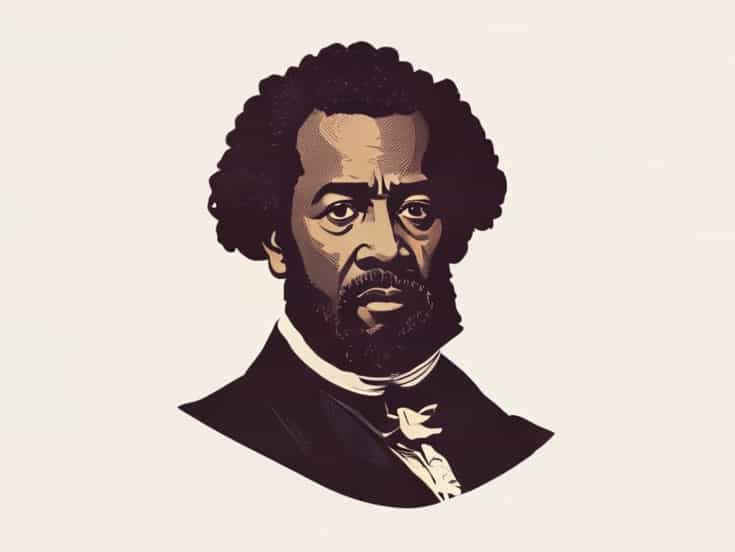
The Narrative of the Life of Frederick Douglass stands as one of the most powerful autobiographical works in American history. First published in the nineteenth century, it offers a deeply personal account of slavery from the perspective of someone who lived through its brutality and escaped it. Written with clarity and emotional force, the narrative does more than tell one man’s story. It exposes the cruelty of slavery, challenges racist assumptions, and asserts the humanity and intelligence of enslaved people. For modern readers, the work remains relevant because it speaks about freedom, identity, and the power of education.
Background of the Narrative
The Narrative of the Life of Frederick Douglass was written during a time when slavery was still legal in the United States. Douglass published his story to support the abolitionist movement and to provide undeniable evidence of the realities of slavery. At the time, many white Americans doubted that formerly enslaved people could write such articulate and thoughtful works. Douglass’s narrative directly challenged those beliefs.
By sharing his life story under his real name, Douglass took a personal risk. He exposed himself to potential capture and punishment, but he believed that telling the truth was more important than his own safety. This courage adds to the lasting impact of the narrative.
Early Life and the Pain of Separation
Frederick Douglass begins his narrative by describing his early childhood in slavery. He explains that enslaved children were often separated from their mothers at a very young age. This separation was intentional, designed to weaken family bonds and reduce resistance.
Douglass recalls not knowing his exact birth date, a common experience for enslaved people. This lack of basic personal information highlights how slavery stripped individuals of identity and dignity. From the beginning, the narrative shows how slavery affected not only the body, but also the mind and sense of self.
The Role of Violence in Slavery
Violence is a recurring theme throughout the Narrative of the Life of Frederick Douglass. He describes brutal beatings, whippings, and punishments inflicted on enslaved men and women. These scenes are not included for shock alone, but to reveal how violence was used to maintain control.
Douglass makes it clear that cruelty was not limited to a few bad individuals. Instead, the system of slavery encouraged violence by giving slaveholders absolute power. Even people who seemed kind at first could become cruel once they participated in the system.
Examples of Systemic Cruelty
- Public whippings meant to intimidate others
- Punishment without clear reason
- Emotional abuse alongside physical violence
- Lack of legal protection for enslaved people
Education as a Path to Freedom
One of the most important themes in the narrative is education. Douglass explains how learning to read and write changed his understanding of the world. Initially, his master’s wife teaches him the alphabet, but she is later forbidden from continuing.
This moment becomes a turning point. Douglass realizes that education is dangerous to the institution of slavery because it empowers enslaved people to think critically. He continues learning in secret, using newspapers and books to expand his knowledge.
The Psychological Impact of Knowledge
While education gives Douglass hope, it also brings pain. As he becomes more aware of injustice, he feels the weight of his condition more deeply. Knowledge shows him what freedom looks like, making slavery even harder to endure.
This emotional conflict adds depth to the narrative. Douglass does not present learning as a simple solution, but as a complex process that awakens both ambition and suffering.
Resistance and the Fight for Self-Respect
A key moment in the Narrative of the Life of Frederick Douglass is his physical confrontation with a slave breaker. This fight represents more than a moment of anger. It marks Douglass’s decision to resist dehumanization.
After this event, Douglass states that he felt like a man again. Although he remains enslaved, his spirit is no longer broken. This moment symbolizes the importance of self-respect and resistance, even under extreme oppression.
Forms of Resistance in the Narrative
- Physical resistance against abuse
- Secret education and self-teaching
- Mental refusal to accept inferiority
- Planning and dreaming of escape
The Hypocrisy of Religion
Douglass strongly criticizes the version of Christianity practiced by many slaveholders. He distinguishes between true Christian values and the religion used to justify slavery. According to Douglass, slaveholding religion promotes cruelty while pretending to uphold morality.
This critique is important because it challenges readers who might use faith as a defense of injustice. Douglass argues that true religion should inspire compassion and equality, not oppression.
The Escape to Freedom
Although Douglass does not provide detailed information about his escape, he makes it clear that gaining freedom was both dangerous and uncertain. He avoids specific details to protect others who might attempt escape in the future.
Once free, Douglass experiences both relief and new challenges. Freedom does not erase the trauma of slavery, but it allows him to speak openly and work toward change.
Life After Slavery and Public Voice
After escaping, Frederick Douglass becomes a powerful speaker and writer. His narrative establishes his credibility and helps him gain recognition within the abolitionist movement. He uses his voice to argue against slavery and advocate for equal rights.
The narrative is not only a personal story, but also a political tool. It encourages readers to confront uncomfortable truths and question systems of power.
Literary Style and Impact
The writing style of the Narrative of the Life of Frederick Douglass is clear, direct, and emotionally honest. Douglass avoids exaggeration, allowing facts and personal experience to speak for themselves. This approach strengthens the narrative’s credibility.
The book influenced public opinion and inspired future generations of writers and activists. It remains widely studied because of its historical importance and literary quality.
Why the Narrative Still Matters Today
The themes explored in the Narrative of the Life of Frederick Douglass continue to resonate. Issues of racial injustice, access to education, and human dignity are still relevant in modern society. The narrative encourages readers to reflect on freedom not as an abstract idea, but as a lived experience.
By telling his story, Douglass reminds us that personal narratives can challenge injustice and inspire change.
The Narrative of the Life of Frederick Douglass is a powerful testament to the human spirit’s desire for freedom and dignity. Through his honest and courageous storytelling, Douglass exposes the cruelty of slavery while affirming the importance of education, resistance, and moral truth. The narrative remains an essential work for understanding American history and the enduring struggle for equality.