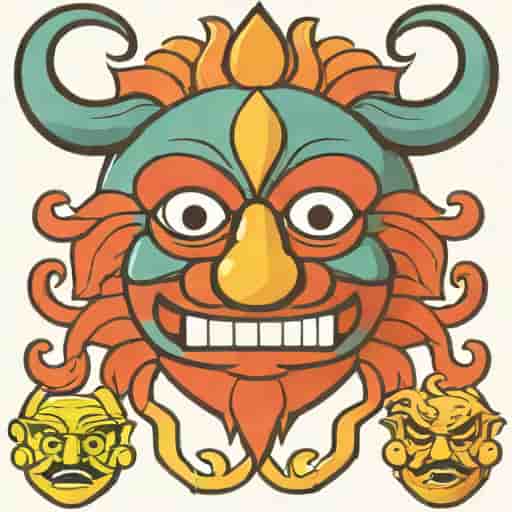
The modern satiric grotesque is a fascinating literary and artistic form that blends humor, horror, exaggeration, and social critique to challenge norms and provoke thought. Rooted in centuries of literary tradition, the grotesque has evolved from classical literature and visual art into a modern mode that reflects contemporary anxieties, absurdities, and contradictions. Unlike straightforward satire or pure horror, the satiric grotesque intertwines comedy and discomfort, often presenting the human condition in distorted yet revealing ways. Its power lies in its ability to simultaneously entertain and unsettle, forcing audiences to confront societal, political, and psychological truths that might otherwise go unnoticed.
Historical Foundations of the Grotesque
To understand the modern satiric grotesque, it is essential to trace its historical roots. The grotesque first emerged in classical art and literature, with Roman frescoes and Renaissance ornamentation blending human, animal, and vegetal forms into fantastical compositions. These early grotesques were decorative, but they also reflected curiosity about the unnatural, the absurd, and the boundaries of human perception. By the seventeenth and eighteenth centuries, grotesque elements had entered literature, particularly in the works of Jonathan Swift, Henry Fielding, and other satirists who used exaggeration, deformity, and absurd scenarios to critique societal norms and human folly.
Classical Influences
The grotesque in classical literature and art often highlighted contradictions the beautiful and the ugly, the natural and the unnatural, the comic and the tragic. Writers and artists used distorted figures, improbable events, and exaggerated traits to draw attention to moral, social, or philosophical truths. These early examples laid the groundwork for the modern grotesque’s focus on psychological and social critique.
Characteristics of the Modern Satiric Grotesque
Modern satiric grotesque literature and art are marked by specific features that distinguish them from other genres. While rooted in tradition, contemporary practitioners have adapted the grotesque to address current cultural, political, and existential concerns.
Exaggeration and Distortion
Exaggeration is a central feature of the grotesque. Characters, settings, and events are often distorted to highlight absurdities, contradictions, or injustices. In literature, this might include hyperbolic descriptions of human behavior, grotesque physical traits, or surreal events that expose deeper truths about society or human psychology. The purpose is not merely to shock but to reveal underlying realities in a more impactful and memorable way.
Satire and Social Critique
The satiric element of the grotesque enables creators to comment on social, political, or cultural issues. By combining humor with discomfort or horror, the grotesque exposes hypocrisy, corruption, and moral weakness in ways that straightforward critique often cannot achieve. For example, a grotesque character may embody the worst tendencies of a society, such as greed, vanity, or cruelty, amplifying these traits to a level that forces audiences to reflect on their implications.
Ambiguity and Uncertainty
Modern grotesque works often embrace ambiguity. Characters may be simultaneously sympathetic and repulsive, situations may be comic and tragic, and the boundaries between reality and absurdity are frequently blurred. This uncertainty encourages critical engagement from audiences, prompting them to interpret and question rather than passively consume. The grotesque thus becomes a tool for exploring moral complexity, existential anxiety, and societal contradictions.
Notable Traditions and Examples
The modern satiric grotesque draws on a variety of literary and artistic traditions, blending elements from multiple eras to create a distinctive form.
Literary Traditions
- Gothic LiteratureNineteenth-century Gothic novels often feature grotesque settings, deformed characters, and moral ambiguity, creating a sense of horror combined with social commentary.
- Satirical FictionWriters like Jonathan Swift and Voltaire pioneered the use of exaggerated scenarios and grotesque characterization to critique human folly, a method that continues to influence contemporary grotesque literature.
- Absurdist TheaterModern absurdist plays, such as those by Samuel Beckett, employ grotesque imagery and situations to examine existential questions and societal absurdities.
Artistic and Visual Traditions
Visual art has also shaped the modern grotesque. Artists such as Francisco Goya, Hieronymus Bosch, and more recently, contemporary graphic novelists, use grotesque imagery to explore human folly, societal violence, and psychological complexity. The interplay between visual and literary grotesque enriches modern satire, providing multiple avenues for critique and reflection.
The Function of the Modern Satiric Grotesque
The modern satiric grotesque serves several important functions in literature, theater, and visual art. It entertains, provokes, and educates by presenting familiar situations in unfamiliar, exaggerated, or disturbing ways. By highlighting contradictions and absurdities, the grotesque encourages audiences to confront uncomfortable truths about society, morality, and human nature.
Entertainment Through Distortion
The grotesque captivates audiences with its unusual characters, bizarre scenarios, and exaggerated traits. Humor and horror are often intertwined, providing both amusement and emotional intensity. This duality allows creators to engage audiences on multiple levels, making the grotesque a compelling and memorable experience.
Provocation and Critical Reflection
By presenting exaggerated versions of societal norms or human behavior, the grotesque provokes reflection. Readers or viewers are encouraged to question the absurdity or injustice of real-world parallels. Satirical grotesque works can critique political corruption, social inequality, and moral hypocrisy without being didactic, relying instead on the power of exaggeration and distortion to make a point.
Exploration of Human Psychology
The grotesque often delves into the complexities of human psychology, exposing fears, desires, and irrational behaviors. By presenting characters and situations in extreme or distorted forms, the grotesque illuminates hidden aspects of the human psyche, offering insight into motivations, anxieties, and social pressures.
Modern Examples and Adaptations
Contemporary literature, film, and visual media continue to explore the satiric grotesque. Writers such as Flannery O’Connor, Kurt Vonnegut, and Angela Carter have used grotesque elements to explore social critique and human absurdity. In film, directors like Tim Burton and Guillermo del Toro create visually grotesque worlds that blend humor, horror, and social commentary. Graphic novels and comic books also frequently employ grotesque imagery to challenge cultural norms and engage readers in critical reflection.
Literary Examples
- Flannery O’Connor’s short stories often feature grotesque characters and situations that reveal moral and social truths.
- Kurt Vonnegut’s novels, such asSlaughterhouse-Five, use absurdity and grotesque elements to critique war and human folly.
- Angela Carter’s fairy tale retellings exaggerate and distort characters and scenarios to explore gender, sexuality, and power.
Film and Visual Media
Directors like Tim Burton employ stylized, grotesque imagery to create darkly humorous narratives, while Guillermo del Toro often combines fantasy and horror to reveal societal and psychological themes. These visual representations continue the tradition of the satiric grotesque by merging aesthetic innovation with critical commentary.
The modern satiric grotesque is a rich and multifaceted tradition that blends humor, horror, exaggeration, and social critique. Drawing on classical, Gothic, satirical, and absurdist influences, the grotesque continues to challenge audiences to confront contradictions, absurdities, and moral complexities in society and human nature. Through literature, visual art, theater, and film, the satiric grotesque entertains, provokes, and enlightens, demonstrating the enduring power of this unique form. Its combination of distortion, exaggeration, and reflection ensures that it remains a relevant and compelling mode of cultural and artistic expression, capable of engaging audiences across generations and media.